Az angol Kennel Club a legnagyobb szervezet az Egyesült Királyságban, amely nagy súly helyez a kutyák egészségére, helyzetükre a családokban és képzésükre is. A cél annak biztosítása, hogy a kutyák egy boldog és egészséges életet éljenek a felelős tulajdonosokkal.
A Kennel Club működteti az ország legnagyobb regisztrációs adatbázisát mind a fajtatiszta, mind a keresztezett kutyák tekintetében.
A Kennel Klub működtet egy Petlog elnevezésű adatbázist, amely a microchippel megjelölt állatok adatait tartalmazza.
A Kennel Club, az UKAS>> által akkreditált egyedüli szervezetként az országban, biztosított tenyésztői rendszerben figyeli az állatok jólétének védelmét a kölyköktől kezdve a tenyésszukákkal bezárólag.
A Kennel Club kidolgozta a legnagyobb kutyakiképzési programot az Egyesült Királyságban, a Dog Citizen nevű kutyakiképzési rendszer széles körű lehetőségeket nyújt a kluboknak a kutyakiképzési rendszerben.
Hogy is kezdődött…
A Kennel Club 1873-ban alakult, miután Sewallis E. Shirley megpróbált megszervezni egy kiállítást, de csalódnia kellett. A megfelelő szabályozás ekkor még kidolgozásra várt.

Mióta az első kiállítást megrendezték 1859-ben, a kiállítás egyre népszerűbbé vált már a Viktoriánus korban. 1865-ben Shirley kiállítóként szerepel a Birminghamban rendezett Fox Terrier Showban. Majd 1870-ben egy csoport kutyás Úrral együtt megszervezi a „First Grand Exhibition of Sporting and Other Dogs” névre keresztelt kutyakiállítást a londoni Crystal Palace-ban>> 1870 júniusában. A Show nem volt pénzügyi siker és az urakból álló bizottságnak pótolnia kellett a veszteséget.
Úgy tűnik, a ravasz Shirley összehívott egy találkozót 12 más Úrral, akiknek mélyen gyökerező érdekeik voltak a fajtatiszta kutyák kiállítási megítélésében. A találkozóra Londonban a Viktória utca egyik kis lakásában került sor, amely aztán minden üzleti megbeszélés helyszíne is volt 1877 májusáig.
Az Urak felelősen úgy döntöttek, hogy létrehozzák a törzskönyv adatbázist és így 1877-ben az első kötet készen állt a bejegyzések fogadására. Ebben szerepeltek azon kutyák törzskönyvi adatai, akik 1859-től a kiállításokon versenyeznek és szintén ez tartalmazta a törzskönyvi és kiállítási szabályokat.
A Kennel Club első évi rendes közgyűlésén – 1874. december 01.-én – Shirleyt nevezték ki elnöknek. Az elkövetkezendő 138 évben 14 elnök töltötte be ugyanezt a szerepet.
A Kennel Club különös változáson ment át az 1981 és 1996 közötti John MacDougall elnöksége alatti időszakban. Ezen időszak legjelentősebb változásai közül említésre méltó a Klub szabályzatának modernizálása volt illetve a Junior Szervezet bevezetése, amivel ösztönzést adtak a fiataloknak, hogy részt vegyenek olyan kutyás bemutatókban, mint a sportkutyás programok. Valamint létrehozta a Kennel Club könyvtárát és egy jótékonysági alapot is. Elnöksége alatt a teljes nyilvántartási rendszer számítógépre került.
Charles Cruft halála után 4 évvel a Crufts Dog Show a Kennel Club birtokába került, az özvegy Emma Cruft nem tudott elég időt fordítani a szervezésre és a rendezésre, ezért eladta a Crufts Dog Show rendezési jogát a Kennel Clubnak. A Crufts Dog Show a II. Világháború idején nem került megrendezésre. Az első, már a Kennel Club által rendezett Crufts Dog Show 1948-ban volt az Olympia helyszínén Londonban.
A Showról első ízben a BBC televízió közvetített, 1950-ben. 1979-ben a Show elköltözött az Earls Court Kiállítási Központba. A Kennel Club elindítja Junior Szervezetét. A Szervezet neve Young Kennel Klub, rövidítve YKC. A Young Kennel Club saját standdal jelenik meg a kiállításon és részt vesznek a különböző versenyeken is mind a négy napon. A YKC versenyei fontos részét képezik a mai Crufts Shownak.
Mivel a Show nőttön-nőtt, ezért 1991-ben a Centenáriumi Crufts Dog Showt immár egy új és nagyobb helyszínen, a Nemzeti Kiállítási Központban rendezték meg Birminghamban. Az eredeti tervek szerinti fajtatiszta kutyák kiállítása bővült az évek során és most már magában foglalja a legtöbb tudományágat a kutyás sportok terén, mint az Obedience, az Agility és a Flyball.
A Kennel Club a nyilvántartási rendszerében a tulajdonságaik szerint hét csoportra osztja a kutyákat. A legtöbb elismert fajta klubokba tömörül, ahol az azonos fajtákat tenyésztő illetve kedvelő emberek a fajta szeretetétől vezérelve találkoznak egymással. A tenyésztők részére sok Klub kínál speciális tevékenységeket vagy szemináriumokat, illetve társas összejöveteleket szervez, amit a fajtakedvelő tagok és kutyáik is ugyanúgy élveznek. A Kennel Klub a különböző fajtákat típus szerint hét csoportba sorolta be. A csoportok az alábbiak:
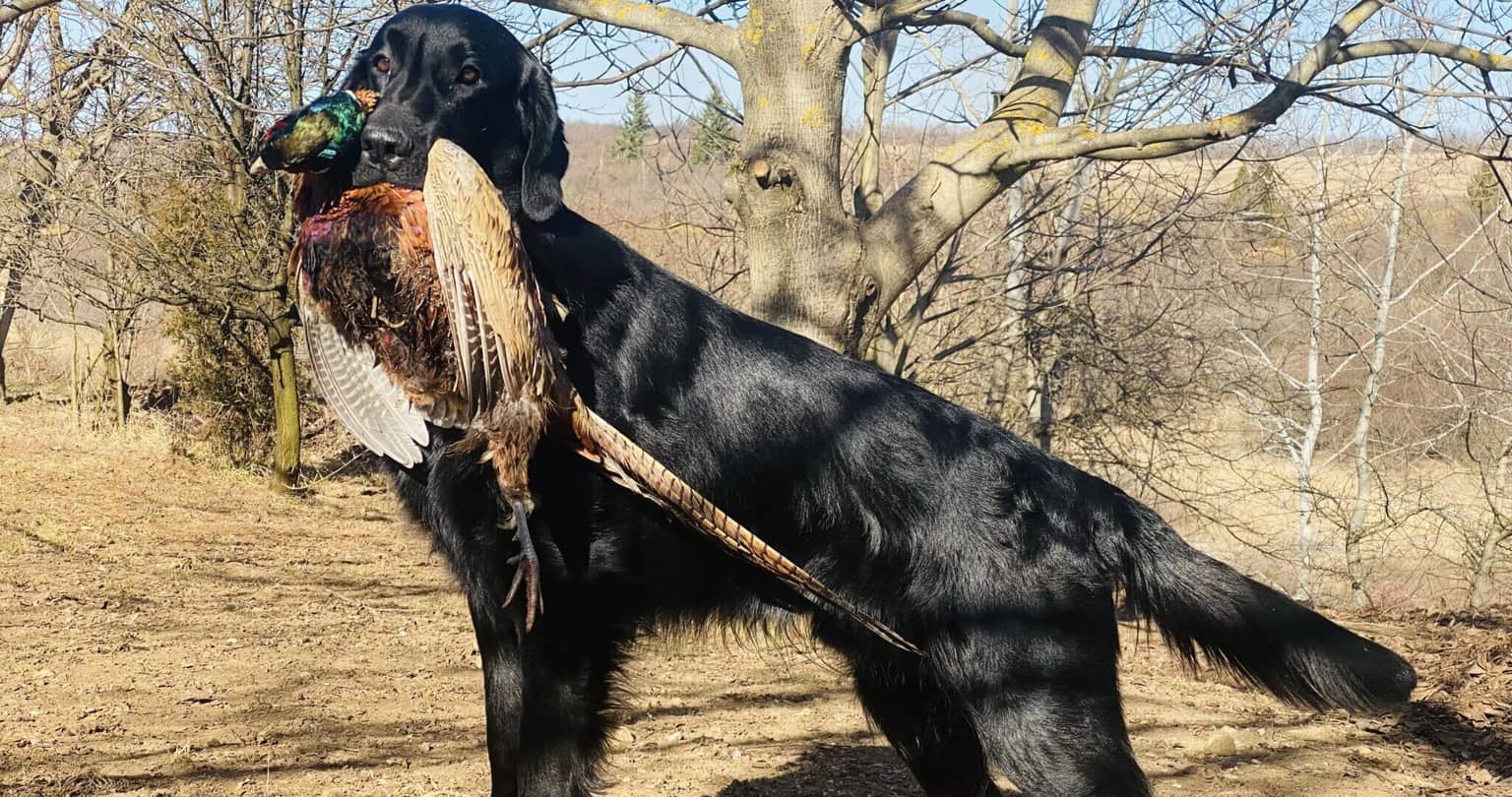
Gundog Group: A fajtaklubokon belül ezen csoportba olyan kutyák tartoznak, amelyeket eredetileg élő vad és/vagy lelőtt és megsebesült vad keresésére képeztek ki. Ez a csoport további négy kategóriára bontható, ezek pedig a Retvieverek, a Spánielek, a sebesült vadat kereső kutyák, valamint a Pointerek és a Szetterek – bár több fajta képes ugyanazt a munkát elvégezni az alcsoportokon belül is. Ezen kutyák a temperamentumuknak köszönhetően ideális és sokoldalú társként élhetnek a családban. A csoportba tartozó fajták megtekinthetők>>.
Hound Group: A fajtaklubokon belül ezen fajtákat eredetileg szintén vadászatra használták, a kiváló szaglásuk illetve a látványos gyorsaságuk alapján. A szaglás alapján dolgozó vadászkutyák közé tartozik a Beagle és a Bloodhound, a látványos gyorsaság alapján vadászó kutyák közé pedig az agarak és a whipetek tartoznak. Sokan közülük szeretik és élvezik is a jelentős mennyiségű testmozgást, ezen kívül méltóságteljes, zárkózott és megbízható társai lehetnek az embereknek. A csoportba tartozó fajták megtekinthetők>>.
Pastoral Group: A fajtaklubokon belül a csoport azon terelő kutyákból áll, akik munkája a szarvasmarha, a juh, a rénszarvas és egyéb hasított talpú állatok tereléséhez kapcsolódik. Ezek a típusú kutyák általában egy időjárásálló dupla rétegű szőrzettel rendelkeznek, mely arra szolgál, hogy megóvja a szélsőséges időjárási körülmények között dolgozó kutyákat az elemektől. A fajták közül néhány mely ebbe a csoportba tartozik, a Colliek családja, az Óangol Juhászkutya illetve a Szamojédek, akik évszázadokon keresztül a rénszarvasterelésben is dolgoznak. A csoportba tartozó fajták megtekinthetők>>.
Terrier Group: A fajtaklubokon belül ezek azon kutyák, amelyeket eredetileg a kártevők ellen tenyésztettek ki és használnak a mai napig. A „Terrier” a latin „Terra” szóból ered, melynek jelentése „Föld”. Ezeket a merész kutyákat szelektíven tenyésztették, hogy csak a nagyon bátor és kemény egyedekkel folytathassák a munkát a rókák, a borzok, a patkányok és a vidrák (csak, hogy néhányukat említsük) ellen a föld felett és a föld alatt egyaránt. A Terrier jellegű kutyák ősidők óta ismertek voltak, a festők és írók e kutyákat már a középkorban is előszeretettel ábrázolták festményeiken és történetekben beszámolva a munkájukról. A csoportba tartozó fajták megtekinthetők>>.
Toy Group: A fajtaklubokon belül a Toy fajták kistermetű kutyák illetve ölebek. A Toy fajták egy részét ezen célokra tenyésztették ki, bár néhányan inkább a kis méretük miatt kerültek ebbe a csoportba. E fajtáknak barátságos személyiséggel kell rendelkezniük és figyelmes szeretettel a gazdáik felé. Nekik nincs szükségük sok testmozgásra és közülük néhány igen válogatós az étkezés terén. A csoportba tartozó fajták megtekinthetők>>.
Utility Group: A fajtaklubokon belül ezen csoport különböző fajtákból áll, akiket eredetileg nem sport célokra tenyésztettek, mint például a Bulldogot, a Dalmatát, az Akitát és az Uszkárt. A csoport neve, az „Utility” lényegében azt jelenti, egy célra használható, e tulajdonság miatt a csoport rendkívül vegyes és változatos fajtákból áll. A csoportban a legtöbb fajtát szelektíven egy különleges funkció végrehajtására (amely nem a sport és a munka) tenyésztették ki. A csoport egyes fajtái a legrégebbi dokumentált fajták a világban. A csoportba tartozó fajták megtekinthetők>>.
Working Group: A fajtaklubokon belül a csoportba tartozó kutyákat szelektíven tenyésztették, így lettek jó kereső és mentő kutyák. A munkacsoport vitathatatlanul néhány igen hősies kutyafajtából áll, akik segítői az embereknek az élet számos területén, beleértve a Boxert, a Nagy Dán Dogot és a Szent Bernáthegyit. Ez a csoport igazi specialistákból áll, akik kiválóan teljesítenek a maguk területén. A csoportba tartozó fajták megtekinthetők>>.
A Kennel Club hitvallása
A Kennel Club az Egyesült Királyság legnagyobb szervezete, amely előtérbe helyezi a kutyák jólétét és egészségét. A Club célja, hogy minden lehetséges módon elősegítse a kutyák általános javulásának ösztönzését és e cél eléréséért a Kennel Club csapata keményen dolgozik a háttérben a tenyésztőket a különböző fajták egészséges tenyésztésére inspirálva.
A mai időkben a Kennel Club legfontosabb feladata a kutyák védelmének és általános jólétének előmozdítása. Ennek érdekében az oktatásban különféle érdekes programokkal, valamint beruházásokkal, az egészségügyben pedig kezdeményezésekkel segítik a kutya tulajdonosokat szerte az Egyesült Királyságban.
A Kennel Club elkötelezett a kölyköt vásárlók tanácsadása és oktatása mellett, annak érdekében, hogy az általuk egy felelősségteljes tenyésztőtől vásárolt fajták megfelelő életmódot élhessenek a családokban. A Discover Dogs nevet kapta a Kennel Club azon kezdeményezése, hogyha szereted a kutyákat, de nem tudod eldönteni, hogy milyen fajtát válassz, akkor a Discover Dogs rendezvény az, ahol e problémával kapcsolatosan tanácsokat, válaszokat kaphatsz. A Discover Dogs rendezvény minden év őszén a Londoni Earls Court Kiállítási Központban kerül megrendezésre. Itt megtalálsz közel 200 különböző fajtáról mindent, amit szükséges tudnod. Beszélhetsz hozzáértő tulajdonosokkal és tenyésztőkkel a különböző fajtákról. Első kézből kaphatsz tanácsokat az ápolással, a képzéssel és a fajtával kapcsolatosan. Biztos lehetsz benne, hogy e tanácsok segítségével meg fogod találni magad és családod számára az ideális társat. És természetesen minden kutyát meg lehet ölelgetni a csarnokban.
További információk megtekinthetők a Discover Dogs hivatalos weboldalán>>.
A Kennel Club a Discover Dogs szórakoztató esemény keretein belül minden szempontból segít az embereknek, családoknak megérteni, hogy a felelős állattartók, tulajdonosok egészséges, boldog kutyákkal élhessenek hosszú éveken keresztül.
The Kennel Club hivatalos honlapja megtekinthető>>.
The Kennel Club Facebook oldala megtekinthető>>.
YKC Young Kennel Club honlapja megtekinthető>>.
YKC Young Kennel Club Facebook oldala megtekinthető>>.
Amennyiben tetszett a cikk és hasznosnak véled, kérlek, oszd meg, hogy minél több kutyaszerető emberhez, családhoz eljuthasson! Köszönjük!
Ha kutyakiállító vagy, illetve ha érdeklődsz a kutyakiállítások világa után, ajánlom figyelmedbe a szerző hivatalos honlapját, ahol az elmúlt évek kutyakiállítási naptárjai, a 2020. évi hivatalos MEOESZ kutyakiállítási naptár és az összes 2020. évi MEOESZ kutyakiállítás magyar és angol nyelvű ajánlója a már megszokott formában lesz elérhető!
Keresd Vámosi Ildikó kutyás cikkíró, szerző hivatalos honlapját:
Http://ildikovamosi.hu/
🙂 Köszönöm, ha megtisztelsz a látogatásoddal! 🙂