Hogy is kezdődött az egész…
A Crufts Dog Show Charles Cruft-ról, alapítójáról kapta a nevét. 1876-ban a fiatal Charles nem kívánt a családi ékszer bizniszben dolgozni, ehelyett inkább munkát vállalt James Spratt mellett, aki egy akkor még teljesen újnak számító vállalkozást hozott létre – kutyakekszeket árultak – a londoni Holnbornban.
Charles Cruft ambiciózus fiatalember volt és egy viszonylag rövid, irodában eltöltött szakmai gyakorlat után utazó ügynökként kínálta eladásra a termékeket, így került kapcsolatba nagybirtokosokkal és kennelekkel. Spratt felismerve új pártfogoltja tehetségét és kivételes értékesítési készségeit, Európába küldte Őt. 1878-ban, Cruft itt találkozott francia kutyatenyésztőkkel, akik látva a fiatalember vállalkozói tevékenységét, felkérték Őt, hogy szervezze meg a Párizsi kutyakiállítás promócióját.
Charles 1886-ban visszatért Angliába, hogy megszervezze a Terrier Klubkiállítást a Royal Aquariumban, a Londoni Westminsterben. Már ekkor nyilvánvalóvá vált, hogy Charles Cruft legnagyobb szenvedélye a kutyakiállítások szervezése és lebonyolítása. Végül az első Crufts showt 1891-ben rendezték és a kiállítás helyszínéül Islingtonban lefoglalták a „Royal Agricultural Hall”- t. Az első kiállítás óta a Crufts folyamatosan fejlődik és nőttön-nő.

A Crufts kutyakiállítás mára már az egyik legnagyobb kutyás esemény a világban. Ez már nem pusztán csak egy kiállítás, a Crufts minden szempontból a kutyáknak az életünkben betöltött szerepét ünnepli.
A Viktoriánus időkben – amikor Charles Cruft létrehozta és első ízben megrendezte a showt – ezt még nem lehetett volna ily módon elképzelni. Ez akkoriban még egy egészen más esemény volt. Charles Cruft abban az időben egy nagy showman volt és már akkor is biztosan sokan élvezték az általa létrehozott eseményt, amely a mai időkben már minden kutya szerető naptárába előre beírva ott szerepel.
A 19. század végén a Crufts nevezések száma már elérte a több mint 3000 – es nagyságrendet. Az 1930-ban megtartott sikeres Crufts Dog Show után, a Kennel Club akkori elnöke kijelentette, hogy „Mr. Cruft a kutyavilág Napóleonja”. A show népszerűsége tovább folytatódott, évente egyre csak nőtt. Charles Cruft 1938-ban meghalt és a showt az elkövetkezendő 4 évben özvegye vitte tovább. Négy év után Emma Cruft nem vállalta a show további megszervezését, mivel a magas igények miatt a szervezőmunka nagyon sok idejét és energiáját vette volna el. Annak érdekében, hogy a Crufts Dog Show megmaradhasson és megőrizhesse hírnevét (és persze a férje munkáját is), az özvegy teljes egészében eladta a Show rendezési jogát a Kennel Clubnak.
A Crufts nem nyílt verseny, minden országban évente rendezett Crufts Qualifikációs versenyen nyerhető el a jog arra, hogy valamely kutya ezen a neves kiállításon megmérettethessen. Valamint a saját minősítési rendszerükben a kutyák qualifikálják magukat az előző évi eredményeik után (a top 3 hely megszerzése a saját osztályukban), amiről Challenge tanúsítványokat kapnak.
A kutyák hierarchikus módon versenyeznek a Crufts Dog Showban. Először a saját fajtájukban mérettetnek meg. Ez az alábbi osztályokban lehetséges: Veteran, Special Puppy, Special Junior, Yearling, Post Graduate, Mid. Limit, Limit and Open. A különböző fajtákon belül a kan és szuka osztálygyőzteseket összevetik és így a két legszebb kapja a CC. (Challange tanúsítványt). A Két CC. győztest aztán újból összevetik és közülük kerül ki a Best Of Breed, a Fajtagyőztes. A képzett bírák a biztosíték arra, hogy csak az egészséges kutyák nyerhetnek, ami viszont az egészséges kutyák tenyésztését ösztönzi. De az esemény ezen kívül már sokkal többről szól.
Crufts 2012 Gamekeeper classes:
Crufts 2013 Gamekeeper finalist:
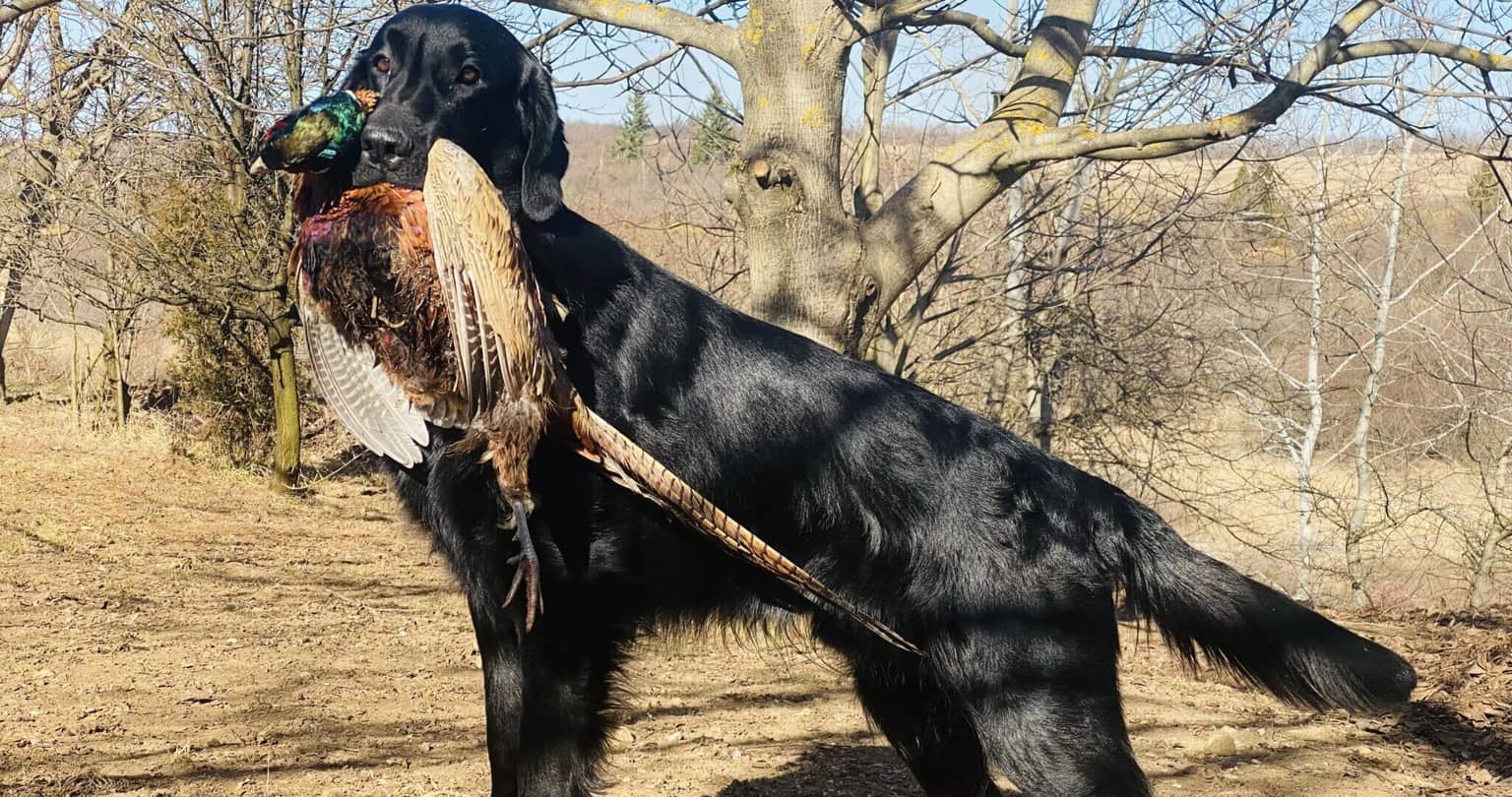
A Crufts végső soron minden kutya ünnepe. Ünnepli a munkakutyákat, akik elég fittek és egészségesek ahhoz, hogy végrehajtsák azon feladatokat, amelyekre eredetileg kitenyésztették őket, úgy, mint, a „Gamekeeper” osztályokban is láthatjuk, vagy például a rendőrkutya csapat operatív és humanitárius tevékenységéért évenként odaítélt díja is mutatja és a hős kutyák köszöntése a „Friends for Life” (barátok élethossziglan) versenyében. A mentő kutyákat ünnepeli a mentő kutya „Agility” versenyben valamint a kutyák gyorsaságát és mozgékonyságát az egyre népszerűbb „Flyball” és „Heelwork Music” versenyeken.
Crufts 2013 Flyball Team Final:
Crufts 2013 Heelwork Music International Winner:
A Crufts Dog Show további versenyei:
Az Agility verseny, ami egy nagyszerű sport, ahol a kutyák különböző akadályokon át egy időfutamon keresztül versenyeznek illetve manővereznek a tulajdonosok irányításával. A hibákat plusz idő hozzáadásával büntetik. A kutyák qualifikálják magukat az előző évi verseny eredményeik alapján a showra az egyéni vagy csapatversenyben. Bár a kutyák és tulajdonosaik nagyobbrészt Angliából, Walesből és Skóciából érkeznek, a verseny mégis nemzetközi.
Az Obedience (engedelmességi) verseny a szokásoknak megfelelően az Obedience Arénában kerül megrendezésre. Azon kutyák qualifikálják magukat, akik a Dog és Bitch UK Obedience versenyben illetve az UK Inter-Regionális csapatversenyben a csapat legjobbjai lettek, illetve az Obedience Világkupán nyertek.
A Flyball verseny egy váltó stílusú verseny. Csapatonként négy kutya versenyez egymás ellen kiesési formában. Minden kutya négy akadályt ugrik át, majd rálép egy dobozra, ami, ezáltal kiadja a labdát. A kutya ezután visszaviszi a labdát a kiindulópontba, mikor a kutya visszaért, indulhat a következő kutya és ez így megy folyamatosan, míg az összes kutya be nem fejezi a futamot. A csapatok az előző évi eredményeik alapján qualifikálják magukat a döntőbe.
A Crufts Dog Show következő érdekfeszítő versenye a szabadstílusú zenei verseny, más néven „Heelwork Music”. A kutyának be kell mutatnia a tanított parancsok megértését és tudását. Mindazonáltal így belefoglalja az engedelmességi képességeit egy koreografált gyakorlaton belülre, amit a felvezető egy kiválasztott zenére kidolgozott. A tréning azzal jár, hogy a különböző lépések és pózok egy sorozatát kell megtanítani a kutyának.
A Young Kennel Club, az angol Kennel Club ifjúsági tagozata is rendez saját versenyt a saját ringjeikben, ahol a 6 és 24 év közötti gyerekek illetve fiatalok a kutyáikkal olyan többféle műfajban versenyeznek, mint az „Agility”, az „Obedience”, a „Handling”, a „Heelwork Music” és a „Flyball”. A fiatal handlereknek és kutyáiknak meg kell felelniük a különböző versenyszámokban az előző évi követelményeknek.
A Cruft házigazdája a Junior Handlerek Világkupájának, ahol minden ország legjobb Junior Handlerei versenyeznek. Mivel az import külföldi kutyák esetén meghatározott idejű karantén lép életbe, ezért sok versenytársnak kell kölcsön kutyát kérnie a brit show rajongóitól.
Ahogy a Kennel Club is nyilvántartja a keresztezett kutyákat, a Crufts is otthon ad e kutyáknak számos versenyében. Elsősorban az „Agility”, az „Obedience” és a „Heelwork Music” számokban versenyeznek. A Crufts népszerűsége és a kutyatulajdonosok érdeklődése (akik nem fajtatiszta kutyatulajdonosok) meggyőzte a Kennel Clubot, hogy a Crufts ideje alatt megrendezze az Scruffts versenyeit>>, ahol a keresztezett kutyák bizonyíthatják rátermettségüket és ügyességüket.
A Kennel Club elindította új egészségügyi programját. A különböző fajták standardjait felül kell vizsgálni és a bíróknak csak az egészséges kutyákat kell kiválasztani. A Kennel Club azt is kérte, hogy a kormány bővítse ki a hatáskörét, amely lehetővé tenné, hogy a Klub felléphessen azon tenyésztők ellen, akik az előírt egészségügyi előírásoknak nem felelnek meg.
És természetesen a több száz kereskedelmi standok, ahol mindent megvehet a kutya szerető a saját kutyájának, így ez egy szertelen bevásárlóközpont is egyben!
A Crufts idővonala
1891 – Az első Cruft’s Show a „Royal Agricultural Hall”>> rendezvényközpontban, Islingtonban 2437 nevezett kutyával 36 fajtából.
1918 – 1920 – A Cruft’s Show az I. Világháború idején nem kerül megrendezésre.
1928 – A Best In Show kezdete, első győztese a Primley Sceptre névre hallgató Greyhound volt.
1932 – A Best In Show első női tulajdonosa, Lorna Howe grófnő Bramshaw Bob nevű Labrador Retvieverjével.
1936 – Charles Cruft öt évvel korábban ünnepelte az 50 éves évfordulóját, miközben első alkalommal haladták meg a nevezések a 10.000 – es számot az általa szervezett Show-ra.
1938 – Charles Cruft meghal. Özvegye, Emma Cruft veszi át a show szervezését és megrendezését.
1942 – 1947 – A Cruft’s Show a II. Világháború idején nem kerül megrendezésre.
1948 – Emma Cruft átadja az irányítást, így ebben az évben az első Cruft’s show immár a Kennel Klub égisze alatt kerül megrendezésre. Az Olimpia idején, bizonyíthatóan mind a kiállítók, mind a közönség körében azonnali sikert hozott, 84 különböző fajta került nevezésre, ez kétszer annyi, mint ami az első Cruft’s Show alkalmával volt 1891-ben. Azóta a Cruft’s évről évre nőttön-nő, a mostan időkben már mintegy 200 fajtát neveznek évente.
1950 – A Cruft’s Showt első ízben közvetíti a BBC.
1952 – VI. György Király február 06.-án bekövetkezett halála miatt fennállt a lehetőség, hogy törlik a Cruft’s showt ez évben, de végül a Kennel Club engedélyt kapott annak megrendezésére, a tervezett időpontnál 2 nappal későbbre halasztva azt.
1954 – A villanyszerelők sztrájkja a show törléséhez vezet, valamint a villanyszerelők megtagadták szétbontani a lelátókon az Olympia alatt felépített show elektromos rendszerét és a helyszín ezért nem állt rendelkezésre a Cruft’s kiállítás számára.
1955 – A Cruftson első ízben került megrendezésre az „Obedience Championship” Show. A dolgozó Pásztorkutyákat nevezték erre az engedelmességi versenyre, valamint a keresztezett kutyák is ez évben versenyeztek először a Cruftson. A keresztezett kutyák most már központi részei a kiállításnak, a mozgékonyságuknak köszönhetően számos versenyben vesznek részt.
1961 – A nevezések száma első ízben haladta meg a 15 000-es számot.
1972 – A „Winter of Discontent” (téli elégedetlenség) mellet zajlik a Cruft’s egy visszafogott hangulatvilágítással és egy rövidített katalógussal a 3 napos munkahét miatt. Az egyik kommentátor azt mondja: „Két napig minden látogató képes volt elfelejteni a világ bajait.”
1974 – A Cruft’s szóban változtatást eszközölnek, úgy döntenek, az aposztrófra már nincs szükség.
1979 – A Show a régi helyszínről elköltözik. A növekvő számú nevezések miatt a Show kinövi a régi helyszínt. Az új helyszín az Earls Court Kiállítási Központ>>.
1980 – Az első hivatalos Agility verseny a Cruftson – ezzel a lépéssel a verseny egy új atmoszférába lép át.
1982 – A show ettől az évtől kezdve 3 napossá lép elő, hogy a növekvő számú nevezésekhez igazodhasson.
1985 – A Kennel Club elindítja Junior Szervezetét. A Szervezet neve Young Kennel Klub>>, rövidítve YKC. A Young Kennel Klub versenyei fontos részét képezik a mai Crufts Shownak.
1987 – A Show 4 naposra bővül, teret adva ezzel még több kutyának és nézőnek.
1988 – Több mint 110 000 ember a Cruftson, így ezzel nemcsak a legnagyobb kiállítássá növi ki magát, hanem, ezáltal a legnépszerűbb Show is már, amit az Earls Court Kiállítási Központban tartanak.
1990 – A „Flyball” első ízben a Cruftson.
1991 – A Crufts Centenáriumi Show immár új helyszínen került megrendezésre, a Birminghami Nemzeti Kiállítási Centrumban – a Show ez évben először költözött el Londonból.
1994 – A „Discover Dogs” bevezetésre került a Crufts területén. A Kennel Klub ezzel elkötelezettségre ösztönzi a leendő kutyatulajdonosokat, így teszi lehetővé a Cruftson a kutya szerető látogatóknak, családoknak, hogy többet megtudjanak a különböző fajtákról és így az életmódjuknak megfelelő kutyafajtát tudják kiválasztani maguk mellé társnak. Discover Dogs>>.
2000 – A Mentő kutyák Agility versenyének bevezetése a kiállításon. A mentő kutyák versenye ragyogó szórakozás és egy gyors tempójú bemutató.
2001 – A Crufts elköltözött a márciustól májusig tartó száj- és körömfájás betegség miatt. A Nemzetközi Agility verseny első alkalommal kerül megrendezésre a Crufts Shown.
2004 – A népszerű verseny, a „Friends for Life” (barátok élethossziglan) versenye először jelent meg a Show részeként, akkor még „Hero Dogs” (hős kutyák) néven. A népszerű éves verseny biztosítja, hogy az ember legjobb barátja megkapja a bátorságáért járó elismerést, támogatást és az ember barátságát. A „Southern Golden Retviver Display Team” először jelenik meg a Cruftson és ez, azóta is a rendezvény egy részét képezi.
2008 – A Crufts létrehozza a saját Facebook oldalát, aminek most már több mint 118 000 rajongója van.
2009 – Első alkalommal a Crufts online közvetítése az interneten keresztül, ezzel a YouTube lett a legnézettebb csatorna az Egyesült Királyságban. Az egészségügyi zóna bevezetése is megtörténik ebben az évben, tudományos szakértők tájékoztatásokat és tanácsadást tartanak a tenyésztőknek az egészségügyi és tudományos eredményekről. A kiállítási bírák megkapják a jogot arra, hogy eltávolíthassák az egészségtelen kutyákat a ringekből. A kiállítás figyelők jelezhetik a Show állatorvosi felé, mely kutyák egészségtelenek, ha ez bebizonyosodik, azon kutyát akár ki is zárhatják a versenyből.
2012 – Mint egy további biztonsági hálót – ezzel kiegészítve a 2009-ben bevezetett állatorvosi ellenőrzést – a Kennel Club bejelentette, hogy a Best Of Breed győztesek illetve a Champion kutyák abból a 15 fajtából, amelyeknél tendencia, hogy az eltúlzott tulajdonságaik miatt egészségügyi problémákkal küzdhetnek, e fajták BOB illetve Champion kutyáinak – a díjak megerősítése előtt – állatorvosi ellenőrzésen kell átesniük.
Ha kutyakiállító vagy, illetve ha érdeklődsz a kutyakiállítások világa után, ajánlom figyelmedbe a szerző hivatalos honlapját, ahol az elmúlt évek kutyakiállítási naptárjai, a 2020. évi hivatalos MEOESZ kutyakiállítási naptár és az összes 2020. évi MEOESZ kutyakiállítás magyar és angol nyelvű ajánlója a már megszokott formában lesz elérhető!
Keresd Vámosi Ildikó kutyás cikkíró, szerző hivatalos honlapját:
Http://ildikovamosi.hu/
🙂 Köszönöm, ha megtisztelsz a látogatásoddal! 🙂