A különböző kutyafajták fejlődéstörténetet bemutató képes sorozatunkban elsőként a félelmet nem ismerő legősibb fajtával, a tibeti masztiffal foglalkozunk.
Ezek a hatalmas termetű, rendkívül erős és szívós kutyák Hun királyunk, Attila által kerültek be Európába. Belőlük tenyésztették ki a mai molosszer fajtákat, a masztiffokat, a boxert és a bernáthegyit.
E fajta a régi időkben a városokat védve őrkutyaként funkcionált, az örző-védő munka a vérében van, mert kifejezetten erre tenyésztették ki a Himalája lejtőin élő nomádok. Rendkívüli ereje és értelme miatt a mai időkben is megőrizte ősi jellegét, igazi örző-védő munkára alkalmas.
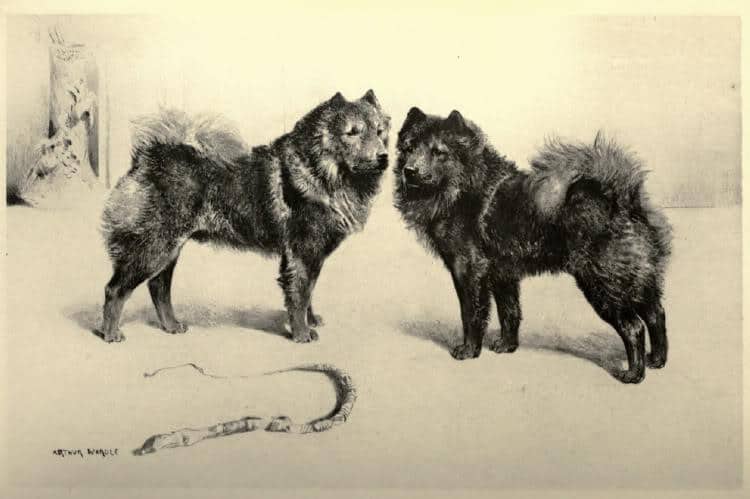
Rendkívül izmos és erős testalkatú kutyák, melyek kettős szőrzettel rendelkeznek, mint például a chow-chow fajta is. Vastag szőrzetét tavasszal és ősszel cseréli le, ezért rendszeres szőrzetápolást igényel.
Nemcsak óriás méretük miatt különlegesek, hanem mély ugatásuk miatt is. A fajta a legnépesebb országban, a mai Kínában státusz szimbólumnak számít, így meglehetősen ritka látvány az utcákon.
A fajtánál fontos már korai életkortól kezdve a megfelelő szocializáció, mely alkalmazásával családi kutyaként is remek társ lehet családokban. A tibeti masztiff szereti és védi gazdáit, viszont idegenekkel szemben bizalmatlan. A fajta a legjobban a hűvös, száraz környezetet kedveli.
További információk a tibeti masztiff fajtáról megtekinthetők>>.
Az archív fotók, rajzok, festmények hűen szemléltetik a fajta változásait az 1700-as évek közepétől kezdődően az 1900-as évek végéig.
-

- 1930 Tibeti
-
- 1929 Szecsuán tartományban készült fotó Tibeti masztiff
-
- 1950 Tangri Tibeti masztiff gazdájával
-
- 1920 Tibeti Masztiff az 1920-as évekből
-
- 1940 Dsama Tibeti
-
- 1895 Dsamee nevű Tibeti masztiff
-
- 1750 tibeti masztiff by Giuseppe Castiglione
-
- 1895 D Samu Tibeti masztiff, aki 61 cm és 45 kg
-
- 1958 Tibeti Masztiffok
-
- 1897 Tibeti Masztiff