
The number of dog owners increased significantly during the virus period, and by the summer of 2021 every second Hungarian household became a dog owner, so the number of dogs in Hungary may now well exceed 3 million – the University of Veterinary Medicine informed MTI on Wednesday.
Last year, the proportion of Hungarian households owning dogs rose to 50.4 percent; in an earlier representative survey from 2018, this ratio was only 36 percent – this is revealed by a publication presenting the results of the University of Veterinary Medicine’s 2021 national, representative survey investigating dog ownership.
The authors of the study, Szilvia Vetter and Veronika Vizi, researchers at the University's Center for Animal Protection Law, Analysis and Methodology, along with László Ózsvári, a researcher at the University's Department of Forensic Veterinary Science and Economics, present the changes in dog ownership habits in Hungary in the summer of 2021 based on quantitative research and a representative sample. Among other things, they highlight the significantly increased proportion of dog owning households, changes in the demographic characteristics of dog owners, and the current aspects of dog selection and ownership.
The research reveals, among other things, that the number of dogs with owners exceeds 2.8 million, and adding the stray animals, the number of dogs in Hungary may surpass 3 million, which represents a larger number than ever before. Most people, 33.4 percent of respondents, own one dog, while only 1 percent own more than three dogs.
Women (56.3 percent) own dogs in greater proportion; among the age groups, those over 60 stand out somewhat, with 23.3 percent of them being dog owners. According to the study, in 2018 more men than women owned dogs, and ownership was most characteristic of those in their forties.
The study finds that the proportion of dogs adopted from shelters and dog pounds is relatively low at 14.5 percent.
The majority of owners did not acquire their animals through a deliberate selection process but adopted them from acquaintances (21.7 percent), 22.1 percent received theirs as a gift, 7.4 percent took in dogs from the street, and only 2 percent inherited their dog.
Many come to acquire their dog by chance, without assessing its real needs, which can later be a source of problems for both humans and animal protection.
The majority of owners feel that they are rather (33.8%) or fully (46.5%) aware of their legal obligations.
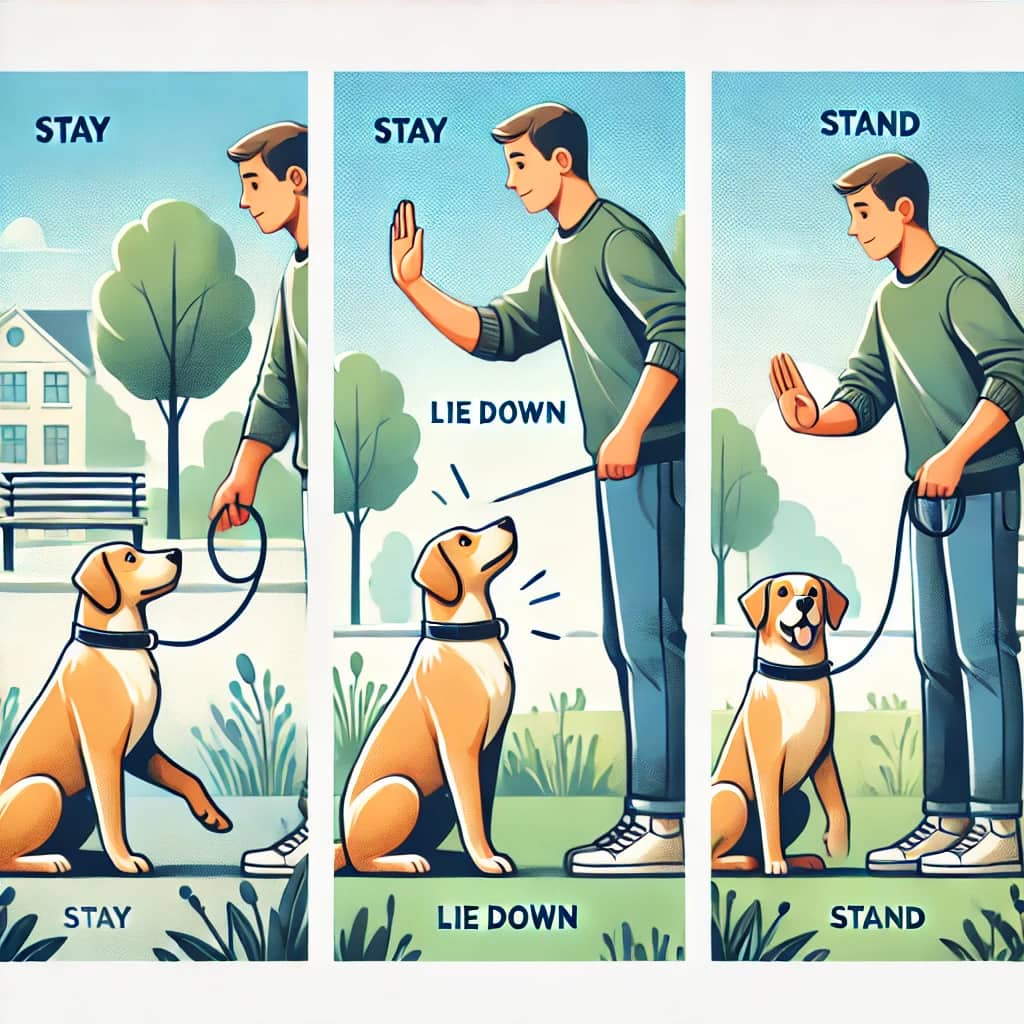
The majority of respondents are rather satisfied with their dog's obedience, but 84.7 percent neither take their dogs to school nor to training, nor do they plan to.
The survey showed that 98.3 percent of dog owners agree that the foundations of responsible pet ownership should be learned already in childhood, and 95.2 percent of dog owners believe that the state (Ministry of Agriculture) should support the national neutering campaign.
According to the University of Veterinary Medicine’s information, the large number of animals also indicates a growing need for appropriately trained professionals working with animals, including veterinarians, as well as products that support dog ownership and dog-friendly services.
The university’s research was carried out within the framework of the Ministry of Agriculture and NÉBIH’s Dog License program – the statement says.
Source: MTI
Featured image: kim_hester photo on Pixabay.