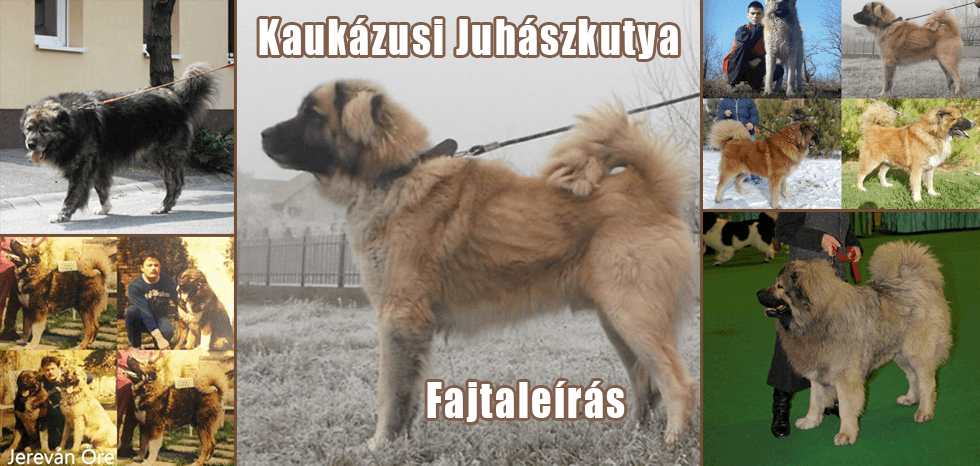
Ez a fajtaismertetés a Kaukázusi Juhászkutya miatt íródott természetesen csak a jobbító szándék reményében!
Általános megjelenés: Erőteljes, illetve durván erőteljes megjelenés, erős, masszív csontozat és izomzat. A bőr elasztikus.
Nem kívánatos: A kissé könnyebb vagy szivacsos testfelépítés.
Hiba: Túl könnyű illetve ernyedt test.
Csontozat indexe: A marmagasság osztva a boka kerületével, kanoknál 21-22, szukáknál 20-22 arányban.
Formaindex: A testhossz és a marmagasság viszonyszáma: 102-108.
Nem kívánatos: Enyhe eltérések a megadott adatoktól.
Hiba: Erős eltérések a megadott adatoktól.
Marmagasság: Kanoknál nem kevesebb, mint 65 cm, Szukáknál nem kevesebb mint 62 cm. és mindenképpen arányos testfelépítéssel.
Hiba: A megadott adatok alatti méret.
Magatartás: Erős, kiegyensúlyozott, nyugodt magatartás, jó védelmi reakcióval. Keménysége bizalmatlansága az idegenek iránt tipikus.
Nem kívánatos: Restség és idegenekkel szembeni bizalom.
Hiba: Félénk, gyáva magatartás vagy erős flegmatikusság, gyengeség.
Nemi jelleg: A kanok erősebbek, masszívabbak, mint a szukák. A szukák könnyebb és kisebb testfelépítésűek.
Nem kívánatos: A kanos jellegű szuka, vagy szukás kan.
Hiba: Félheréjűség vagy rejtett heréjűség.
Szőrzet: Egyszerű, durva, erős világosabb aljszőrzet. A fejen és a végtagok mellső részén a szőr szorosan simuló és rövidebb. A szőrzet szerint 3 típust különböztetünk meg:
a.) Hosszúszőrű, hosszabb fedőszőrrel. A hosszú szőrzet a nyakon sörényt alkot, a hátsó végtagokon hosszabb (nadrág és zászló). A hosszú szőr a farkat minden oldalról jól borítja, így sűrű benyomást kelt.
b.) Rövid szőrnél – sűrű, eléggé rövid szőrzet, sörény, nadrág és zászló nélkül.
c.) Egy átmeneti variáció – hosszabb szőr, sörény nélkül, nadrág és lompos farok.
Hiba: Lágy, hullámos fedőszőr, aljszőrzet nélkül.
Szín: Különböző szürkék, többnyire világos egészen a rozsdaszínig, sőt rozsda, szalmasárga, fehér, földszínű, csíkozott, de lehet foltos, pöttyözött.
Hiba: Fekete, feketefoltos és a barnának a különböző variációi.
Fej: Masszív, széles koponyával és hangsúlyozott pofacsontokkal. Széles, lapos homlok, amely egy enyhe redővel feleződik. Az átmenet a fejtetőtől az arcorri részig enyhén domborodó. Az arcorri rész kisebb, mint a koponya, enyhén keskenyedő, erős zárt, száraz ajakkal. Az orrtükör erős, széles és fekete. Fehér és világos egyedeknél barna orrtükör is megengedett.
Nem kívánatos: Nem elég masszív és széles fej. Túl boltozatos, túl meredek vagy lapos stopvonal. Rövid vagy túl hosszú fang, laza, lógó ajkak.
Hiba: Könnyed, keskeny fej, elhegyesedő arcorri rész, vagy aránytalan testépítés, pisze orr.
Fülek: Lógó, magasan tűzött vagy rövidre vágott.
Nem kívánatos: Mélyen tűzött vagy vágatlan fülek.
Szemek: Mandulavágású, középnagy mélyen ülő, sötét szemek.
Nem kívánatos: Világos, enyhén laza szemhéjak vagy hályog.
Hiba: Kétszínű szem, vagy lógó szemhéj, mely a kötőhártyát is szabaddá teszi.
Harapás: Jól fejlett, erős, fehér fogak, ollós harapás.
Nem kívánatos: Nem az életkornak megfelelő kopás, letört fogak, melyek gátolják a harapást. 2P1 vagy 1P1 és P2 hiánya. Enyhén sárgás fogak.
Hiba: Kicsi, rosszul fejlett fogak. Nem egy vonalban fekvő metszőfogak. Metszőfogak vagy tépőfog hiánya. P3, P4-es vagy M fogak hiánya, zománc hiánya.
Nyak: Rövid, nagyon erős. Nem magasan hordott kb. 30-40 fokos a hátvonalhoz.
Nem kívánatos: Túl hosszú, gyenge nyak.
Mellkas: Széles, mély, kissé ívelt. Az alsóvonal könyék magasságban vagy attól mélyebb.
Nem kívánatos: Lapos, nem elég mély mellkas.
Hiba: Szűk, lapos, rosszul fejlett mellkas.
Has: Enyhén felhúzott.
Nem kívánatos: Túlságosan felhúzott vagy szalma has.
Mar: Széles, jól izmolt, a hátvonaltól jól elhatárolt.
Nem kívánatos: Gyengén kialakított, a hátvonaltól nem eléggé elhatárolt.
Hát: Egyenes, széles, jól izmolt.
Ágyék: Rövid, széles, kissé boltozatos.
Nem kívánatos: Kissé hosszú, egyenes vagy erősen boltozatos ágyék.
Hiba: Hosszú, lógó vagy púpos ágyék.
Far: Széles, jól izmolt, szinte egyenes.
Nem kívánatos: Nem eléggé izmolt, csapott far.
Hiba: Keskeny, rövid vagy igen erősen csapott far.
Farok: Magasan tűzött, nyugalmi állapotban a csánkig érő, gyűrűs illetve horogszerű, kupírozott farok megengedett.
Mellső végtagok: Szemből nézve párhuzamosak, egyenesek. A váll és a felkar kb. 100 fokos szöget alkotnak. Felsőkarok egyenesek, masszívak és félhosszúak. Alsókarok egyenesek, masszívak és mérsékelten hosszúak. A bokák rövidek és masszívak, talajra merőlegesek. A mellső végtagok hossza valamivel több, mint a marmagasság fele, magasság index: 50-54.
Nem kívánatos: Kis eltérés a vállak szögelését illetően, kissé rövidebb vagy hosszabb felsőkarok, kissé kiálló könyökök, járás közben kissé kifelé forduló mancsok, túlfejlett bokák.
Hiba: Egyenes vagy hegyes vállak, görbe vagy keskeny felsőkarok, erősen kifelé forduló könyökök, nagyon gyenge bokák, járás közben erősen kifelé forduló mancsok, görbe lábak.
Hátsó végtagok: Hátulról nézve párhuzamosak és egyenesek, oldalról nézve a térdizület kissé nyújtott, rövid alsó lábszár, erős csánkok, szélesek és kissé nyújtottak. A lábközép masszív, a talajra merőleges. Álló helyzetben a hátsó végtagok nem hátratámasztottak. Egy merőleges vonalat alkot az ülőgumótól a csánkon keresztül a lábközépig.
Nem kívánatos: Nem egészen párhuzamos végtagok. Enyhén X vagy O lábak. Talajon szűk vagy tág állás. Túl lapos illetve túl magas hátsórész.
Hiba: Eltérés a párhuzamosságtól. Egyenes hátsórész, kardállás. Túl magas hátsórész.
Mancsok: Zárt, ovális, boltozatos mancsok.
Nem kívánatos: Puha, túlnyújtott mancsok és a farkaskörmök.
Hiba: Nyitott ujjak, lapos mancsok.
Mozgás: Szabad, általában kiegyensúlyozott nyugodt járás. Típusos a rövid ügetés, mely egy nehézkes galoppba mehet át. Mozgásban párhuzamos, a mellső végtagok közben a középvonal felé tendálnak. Úgy a mellső, mint a hátsó végtagok ízületei könnyedén nyújtottak. A hát és az ágyék rugalmas. Ügetésnél a mar és a far egy vonalban kell, hogy maradjon.
Nem kívánatos: Kifelé vagy befelé lépkedés. Nem elég nyújtott ízületek. Nem eléggé simulékony rugózása a hátnak és az ágyéknak. Ügetésnél felhúzott far. Könnyed ágyéklóbálás.
Hiba: Gátolt, nehézkes járás. Ügetésnél a marnál magasabban hordott far. Ügetésnél az ágyék egyenetlen fel-le táncolása.
Kizáró okok: Az ollóstól eltérő minden más harapás. Félheréjűség vagy rejtett heréjűség. Metsző vagy tépő fog hiánya. P3 vagy P4-es foghiány vagy bármely moláris fog hiánya.
Megjegyzés: A kanoknak a herezacskóban jól fejlett herékkel kell rendelkezniük.
Származása
A kaukázusi juhászkutya ősi hazája Közép-Ázsia, Kaukázus, Azerbajdzsán, Örményország, Grúzia, Dagesztán, Csecsenföld, Észak-Oszétia és a környező kisebb köztársaságok. Nagyon nagy számban fordul elő Oroszország európai és ázsiai területén, Ukrajnában, Balti államokban, de még Karéliában is.
A kaukázusi juhászkutya, az egyik legősibb fajta. A dog típusú tibeti kutyáktól származik. Talán az összes dog típusúnak az őse a tibeti dog. Fejlődése több ezer éves.
A tibeti dogról, mint a kaukázusi juhász őséről az első hiteles leírás ie. 1125-ből származik.
A tibeti dog széles masszív, nagyméretű, szabályos felépítésű, erős csontozatú. Széles pofával és agykoponyával rendelkezett. Színe fekete, szürke, vörös és ezek kombinációi. Szőre hosszú és durva, bár előfordul rövidebb szőrű egyed is.
Ie. az első században Tigran, örmény cár alkalmazta először háborúban a kaukázusi juhász ősét, a római régiók ellen.
Az orosz-török háborúban a török hadsereg nemcsak várak, táborok őrzésére használta a fajtát, hanem a kaukázusi betöltötte a török harcos szerepét is: összecsapás előtt előre küldték, hogy zavart, bizonytalanságot keltsen és nagy támadó kedvükkel ritkítsák az ellenség sorait. Észak-Oszétia területén még ma is találkozhatunk természetes környezetben, vadon élő kaukázusi juhászkutyával.
Az utóbbi időben ugrásszerűen nő az érdeklődés a kaukázusi juhászkutya iránt, nemcsak Európában, hanem az amerikai kinológusok és kutyatenyésztők körében is. Elsősorban megbízhatósága, nagy munkabírása és időjárási viszonyokhoz való maximális alkalmazkodása miatt népszerű.
A kaukázusi juhásznak több típusa létezik, az eltérő földrajzi adottságok és a különböző klímájú területe között. A népi tradíciók is nagyban hozzájárultak a típusok alakulásában, fejlődésében, szelektálásában. A legfontosabb az volt, hogy milyen munkára kellett és milyen időjárási és életkörülmények között használták a fajtát. Miután nagy területen tenyészették jelentősen eltérő típusok alakultak ki. Nagyon szigorú szelekción ment át a fajta és csak a legrátermettebb, a legéletképesebbek, a betegségekkel szemben a legellenállóbbak maradhattak meg. A helyi körülmények között tökéletesen meg kellett védeni a pásztort, a nyájat és persze saját magát. Ha bármelyik dolgát nem tudta megoldani tökéletesen vagy elpusztult, vagy a gazdája likvidálta. Csak a legmegfelelőbb példányok és azok utódai maradhattak meg a mának. Testi ereje, impozáns megjelenése is ezt mutatja. Csak a gazdáját és annak családját fogadja el, értük és a rábízott terület védelméért az életét hajlandó feláldozni. Rendkívül önálló, őrző-védő feladatra oktatni nem kell. Kiváló idegzetű, kiegyensúlyozott. A családban élő gyerekeknek még olyan dolgokat is megenged, amit még a gazdájának sem. Teljesen önálló! Minden pillanatban a legmegfelelőbb döntést hozza, és azt hajtja végre!
A kaukázusi juhász bátor, büszke, magabiztos és akaratos, rendkívül hűséges. Félelmet nem ismer. Meg kell említeni az idegenekkel szembeni vele született bizalmatlanságát, nagy támadó kedvét. Nagyon okos, mindent azonnal megért, kissé makacs.
Típusai:
Sztyeppi: A száraz, és meleg klíma miatt e típusnak, nagyméretűnek, erősnek, de ezzel együtt könnyű felépítésűnek kell lennie. Szőre rövid, színe vörös és világosszürke vagy ezek kombinációi, de mindenképpen világos árnyalatú. Rendkívül gyors mozgású, nagyon jól ugrik és mászik.

Sztyeppi típus
A hegyekben más típus alakult ki: erős felépítésű, masszív, vastag csontozatú, nagy széles fej, hosszú szőr, jó aljszőrzettel, jó szőrminőség. Végtagok rövidebbek, a front nagyon széles, a mellkas körátmérő nagy, a testhossz nagyobb.
Grúz: Erős, masszív alkati megjelenés, szabályos fejtípus, egyszínű, hosszú szőr. A legtípusosabb kaukázusival értelemszerűen a Grúz Köztársaságban találkozhatunk. Ez a típus szép és elegáns.
Grúz típus
Azerbajdzsáni: Két típusa van: az egyik a grúz típushoz, a másik a sztyeppihez hasonlít. A színe vörös fekete maszkkal, de előfordul foltos is.
Örmény: Hasonlít a grúzhoz, de kisebb méretű annál, vékonyabb csontozatú. Színe szürke, tigriscsíkos, foltos, jó minőségű hosszú szőr.
Örmény típus
Dagesztáni: Nagyon erős felépítés, szabályos, típusos fej, jó testarányok, szigorú megjelenés és viselkedés. Színe heterogén, szőre rövid vagy középhosszú.
Dagesztáni típus
Garbán: Masszív felépítés, nem típusos fej, nagyon rövid orr. Színe vörös, maszk nélkül, rövid szőr. Rendkívül agresszív, csak hozzáértők tudják kezelni. Törökországból került a Kaukázusba.
Kazbek: Erős, harmonikus felépítés, fogak nagyok fehérek. Színe tigriscsíkos vagy foltos, jó szőrminőség.
Gerget: Nagy felépítés, kissé hosszú arcorri rész, fogak nagyok, fehérek. Színe szürke, vörös foltos fehér gallérral. Könnyen kezelhető, nem agresszív.
Ahalic: (keverék típus): Gerget, Garbán, kazbek típusokból, nagy felépítés, hosszú szőr, színe fehér vagy szalmaszínű, világos szemekkel. A II. világháborúban nagymértékben csökkent az állomány. A száműzött emberek magukkal vitték kutyáikat, majd visszatelepedéskor már a közép-ázsiaival keresztezett egyedeket is vittek haza.
Van egy kifejezés: aburigen, azt jelenti, hogy az ember nem vesz részt a tenyésztésben, hanem a természetben párosodnak egymással, kifejezetten a legjobb egyedek. Rendkívüli szívósság, igénytelenség, nagyon jó alkalmazkodás az élet és a klíma körülményeihez. Az aburigen kutyák nem kötődnek az emberhez, kiképzésük nehéz.
Átmeneti fajta: Az aburigen és a tudatosan kitenyésztett típusok között helyezkedik el. Megjelenésében és fejlődésében már jelentős szerepet játszott a tudatos szelekció, és az életkörülmények javítása (tartási körülmény, élelem). Jellemző rájuk a heterogén állapot. Az egyik tudatos szelekció eredmény, a másik továbbra is aburigen.
A kaukázusi juhász kiegyensúlyozott, nyugodt idegrendszerű. megfelelő határozott védelmi reakcióval. A határozott, magabiztos, büszke, bátor kutya mindig fennhordja a farkát, amelyik nem így hordja, az a fajta szégyene.
Nevelés
A kiskutya neveléséhez a legfontosabb a szocializáció.
Továbbá: játék, simogatás, kedvesség, nagy szeretet, határozott következetesség. Semmi erőszak a tanításban, nevelésben, csak következetes végrehajtás!
A kaukázusi juhászkutya gyerek és családszerető! Családtagként kell kezelni és nem kutyaként. Ha a gazdája megengedi, szeret a saját feje után menni, ami nem szerencsés. Ha erélytelen a gazda a kaukázusi falkavezér akar lenni, ezért gyenge jellemű, ingatag, határozatlan ember kaukázusi juhászt ne vegyen!
Felnőtt kaukázusit csak hozzáértő, a fajta iránt elkötelezett ember vegyen. Olyan, aki az erejét, hangját fitogtatja a kutyával szemben, ne ezt a fajtát válassza. Soha nem szabad az egyéniségét letörni, saját helyén ne fegyelmezzük!
Két kant nem szerencsés egy udvarban tartani!
Szólnom kell a fajtában napjainkban fellelhető anomáliákról is. Sajnos a kaukázusi fajtába jó páran belekeverik a leonbergi, a moszkvai őrkutya, a pireneusi hegyikutya és a tibeti masztiff fajtát. A kiállításokon és tenyészszemléken nincsenek kiszűrve ezen egyedek a fajtából.
Mielőtt kiskutyát választ feltétlenül nézze meg a szülők munkáját. Utóda ugyanúgy fog viselkedni, mint szülei. Fiatal korban kell megtanítani mindenre, amit felnőttként elvárunk Tőle, így lesz ebből a büszke, konok és makacs kutyából egy melegszívű családtag, így lesz a család minden tagja számára könnyen kezelhető!
További anomáliák:
A kaukázusi fejnek típusosnak kell lenni és nem „csak nagy fejnek”!
A fején és a nyakán lévő nagy szőr megtévesztő lehet, hogy esetleg nagy koponyacsonttal rendelkezik! Ez nem minden esetben van így.
A legfontosabb méret a fejnél az orra hegyétől a homlokon át a tarkó végéig az első nyaki csigolya kezdetéig.
Ha ezt háromharmadnak vesszük, abból az egyharmad résznek az arcorri résznek (fangnak) kell lennie!
Ha az orr nagyobb, mint egyharmad nem olyan nagy probléma, mint amikor kisebb mint az egyharmad!
A rövid orrú kutya gyengébb szaglással rendelkezik, nagy melegben látni, hogy alig kap levegőt! Ebben az esetben semmilyen őrzési munka nem érdekli csak, hogy el tudjon bújni a nagy hőség elől! Nem utolsó sorban, az őshazában, ahol verekedni kell munkája során, nem tud jól fogni a rövid orrával és ez számára a biztos halál!
A fej közepén, az orrtól egész a nyakig hátra, egy ároknak kell lennie a koponyacsontban!
A homloknak, laposnak (hegyesszögűnek) kell lennie! A meredek homlok „idegen fajtára” enged következtetni! Általában a meredek homlokkal sűrűbben előfordul az alsó nagyon lógós szájszél, a nagyon hosszan lecsüngő felső szájszéllel együtt!
A korrekt fejű kutyának illik feszes alsó felső szájszéllel rendelkezni!
Nem kívánatos fej
Kívánatos fej
A lecsüngő laza szájszél a Bernáthegyi és Masztiffos beütésre enged következtetni!
A szemek hibáinál a befelé forduló szemhéj, ami nagyon súlyos hiba ilyenkor, a szemhéjon lévő hegyes szőrszálak folyamatosan szúrják a szemgolyót, ami nagy fájdalommal jár az állatnak! Kisebb probléma a lógó szemhéj, ilyenkor a por, a kosz bemegy a szemgolyóra! Mindkét esetben fájdalom, gyulladás, gennyesedés, könnyezés az eredmény! Ezek az állapotok, csak műtéttel szüntethetők meg, de minden esetben öröklődik, az utódok legalább 80%- nál!
A „harapási hiba” és a foghiány szinte minden esetben rokontenyésztésre utaló jelek! Hogy ez a hiba ne legyen csak teljesen idegen vérvonallal szabad próbálkozni.
A koponyának majdnem egyenesnek kell látszani szemből, a domború koponya nem kaukázusira enged következtetni!
A füleknek magasan tűzöttnek kell lenniük, amennyiben nem ilyen akkor a Sarplaninacra emlékeztet.
Amennyiben a szemekkel egy magasságban helyezkednek el a fülek biztos, hogy nem kaukázusi fejről beszélünk!
Az első lábak: a lábszár és a mancs 90°-os szöget kell, hogy bezárjon, ha nem ilyen és van egy 45°-os átmenet, az laza ízületre és ínszalagokra vezethető vissza. Ez általában a kívánatosnál nagyobb testű vastag és nehézkes kaukázusinál gyakori!
Hátsó lábak: Súlyos hiba a meredek és „karó” állás! Az ilyen kutya nem tud az első lába nyomába (mancs nyomatába) a hátsó mancsával belelépni (rövidet tud csak lépni a hátsó lábával vagyis tipeg), az ilyen kutya ügetés, futás közben gyorsan fárad, nem kitartó a munkában, mivelhogy (Juhászkutya)! A hátsó lába a térdétől (csánktól) 30°-os szöget kell bezárnia és a mancsnak a hátsó hasi rész alatt kell lenni! Az első és hátsó szögelést csak akkor lehet jónak elfogadni, ha ezeknek a feltételeknek megfelelnek a lábak! A kaukázusi háta egyenes kell, hogy legyen, a hosszabb testű kutyáknak hajlott „nyerges a háta”, e miatt nem tud a hátsó lábával belelépni az első nyomába, ezért fárad hamar és nem kitartó! A kutya farka térdig (csánkig) kell érjen, de egy határozott kaukázusi mindig fenntartja a farkát! A fenntartott farok az idegrendszert, a viselkedést, a magabiztosságot, a határozottságot mutatja! Az ilyen kaukázusi tudja magáról ,hogy mire képes, és pláne ha kutyák között van, még jobban mutatja a határozottságát!
Kívánatos testállás! Nem a gazdája állítja be!
A legnagyobb probléma a félős, és a labilis idegrendszerű kutyával van! Állandóan bizalmatlan, még ha a gazdája közelít is felé, morog mindenre vagy még támad is! Örökletes genetikai hiba!
Nem kívánatos testállás!
A kaukázusi kiképzése határozottságot, kitartást követel különben nem lesz a várt eredmény! A kiképzés során semmiféle erőszak nem alkalmazható, mert a kaukázusi annyira konok és makacs, hogy nem fogjuk elérni a kívánt célt!
Az őrző védő munkában nagyon nagy határozottságot és magabiztosságot kell mutatnia a kutyának! A sokat gyakoroltatott őrző védő munka lehet, hogy nagyon jól megy a kutyának, de egy számára ismeretlen élethelyzettel nem biztos, hogy meg tud birkózni! Ezért az őrző védő munkáját mindig genetikailag örökölt képességéhez kell igazítani! Ha nincs ilyen örökölt képesség, a kutya nem biztos, hogy az őrző védő munkát kifogástalanul ellátja! Előfordulhat, hogy egy „csinált kutya” azt a két embert mindig megfogja, vagy morogni fog rá, akivel hetekig gyakoroltak, de minden más embert közömbösen fog kezelni! Egy jó kaukázusi akkor is ellátja 100%-an a rábízott terület védelmét, ha a gazdája nincs a közelében! Egyedül is a legjobb döntést hozza az őrző-védő munkában és soha nem hátrál meg! Nagyon fontos dolog, ha a gazda rászól, hagyja abba az őrző-védő munkát és parancsra mennyen a helyére!
Ha egy idegen ember közel tud menni egy kauhoz, és az nem kezd morogni legalább, vagy flegma az emberrel az genetikai probléma! Nagy valószínűséggel az utódok nagy része ilyen lesz!
A kaukázusi szőrének egyenesnek és durva tapintásúnak kell lennie! Ha nem ilyen a szőr, különösen puha és pihés, akkor ez idegen fajtára utaló jel!
Fontos dolog, hogy még a rövidszőrű egyedeknél is nagyon dús és jó minőségű aljszőrzetnek kell lennie! A göndör, esetleg a hullámos szőr is, nem kaukázusi fajtára emlékeztet!