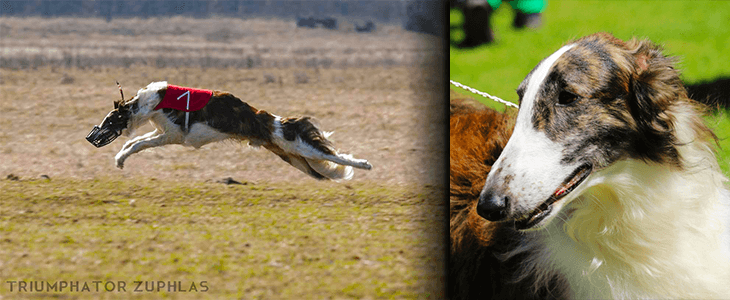
Az Orosz Agár (Barzoj) csaknem 9 évszázadon keresztül folyamatosan előkelő helyet foglalt el hazája, Oroszország történelmében és kultúrájában. A művészek közkedvelt témája volt, számos szobor és festmény készült a fajtáról, amelynek nem csak az eredete, hanem a külleme is arisztokratikus.
A XI. században Anna Iaroslavna – a Kiev-i herceg lánya – miután összeházasodott I. Henrikkel, 3 Barzojt is magával vitt. Olyan hírességek (írók, cárok) mint Puskin, Turgenjev, II. Miklós, Nagy Péter, IV. Iván Vasziljevics és Lev Nyikolajevics Tolsztoj is az Orosz Agarat választották kedvencüknek. 1917-ben Nyikolaj Nyikolajevics nagyherceg és Dimitri Valtsevin megalapították a Persinon Kennelt, amely jelentős szerepet játszott a Barzoj elterjedésében. Számos feljegyzés is bizonyítékul szolgál arra, hogy az orosz arisztokrácia több száz éve foglalkozott ezen elegáns, ugyanakkor erős vadászkutya tenyésztésével.
 A kifejezetten elegáns megjelenése miatt sokan azt feltételezik, hogy „törékeny”, de senki ne ítéljen elhamarkodottan, mert a látszat csal, ez a kecses külső, hosszú szőrzet egy izmos és bátor belsőt takar. A Barzoj nagyon kitartó és önfejű „egygazdás” fajta. A XVIII. században a nemesség közkedvelt programja volt a hajtóvadászat, az Orosz Agarat pedig kifejezetten nyúl-, róka- és farkas vadászatára tenyésztették.
A külföldre, főleg Amerikába, Angliába, Németországba és Franciaországba eljutott egyedek jelentős szerepet játszottak a fajta fennmaradásában, mivel a nép a gyűlölt nemesség agarainak szinte teljes populációját kiirtotta, ami a kihalás szélére sodorta ezt a lenyűgöző fajtát.
Szerencsére mára csaknem minden országban találkozhatunk vele. Egyik különlegessége abban rejlik, hogy „megosztja” az emberek véleményét, vannak ugyanis akik a világ egyik legnagyobb csodájának tartják és vannak akik éppen ellenkezőleg vélekednek.
Nevelésében a durva bánásmóddal semmit nem érünk el. A jutalmazásra és a dicséretekre kell helyeznünk a hangsúlyt. Az Orosz Agárnak sok törődésre és szeretetre van szüksége, olykor azonban némi magányra is. Az idegenekkel szemben való viselkedése az arisztokrata származásához méltóan kicsit barátságtalannak tűnik, azt érezzük, hogy elérhetetlen. Családját, falkáját védelmezi, amennyiben „konfliktusba keveredik” gyors- és erős ellenfél, aki számára a „feladni” nem létező kifejezés. Ezt a kitartást a Coursingen és Körpályán is bizonyítja.
A Barzoj az FCI besorolásában a X. fajtacsoport, az Agarak csoportjába tartozik, ezen belül az 1. szekcióba, a Hosszúszőrű Agarak közé.
Alapvetően egészséges fajta, két egészségügyi vizsgálat azért szükséges számára, a Degeneratív Mielopátia (DM) illetve szívultrahang.
Balkányi Ágnes
Triumphator FCI Barzoi kennel