Csendes kutyafajták: 8 kutya, amely ritkábban ugat
Az ugatás a kutyák természetes kommunikációs eszköze. Teljesen elnémítani egyetlen kutyát sem lehet, és nem is lenne helyes cél. Vannak azonban olyan fajták, amelyek természetüknél fogva visszafogottabbak, ritkábban adnak hangot, és kevésbé hajlamosak a folyamatos csaholásra.
A hangerő viszont csak az egyik szempont. Legalább ilyen fontos, hogy a kutya miért ugat: félelemből, unalomból, figyelemfelhívásból, fájdalomból vagy területvédelemből. Egy csendesebb fajta sem lesz nyugodt, ha nincs megfelelően mozgatva, szocializálva és mentálisan lefárasztva.
Ne pánikolj. A sok ugatás nem mindig „rossz viselkedés”. Lehet jelzés, stressz, unalom vagy akár egészségügyi probléma is.
A legcsendesebb kutyafajták
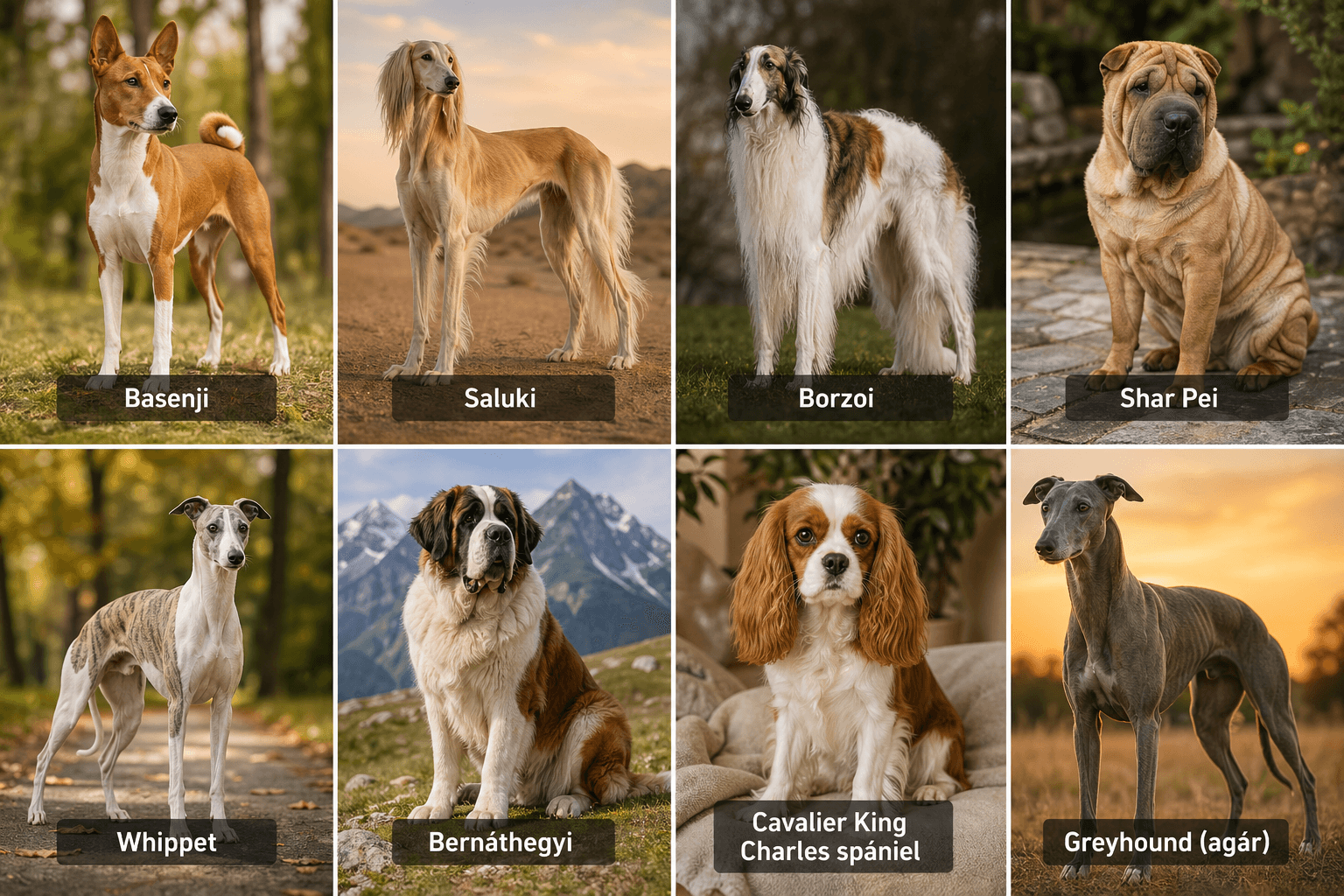
Az alábbi fajták nem némák, hanem jellemzően megfontoltabban kommunikálnak. Ritkábban ugatnak feleslegesen, de ettől még ugyanúgy szükségük van figyelemre, mozgásra és következetes nevelésre.
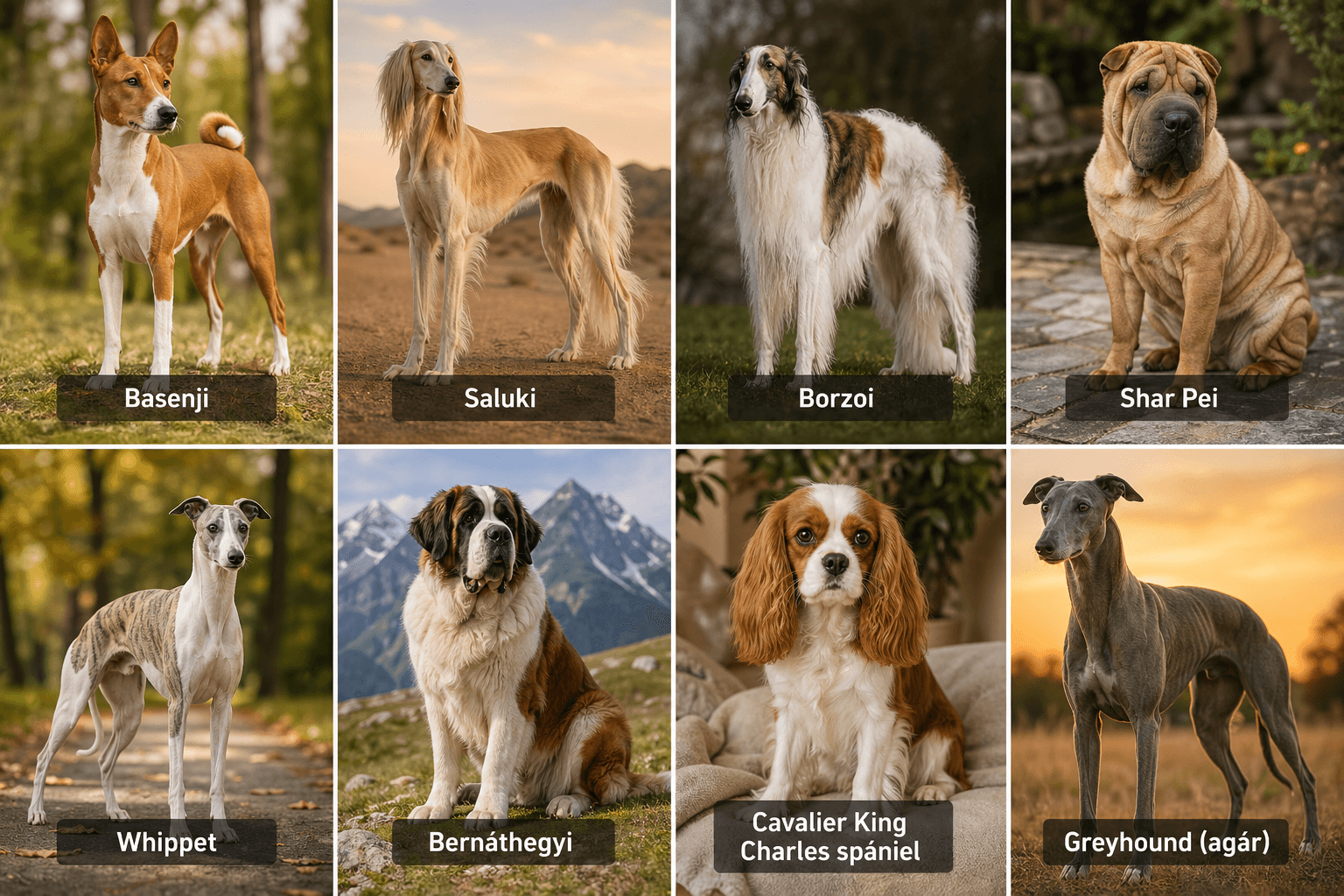
Basenji
Kis–közepes testű
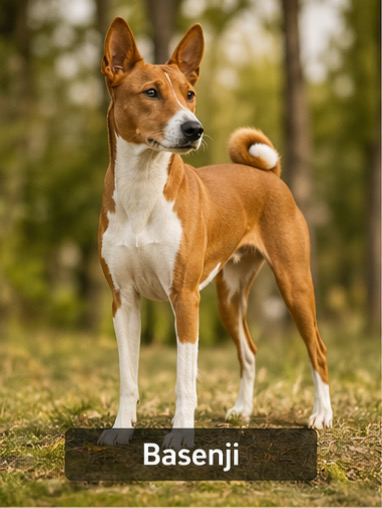
A basenji különlegessége, hogy nem klasszikus módon ugat, inkább jellegzetes, jodlizásra emlékeztető hangot ad ki. Energikus, önálló és macskaszerűen tiszta kutya.
Saluki
Nagy testű
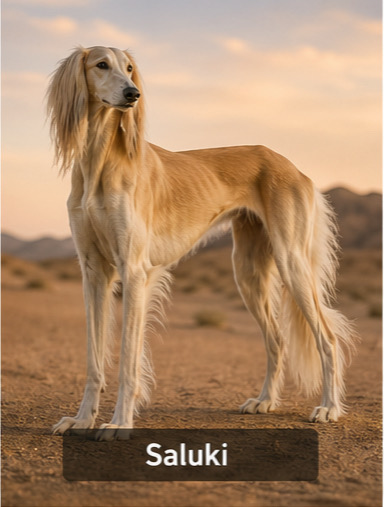
Elegáns, visszafogott agárféle. Otthon általában csendes és méltóságteljes, de csak akkor kiegyensúlyozott, ha rendszeresen lehetősége van futni.
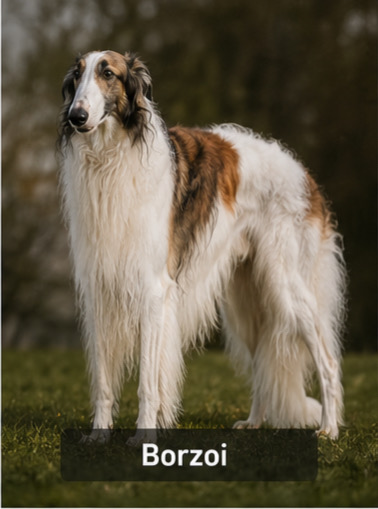
Borzoi
Nagy testű
Az orosz agár nyugodt, arisztokratikus megjelenésű kutya. Nem jellemző rá a felesleges hangoskodás, de érzékeny természetű, ezért türelmes bánásmódot igényel.
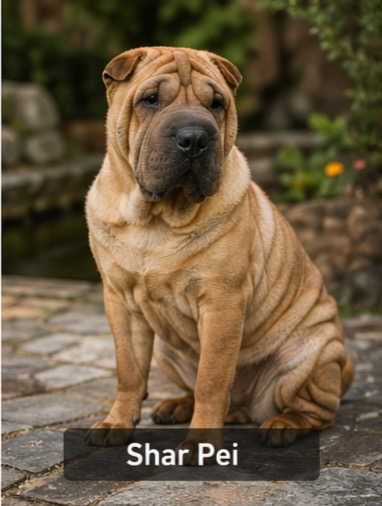
Shar Pei
Közepes testű
Tartózkodó, hűséges, megfontolt kutya. Idegenekkel szemben lehet bizalmatlan, de általában nem zajos. Következetes szocializáció mellett nyugodt társ.
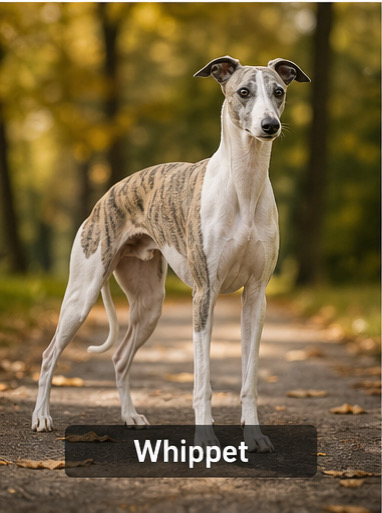
Whippet
Közepes testű
A whippet otthon gyakran igazi kanapékutya, kint viszont villámgyors sprinter. Ritkán ugat feleslegesen, ezért városi környezetben is jól tartható.
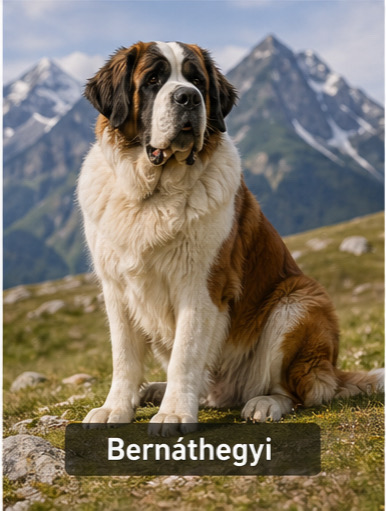
Bernáthegyi
Óriás testű
Hatalmas, de többnyire nyugodt és türelmes kutya. Nem ugat ok nélkül, viszont mérete miatt megfelelő helyre, stabil nevelésre és tudatos gazdára van szüksége.
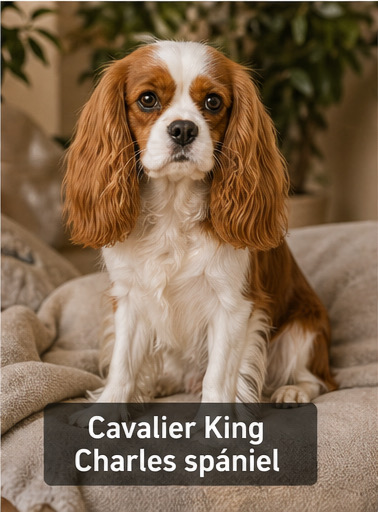
Cavalier King Charles spániel
Kis testű
Szeretetteljes, emberközpontú társasági kutya. Nem kifejezetten területvédő alkat, ezért sok esetben békés, csendes lakótárs lehet.
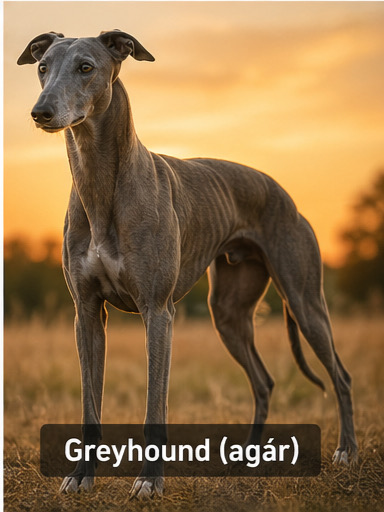
Greyhound
Nagy testű
Meglepően nyugodt otthoni kutya. Bár rendkívül gyors, a lakásban sokszor csendes, pihenős természetű. Rendszeres mozgás mellett kiegyensúlyozott társ.
Érdemes tudni
A kis testű kutya nem feltétlenül csendesebb. Sok apró termetű fajta kifejezetten éber, jelző és hangos lehet. A csendesség nem méretkérdés, hanem fajtatípus, idegrendszer, nevelés és környezet együttese.
Kinek lehet jó választás egy csendesebb kutya?
Jó választás lehet, ha...
- társasházban vagy bérelt lakásban élsz,
- otthonról dolgozol,
- érzékenyek a szomszédok a zajra,
- nyugodtabb családi kutyát keresel,
- idősebb vagy visszafogottabb gazdi vagy.
Gondold át, ha...
- jelzőkutyát vagy házőrzőt keresel,
- az ugatás hiányát biztonsági előnynek gondolod,
- nem tudsz napi mozgást biztosítani,
- nem szeretnél neveléssel és szocializációval foglalkozni.
Fontos: egy csendes kutya nem passzív kutya. Az agárfélék például sokszor rendkívül nyugodtak otthon, de szükségük van megfelelő mozgásra. A csendesség a kommunikációs stílusra vonatkozik, nem arra, hogy a kutya kevés törődést igényelne.
„Egy kutya sosem azért ugat sokat, mert rossz. Az ugatás legtöbbször jelzés: valamit kér, jelez, fél, unatkozik vagy fájdalmat él át.”
Mitől lesz kevesebb a felesleges ugatás?
- Elegendő mozgás: a felgyülemlett energia gyakran ugatásban jön ki.
- Korai szocializáció: a sokféle ember, hang és helyzet csökkenti a bizonytalanságot.
- Mentális lefárasztás: szimatfeladatok, tanulás és játék segítenek megelőzni az unalmat.
- Következetes reakció: ne az ugatás kapjon figyelmet, hanem a nyugodt viselkedés.
- Egyedüllét fokozatos tanítása: az elkülönülési szorongás gyakori oka a tartós ugatásnak.
- Állatorvosi kontroll: ha egy csendes kutya hirtelen sokat ugat, fájdalom vagy betegség is állhat mögötte.
Ne pánikolj. Ellenőrizd az okot. Ha a kutya viselkedése hirtelen megváltozik, először zárd ki a fájdalmat, stresszt vagy egészségügyi problémát.
Összegzés
A csendes kutyafajták jó választást jelenthetnek azoknak, akik nyugodtabb, kevésbé hangos társat keresnek. De a fajta csak kiindulópont. A valódi különbséget a megfelelő nevelés, a napi rutin, a mozgás, a szocializáció és a gazda figyelme adja.
Egy kutya nem attól jó társ, hogy sosem ugat. Hanem attól, hogy érted, mikor és miért jelez.