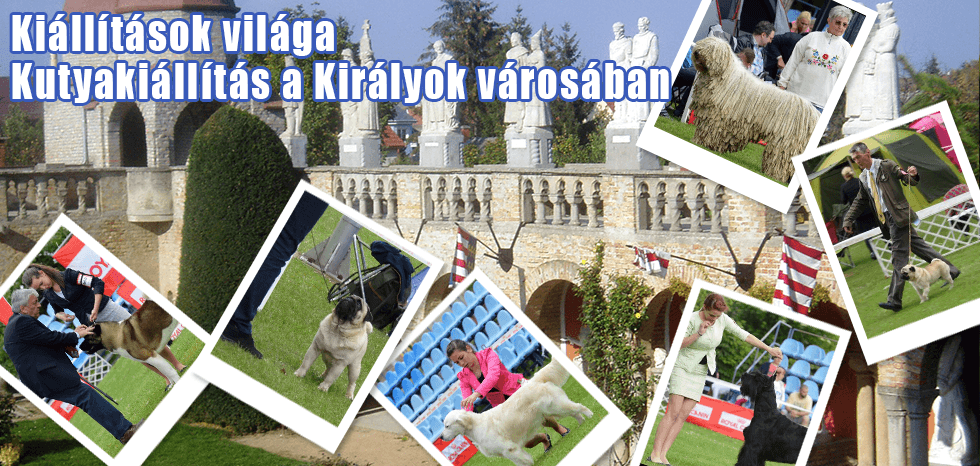
A kiállítások világát bemutató képes sorozatunk következő magyar kiállításának helyszínére érkezünk.
Az ősi örökség városában járunk, melyet történelmünk nagyjainak emléke leng körül. A Királyok városába érkezünk, mely fél évezredig királyi székhelyként és koronázó városként szolgált, falai között 32 királyt koronáztak meg.
 |
|
„Székes főváros volt / zúgó harangokkal/ Koronázó székhely / királyi párokkal./ Történelmi emlék / Királyok városa/nem csalódsz e helyben / szép Alba Regia.
Székesfehérvár városába érkeztünk, e régmúlt történelmi városba, melynek Főterén az Országalma a középkori koronázó várost szimbolizálja, rajta latin felirat, mely szerint Alba város jogait Szent István adományozta. 1222-ben itt került sor az ország történelmének egyik fontos mozzanatára, az Aranybulla kiadására is, melynek emlékét a Csúcsos-hegyen található Aranybulla szobor őrzi.
Székesfehérvár a legrégebbi magyar városunk, mely fontos kereskedelmi utak csomópontjához épült. 972-ben itt alakította ki uralkodói székhelyét Géza fejedelem, itt építtette meg a magyarok első kőtemplomát, mely temetkezési helyéül is szolgált. A város Szent István uralkodása idején vált igazán jelentős központtá. Ekkor épült fel a koronázó és királyi temetkezési helyül szolgáló Nagyboldogasszony-bazilika (koronázó bazilika).
Ennek maradványai és a Szent István-szarkofág bemutatására kialakított romkert és emlékhely mára már nemzeti zarándokhely lett.
Székesfehérvár a XI. századtól a XVI. századig királyi székhely, itt temették el királyaink többségét, Szent Istvánt, Könyves Kálmánt, Károly Róbertet, Nagy Lajost, Szapolyai Jánost, Mátyás királyt. Itt avatták szentté István királyt, és mint már említettük, II. András itt hirdette ki az Aranybullát, mely a királyi birtokon lakó népesség jogait és a nemesi kiváltságokat rögzítette.
A 150 évig tartó török hódoltság alatt a város teljesen tönkrement. A XVIII. század elején a romos város fejlődésnek indult, és megszületett a középkori alapokon nyugvó barokk város, mely Mária Terézia királynő rendelkezésére püspöki székhellyé is vált. A XVIII. és a XIX. századbeli belváros középkori utcáival, barokk templomaival, rokokó palotáival újból virágkorát élte. Falaik között virágzott az oktatás, a szellemi és a kulturális élet. Ez a kulturális pezsgés a mai napig megmaradt. A mai Székesfehérvár egyedülállóan gazdag történelmi, kulturális, régészeti, muzeális és képzőművészeti értékekben, kuriózumokban. Római kori műemlékek, szarkofágok, képzőművészeti alkotások számtalan kincsét fedezheti fel az ide betérő látogató.
E gazdag történelmi emlékek közül a Palotavárosban található Királyok parkja a Székesfehérváron eltemetett királyok emlékének adózik.
A parkban Géza, Szent István, II. Géza, IV. István, II. Béla, III. Béla és Könyves Kálmán fejedelmeinknek állítanak emléket a róluk megalkotott életnagyságú fából faragott szobrokkal a készítők.
A város egyik legszebb muzeális értéke Bory Jenő romantikus lovagvára. A Bory-vár egy művészi színvonalú épületcsoport, melyek Bory Jenő építész, szobrász saját tervei alapján 40 éven keresztül épített. A várat 7 torony és 30 kisebb-nagyobb helyiség alkotja, mindenütt szobrok, képek, régiségek és műtárgyak számtalan alakban és formában. A vár százoszlopos udvarának körbefutó folyosóin a magyar történelem nagy alakjai, hősök, dalnokok és királyok sorakoznak.
A vár az örökké tartó szerelem és példamutató házasság szimbóluma is egyben. Bory Jenő márványszobrai őrzik feleségéhez, a bájos asszonyhoz fűződő szerelme emlékét. A termekben, az udvarban és kertben több mint 500 alkotásból álló műgyűjtemény tekinthető meg.
A város turisztikai nevezetességei közül a legcsodálatosabb a belvárosban található Virágóra. Az 1960 óta működő órát földbe épített szerkezet működteti, számait és perceit évenként különböző színű virágokból alakítják ki.
|
|
A városban májustól novemberig e csodás szépségű Virágóra őrködik az idő felett.
Székesfehérvár természet látnivalói közül a Vidámparki csónakázó és horgásztó festői szépségével megbabonázza a látogatókat. A tó az 1960-as években megépített mesterséges tó, mely a város belterületén helyezkedik el. A csónakázó tó jelenlegi környezete az 1900-as évek legvégén alakult ki, kedvelt pihenőhelye a környéken élőknek és az ide érkezőknek is.
E kis történelmi időutazás után érkezünk meg a Bregyó közi Kemping zöldövezetébe. A Kemping területe gyakran ad otthont különböző szabadidős tevékenységeknek, sporteseményeknek, rendezvényeknek is, mely most éppen a kutyakiállítás helyszínéül is szolgált és ahová az Ebtenyésztők már reggel 7 órától várták a kutyakiállítókat és a látogatókat.
Pethő Beatrix és férje, Imre, a „Black Jade Pakony” mopsz kennel tenyésztői így emlékeznek vissza a kiállításra:
„Vasárnapra ígérték, hogy megjön a rossz idő. Megjött. Mi is megjöttünk, de nem teljesen csont nélkül sikerült, mert sehol nem láttunk CACIB táblát a városban, pedig nem mindenhol volt egyértelmű, hogy melyik a helyes út a kempinghez.
Szép dolog az új sportközpont, csak éppen a korábbi parkoló helyére épült, mi meg már két sportpálya távolságról vándoroltunk be. És ehhez járult még egy csúcsbeállítás: a FeHoVa 1500 Ft-os parkolási díjával együtt eddig az évad legdrágább parkolásában részesítettek, ami nálunk viszont csak egy jó nagy feketepontot ért az értékelésben.
A közel 750 kutyát 14 bíróhoz sikerült szétosztani, volt, aki tizenvalahányat bírált egy fajtacsoportból, míg a „csúcs”, a másodikat 25-tel, a harmadikat mintegy 40-nel megelőzve Miklós Levente, bíró úr volt 101 kis- és nagykutyával, ő legalább négy fajtacsoportból bírált. Persze minket is, mégpedig a vége felé, így aztán a várakozásra is maradt izgalom: a déltájra jelzett nagy eső előtt végzünk-e vagy jól elázunk. Hozzáteszem, úgy általában a kutyák sem viselték jól az időt, mert több helyszínen tört ki verekedés.
Erre a CACIB-ra is eljutott egy külföldi portyázó csapat, jelen esetben a fehovás oroszoknál kevésbé jól menedzselt cseh brigád. Nekik, ahogy én tudom kevesebb babér termett (a mi körünkben biztosan), ha nem így van, javítsatok ki.
Miklós bíró úr becsülettel pörgette a maratoni programot, ehhez némi időmegtakarítással is hozzájárultak a szervezők: jó magyar CACIB kiállításhoz híven nem kellett szalagokkal, zsinórokkal bajlódni; díszes, nagyra nőtt kártyák ékesítik majd az íróasztalfiók belsejét. Megjegyzem, elvileg a CACIB show a nemzetközi verseny, tehát leginkább az itt tapasztaltak alapján ítélik meg a magyar kiállításokat, hiába tesznek ki magukért a kis helyi szervezetek a CAC kiállításokon…
Igazságtalan lennék, ha nem említeném pozitívumként az elsősorban gyereklátogatók szórakoztatására szervezett kutyás bemutatókat, illetve búcsús kellékeket (körhinta, ugrálóvár), illetve az árusok is a szokott nagy számban (és a szokott nagy árakkal) jöttek el.
A fajta bírálatok után aztán szedtük a sátorfánkat, éppen időben, mert mire beszálltunk az autóba, eleredt az eső. De ha megáztunk volna se bántuk volna, mert amiért mentünk, azt megszereztük, sőt kicsit túl is teljesítettük.”
A kutyaegydolog.hu fotói:
A székesfehérvári kiállításon az Ebugatta televízió stábja is részt vett. Az általuk készített videót ajánljuk olvasóink figyelmébe:
Gratulálunk minden kiállítónak, a győzteseknek pedig külön is a kiállításon elért nagyszerű eredményeikhez!
Köszönjük szépen Pethő Beatrixnek és Imrének, a Black Jade Pakony mopsz kennel részéről az érdekes és részletes kiállítási beszámolót és a sok, szép fotót is, amelyekkel kicsit bepillantást nyerhettünk a „Kiállítások színes és különleges Világába”.
Amennyiben tetszett a cikk, kérlek, oszd meg, hogy minél több kutyaszerető emberhez, családhoz eljuthasson! Köszönjük!
Ha kutyakiállító vagy, illetve ha érdeklődsz a kutyakiállítások világa után, ajánlom figyelmedbe a szerző hivatalos honlapját, ahol az elmúlt évek kutyakiállítási naptárjai, a 2020. évi hivatalos MEOESZ kutyakiállítási naptár és az összes 2020. évi MEOESZ kutyakiállítás magyar és angol nyelvű ajánlója a már megszokott formában lesz elérhető!
Keresd Vámosi Ildikó kutyás cikkíró, szerző hivatalos honlapját:
Http://ildikovamosi.hu/
🙂 Köszönöm, ha megtisztelsz a látogatásoddal! 🙂