FCI besorolása: II. Fajtacsoport – pinscherek, schnauzerek-molosserek
Származása:
A Leonbergi, hivatalos elnevezése Leonberger, Németországból származik. Megálmodója és alkotója egy Heinrich Essig nevű úr, aki az XIX. század derekán Baden Würtemberg tartomány Leonberg nevű városkájának tanácsosa volt és szeretett volna városának egy szimbólum állatot létrehozni, melynek neve mi is lehetne más, mint Leonberger.
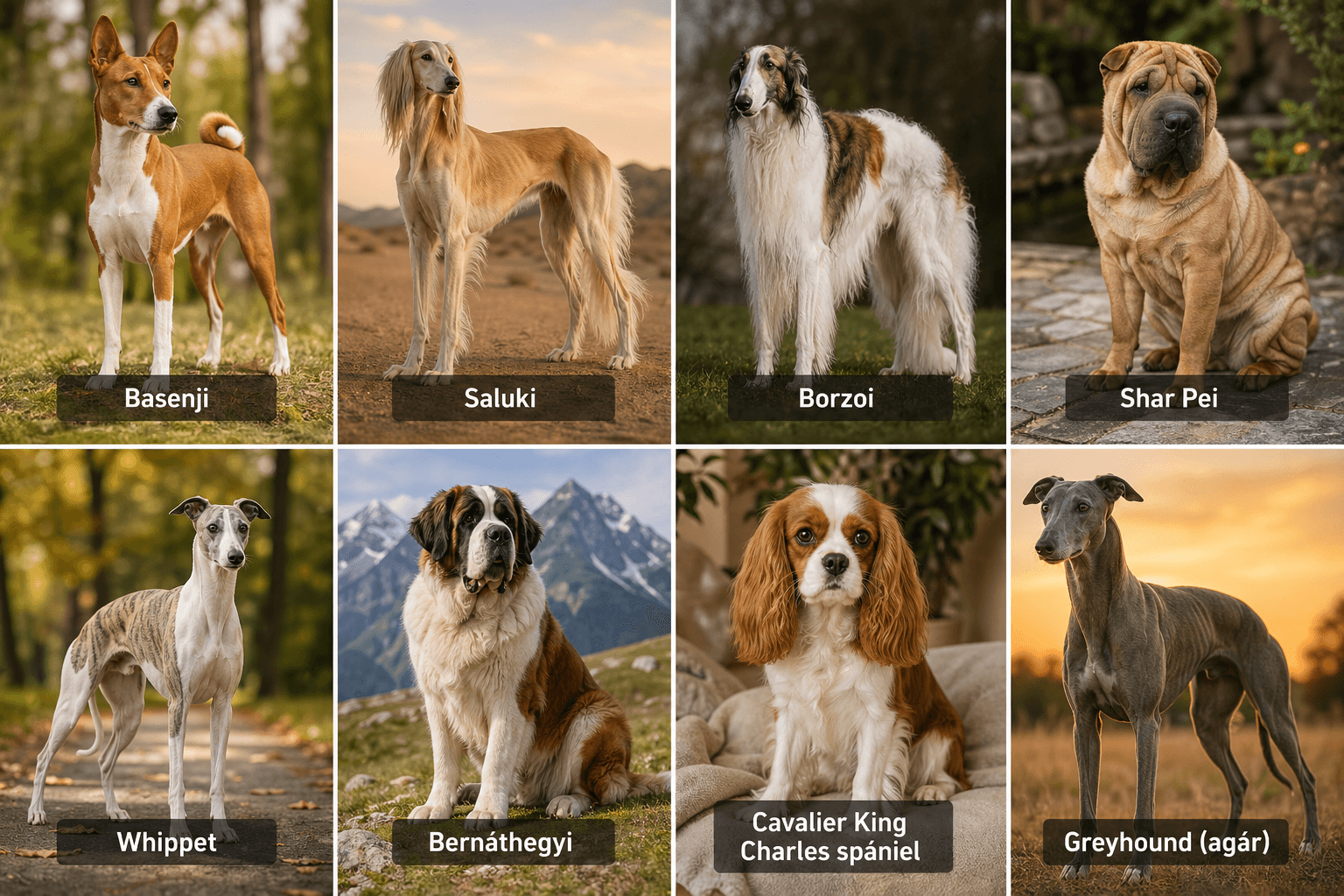
Az álma egy hatalmas, oroszlánhoz hasonlító, címer állat megalkotása, melyhez a bernáthegyit, az újfounlandit és pireneusi hegyi kutyákat használta fel. A hosszú tenyésztési folyamat eredménye egy hatalmas méretű, nagyszívű, emberközpontú kutyaóriás lett. A fajták legjobb tulajdonságait egyesítő leonbergit eleinte paraszt kutyának tartották.
Azonban a fajta hamarosan nagy hírnévre tett szert, Sissy királynő, III.Napoleon, I.Unberto, Richard Wagner, Bismark és az orosz cári udvar is leonbergi kutyákkal vette körül magát.
Általános megjelenés:
A leonbergi nagyon nagy, erős, izmos mégis elegáns kutya, testét sűrű hosszú szőr takarja, melynek színe a homokszíntől a vörösig bármely árnyalatban pompázhat, különösen a kanoknál a marrész fekete szőrvéggel fedett. A szőr testhez simuló és tökéletesen mutatja a test formáját.
Viselkedés, temperamentum:
A leonbergi egy alapjában véve nyugodt természetű, higgadt kutya, mely tökéletesen beilleszkedik a család mindennapjaiba. A gyerekekért rajong és képes megbarátkozni mindenféle élőlénnyel, barátja tud lenni a család összes tagjának, állatainak. 
Nem okoz neki gondot a város zaja, nyüzsgése, hanyag nyugalommal viseli a zajokat. Hatalmas mérete ellenére rendkívül finoman bánik a család apró tagjaival, a gyerekekkel. Magunkkal vihetjük kirándulásokra, imád autózni, sétát tehetünk a társaságában emberekkel telt helyeken, bevihetjük magunkkal a szállodákba, éttermekbe. Minden élethelyzetben kiválóan megállja a helyét.
Nagyon könnyen és szívesen tanul. Az alapvető engedelmesség tanulás nélkül is elvárható tőle. Szinte lesi az ember gondolatait és bármely feladatot szívesen teljesít, ha ezzel örömet okozhat a szeretett gazdinak.
Hatalmas mérete ellenére szívesen mozog, nagyon szeret játszani.
Az ősei között található fajtákkal ellentétben nem csorog a nyála, a szőre pedig antiallergén, vagyis a szőrallergiával küzdő emberek is nyugodtan tarthatják.
A Fajta leírás:
Fej: Egészében tekintve mélyebb, mint amilyen széles és inkább hosszan elnyújtott, mint tömzsi. A fang aránya a fejtetőhöz 1:1. A bőr mindenütt feszes, nincsenek homlokráncok.
Fejtető: Koponya: profilból és elölről nézve kevéssé domború, a törzsnek és a végtagoknak megfelelően erős, de nem nehéz. A hátsó része nem lényegesen szélesebb, mint a szemeknél.
Stop: Világosan felismerhető, de csak mérsékletesen, közepesen kidolgozott.
Orr: Fekete.
Fang: Inkább hosszú, sosem hegyesen végződő, az orrhát egyenletesen széles, sosem besüllyedő, inkább gyengén domború (kosorrhoz hasonló).
Ajkak: Feszesek, feketék, az ajak zug zárt.
Állkapocs/fogazat: Erőteljes állkapocs, tökéletes, szabályos és teljes ollós harapással, a felső fogsor térköz nélkül az alsóra zárul, a fogak függőlegesen állnak, 42 egészséges, a fogképletnek megfelelő foggal (M3 hiánya tolerált) harapófogó harapás megengedhető. Az alsó állkapocsban a szemfogaknál semmi beszűkülés.
Pofa: Csak kevéssé fejlett.
Szemek: Világos barnától lehetőleg sötétbarnáig, ovális, sem mélyen fekvő, sem előreugró, egymáshoz se túl közel, se túl messze álló, a szemhéjak feszesek, a kötőszövet nem látható, a szemfehér nem vöröses színű.
Fülek: Magasan és nem nagyon hátul tűzött, lógó, középnagyságú, feszes, húsos.
Nyak: Lágy ívben, törés nélkül megy át a marba, inkább hosszúkás, mint tömzsi, a gégénél bőr nem lóg.
Farok: Nagyon gazdagon szőrözött, állásban egyenesen lóg, mozgásban is csak enyhén felgörbített, és lehetőleg nem a hátvonal meghosszabbításán felül hordott.
Végtagok: Nagyon erősek, különösen a kanoknál.
Elülső végtagok:
Lábak: Egyenesek, párhuzamosak és nem szűken állóak.
Váll/felkar: Hosszú, ferdén elhelyezkedő, egymással nem túl tompaszöget képező, jól izmolt, a könyökkel összesimuló.
Lábak középső része: Erős, szilárd, elölről nézve egyenes, oldalról nézve függőleges.
Mancsok: Egyenes állású, (sem kifelé sem befelé nem fordul), gömbölyded, zárt. Az ujjak jól domborodnak, fekete ujjpárnák.
Szőrzet: Dús, hosszú, testhez álló puha sima szőrzet. Csekély hullám engedélyezett.
Mindenhol, a jó aljszőr ellenére a test körvonalait felismerhetően hagyja. A nyaknál és a mellkasnál – különösen a kanoknál- sörényt képez. A mellső lábak dúsan szőrözöttek, a hátsó lábakon kifejezett gatya.
Színezet: Oroszlán sárga, vörös, vörösesbarna, homokszínű, fakó sárga, krémszínű és ezek minden kombinációja megengedett, mindenkor fekete maszkkal. Fekete szőrvég megengedett, de a fekete nem lehet meghatározó a kutya alapszínére nézve. Az alapszín kivilágosodásai a farok alsó részén, a nyaki fodornál, a mellső láb zászlóin és a gatyán nem lehetnek olyan határozottak, hogy az alapszínnel való harmóniát zavarják. Egy kis fehér mellfolt vagy vékony mellcsík és fehér szőrvég az ujjaknál megengedett.
Méret:
Kanok: 72-80 (ideális 76) cm.
Szukák: 65-75 (ideális 70) cm.
Hibák: A fenti pontoktól való minden csekély eltérés hiányosságként, minden határozott eltérés hibaként értékelendő.
A tenyésztésből kizáró hibák:
- gyáva és agresszív kutyák
- kutyák súlyos anatómiai hibákkal pl. kifejezett tehénállás, kifejezett ponty hát, erősen süllyedt hát, a mellső mancsok extrém kicsavarodása, teljesen elégtelen szögellések vállnál, könyöknél, térdnél vagy csánknál
- barna orrtükör
- ajkaknál nagyon erős pigment hiány
- foghiány (kivéve M3) előre harapás, hátra harapás, egyéb harapás hiba
- barna és annak árnyalataitól különböző szemszín
- entrópia, ektrópia
- erősen gyűrűs farok vagy túl magasan gyűrűző farok
- barna ujjpárnák
- erősen göndör szőrzet
- színhibák (barna szőrszín, barna orrtükörrel és barna ujjpárnákkal, fekete és cser, fekete és ezüst, vadszín)
- a maszk teljes hiánya
- túl nagyarányú a fehér (a mancsoktól a mellkasig), tenyérnyinél nagyobb folt a mellkason, fehér egyéb helyeken
A leonbergi fajta jó tulajdonságairól oldalakon keresztül lehetne írni, jöhetne a már-már közhelynek számító „a leonberginek nem csak a szőre, a szíve is arany” vagy „aki egyszer belebolondult egy leonbergibe, az alapjában véve alkalmatlan más fajta tartására”. Ezzel szemben, én azt gondolom, hogy Essig úr megalkotta nekünk a tökéletes kutyatársat, akivel megoszthatjuk mindennapjainkat, minden élethelyzetben megfelel az elvárásoknak, kertünk éke, vagyonunk, ingóságunk bátor őrzője. Ha szomorúak vagyunk, hihetetlen módon meg tud nyugtatni és vigasztalni, semmivel nem ér fel, ha beletúrunk a dús, kellemes tapintású aranyszínű szőrbe. Gyermekeink kimeríthetetlen játszótársa, akire bátran rábízhatjuk féltve őrzött gyermekünket, nem aggódva attól, hogy ez a hatalmas medve kárt tenne benne. Óriási mérete ellenére óvatos a csöppségekkel és nem kell tőle féltenünk az állatainkat sem. Viszont, ahhoz, hogy ennek a csodálatos fajtának eme remek tulajdonságai tökéletesen a felszínre törhessenek, mindenképpen tanácsos a megfelelő helyről kiskutyát választanunk. Mint minden fajtánál, a leonberinél is nagyon fontos a jó idegrendszerű, komoly tenyésztői munka eredményeképpen létrehozott kutyák utódainak kiválasztása és nem utolsó sorban a kölyökkori szocializáció. Ezt a fajtát nem rabságra tenyésztették. A bezártságot nem tűri, számára fontos a szabadság, kennelben tartva , vagy netán megkötve befelé forduló, apátiás és félős lesz. Az így nevelt vagy tartott kutya rettegni fog a saját árnyékától is, ugatóssá válik és csak külsőleg fog hasonlítani ahhoz a leonbergihez, akit Essig úr olyan nagy körültekintéssel és hosszú tenyésztői munka árán adott nekünk.
Számomra nincs annál szörnyűbb, mint amikor egy hatalmas, impozáns kutya a farkát behúzva jelenik meg pl. egy kiállításon, vagy a biztonságot adó kert kaput elhagyva egy bizonytalan és minden zajtól összerettenő gyáva óriás lesz.
Ha megtaláltuk a számunkra megfelelően szocializált és tenyésztett leonbergi kölyköt, az első időkben nincs más dolgunk, csak szeretni. A tenyésztő által előírt módon etessük, és persze neveljük következetesen. Akármennyire barátságos, nyugodt és kiegyensúlyozott is a leonbergi, a következetes nevelés nála is elengedhetetlen. Próbáljunk meg nem a főnöke, hanem a barátja lenni. Menni fog. De ha ráhagyunk mindent és nem követeljük meg az alapvető engedelmességi feladatokat, akkor könnyen a fejünkre nőhet és később egy közel 50-70 kg-os jószágot eléggé nehéz lesz már így kordában tartani.
Jutalmazással, több dicsérettel, mint szidással majdnem mindent el lehet érni nála. Ha a nevelés tekintetében arra az egyensúlyra törekszünk, melynek alapja a rövid, tömör, de határozott szidás és a bőséges, jutalomfalattal megerősített dicséret, akkor a későbbiekben a leonbergi kutyánk lehet a büszkeségünk, aki óriási mérete ellenére nem él vissza testi erejével, kiváló kísérőnk, társunk és barátunk lehet.
Ami nagyon fontos, ne zárjuk be, ne korlátozzuk a szabadságában, inkább még kölyök korban próbáljuk meg megértetni vele, hogy mit várunk el tőle. Azokban az élethelyzetekben, melyben a bezárás mellett döntenénk, inkább próbáljuk meg megértetni vele, hogy mit is várunk, mit szabad és mit nem! Egy leonbergi kutya annyira szeretne megfelelni a szeretett gazdának, hogy megértse, mit szabad és mit nem szabad.
Ha jót szeretnénk tenni ezzel a nagy maci kutyával és az időjárás is engedi, tegyük lehetővé, hogy kedvenc hobbyjának, az úszásnak hódolhasson.