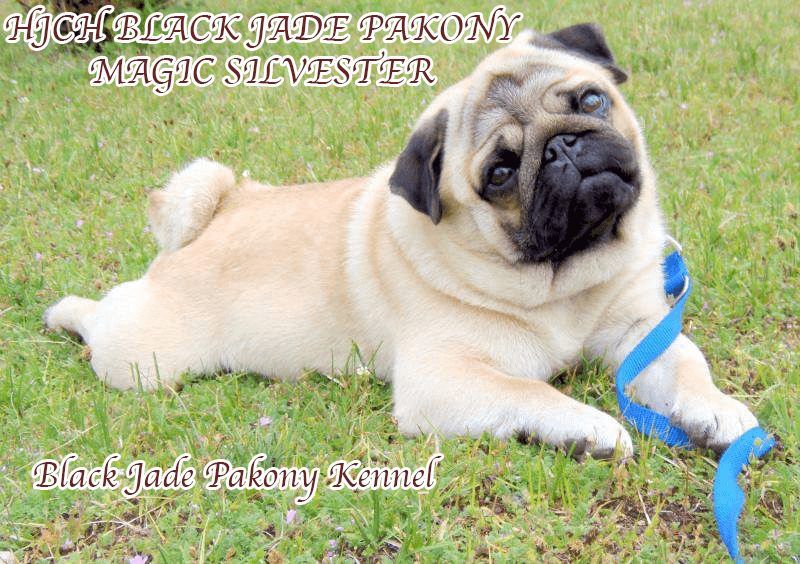
Mottó:
„KICSIT MALACKA, KICSIT MACSKA,
UTÓBBIBÓL KICSIT NAGYOBBACSKA.
FARKUNK PÖRGE ÉS NEM KACSKA,
MOPSZ A NEVÜNK! ÉRTED, CSACSKA?”
/ részlet a Kameleon „Pugmania” c. dalából /
Minden kutyafajtára létezik egy „standard”, amely a Nemzetközi Kinológiai Szövetség által kívánatos követelményeket tartalmazza a külső megjelenés, mozgás, az egyes testrészek, esetenként testsúly, magasság, stb. tekintetében. A legtöbb helyen ezt a sztenderdet idézik be vagy kivonatolják, ám a hobby tartók vagy érdeklődők számára egy kicsit más szempontból írjuk körül a fajtát (idézőjelben a sztenderd szövege).
 A mopsz „kimondottan kvadratikus, zömök testfelépítésű kutya”, tömör, arányos, feszes izomzattal. A kvadratikus (négyzetes) azt jelenti, hogy oldalról nézve a nyakától a faroktövéig körülbelül ugyanakkora a távolság, mint a földtől a háta vonaláig (a nyak tövénél és a farok tövénél). Így, ha a fenti pontokat összekötjük, egy négyzetet kapunk. Bizony, a mopsz tömör, de izmos és NEM KÖVÉR, mint ahogy a nép körében elterjedt tévhit tartja. A kövér mopsz nem aranyos, hanem veszélyeztetett, konkrétan a szíve és az ízületei hamar megbetegedhetnek és az életkora lerövidül.
„Sötét, nagyon nagy és gömbölyű szeméből gyengéden aggódó tekintetet sugároz, mely ragyogó és izgalmi állapotban tűzzel teli”. Ehhez a költői meghatározáshoz hozzátennénk, hogy – szintén a közhiedelemmel ellentétben – a genetikailag egészséges mopsz szeme NEM DÜLLEDT! Ráadásul, mivel nincs hosszú orr, amely megvédje, mint a kutyák túlnyomó többségének, rendkívül sérülékeny. És még egy gyenge pont: gyakran száraz a szem, amit abból lehet észrevenni, hogy sűrűn dörzsöli az orrát/arcát bármihez; ekkor műkönnyet célszerű adni.
„Vékony, kicsi fülek,… …a fülhegy szorosan simul a koponyához úgy, hogy fülhegyek a szemek felé mutatnak.” Főleg fiatal korban a fülek jelzik a kalcium hiányt: ha a fülek hajlása megtörik és a fülhegyek járáskor fel-le lebegnek, akkor a kutyának kálcium hiánya van, akár fogváltás, akár tüzelés vagy valamilyen elhúzódó betegség miatt.
„Egyenes hát…, …a farok magasan tűzött, olyan szorosan, ahogy csak lehet a farra kunkorodó.” A faroknak legalább egy zárt gyűrűt kell alkotni, de jobb esetben briós csiga módra csavarodik. Ha a gyűrű nem záródik, akkor az szépséghiba (de nem egészségi). Ha a hát viszont nem egyenes, hanem felfelé ívelt (kvázi „púpos”), akkor az arról árulkodik, hogy vagy a gyomra/hasa fáj, vagy a gerince, tehát javasolt orvoshoz vinni.
„Nagyon enyhe előreharapás,” azaz az alsó fogsor előrébb áll. A mopszok fogsora híres arról, hogy olyan, mint az ökörpisilés, tehát ettől nem kell megijedni. De arra azért figyeljünk, hogy tejfog ne maradjon meg.
A nyelv a szájban van! Sőt, a kilógó nyelv nem cuki! Ugyanis általában valamely felső légúti rendellenességet jelez garat-lágy szájpad táján. Van persze, hogy egyszerűen túl hosszú (de keskenyebb) a nyelv, ez sem jobb, mert a kilógó rész kiszárad és fáj. (Ez utóbbira tessék gondolni, amikor lájkolnak egy kilógó nyelvű szegény mopszit!) Mindkét esetben javasolt fül-orr-gégész szakorvos felkeresése.
„Finom, sima, puha, rövid és fényes szőr.” Arról bezzeg nem szól a sztenderd, hogy viszont a beige színű borzasztóan hullik! A fekete nem. Halolaj adása viszont nagyon jó eredményt hozhat!
Ezüst(-beige), barack(-beige), beige vagy fekete szín elfogadott. Ettől eltérő színkombinációk (pl. csíkos, fehér, stb) másik kutyfajtával (elsősorban francia bulldog) való keveredés eredménye. A beige színt a kevésbé hozzáértők az angol nyersfordításból őzszínnek is említik. Valamennyi jegy: maszk, fül, pofafolt, homlokfolt (csillag) olyan sötét legyen, amilyen csak lehet, ellenben a fehér szín színhibának minősül. A fekete színváltozatnál mellkason fehér folt megengedett, másutt, pl. lábon nem.
Igen sármos, méltóságteljes és intelligens, kiegyensúlyozott, vidám és élénk a sztenderd szerint. Találkozott valaki már olyan mopsszal, amelyben a felsorolt hatból legalább három tulajdonság egyszerre megtalálható volt?
Inkább az életből vett tapasztalatok alapján bővítsünk a felsoroláson: makacs, ha valamit nagyon akar, amit mi nem, akkor legalább háromszor kell nyomatékosan eltiltani, mire eláll a szándékától.
Horkol? Nem, ez tévhit! Az egészséges mopsz NEM horkol hangosan! Persze, sok mopsz horkol hangosan, de ezeknek túl hosszúra nyúlt a lágy szájpadjuk, ami akadályozza a levegő szabad áramlását, amely akár szívnagyobbodáshoz is vezethet és hamar elviheti szegény kedvencünket. Hangosan horkoló kiskutyánál javasolt még fiatal korban elvégeztetni az orrlyuk tágítást, amely segíthet a lágy szájpad megnagyobbodásának megelőzésében. Ha ez kevés, akkor következő lépésben (vagy súlyosabb esetben orrlyuk tágítással együtt) célszerű a lágy szájpad megrövidítése. Az így megműtött kutyák jobban viselik a meleget és tovább is élnek.
Viszont nem mondom, röfögni, azt szoktak, mint a malacok. És ha már a hangoknál tartunk, sokuk ugatása minden csak nem ugatás, csoda, hogy állatkínzásért még nem jelentettek fel…
Kirándulás, sport? Módjával. Sziklamászás, rendszeres lépcsőzés, le- és felugrálás széknél magasabbról KERÜLENDŐ! Tudomásul kell venni, hogy a hosszabb monoton futást sem nekik találták ki. Kirándulni akár hosszabbat is egészséges, de kerüljük a nagyobb szintkülönbségeket. Ha fentieket nem fogadjuk meg, azzal nagy eséllyel sérülésveszélynek tesszük ki őket: előbb-utóbb a gerinc és/vagy csípő és/vagy térd, könyök ízületek károsodni fognak.
Fiatal korban hiperaktív, ám később a többség kinövi ezt és képes végigfeküdni a napot és aztán jóízűen aludni éjjel, persze van aki aktív felnőtt marad; számára elég, ha naponta egyszer ehet: ébredéstől elalvásig, ennek érdekében a gondolatait leginkább az tölti ki, hol lelhet valami ennivalót; a kivétel erősíti a szabályt.
Végül, de nem utolsósorban a macskákat meghazudtoló hízelkedés: a nyali-fali puszik után a gazdihoz bújva leheveredve kerek a világ…