
Breed Description
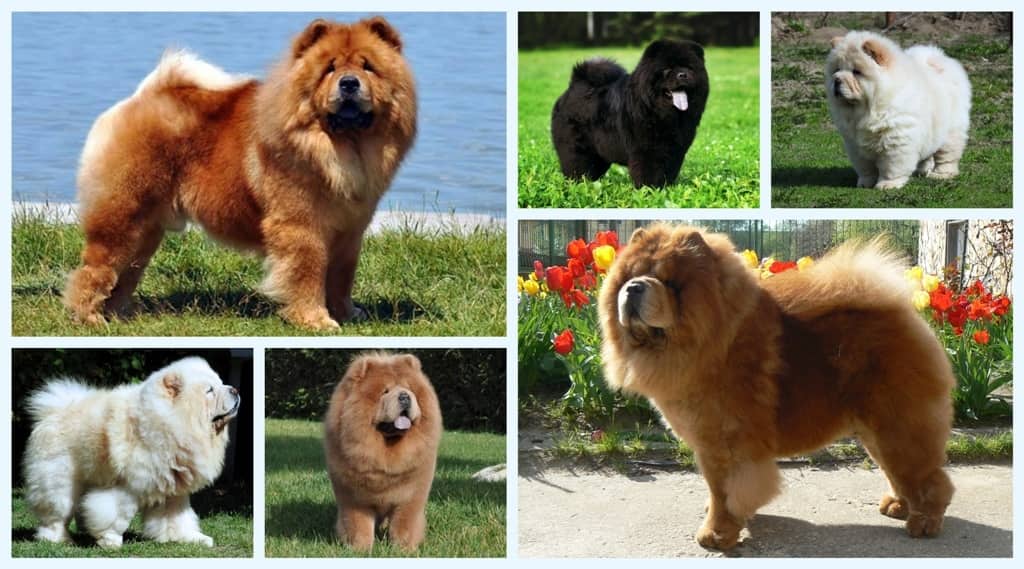
The Tibetan Mastiff is a powerful, massive dog with strong bone structure. The body is slightly longer than it is tall. The slightly wrinkled head is broad, heavy, and strong. The wide muzzle appears square from all sides. The equally robust nose is black.
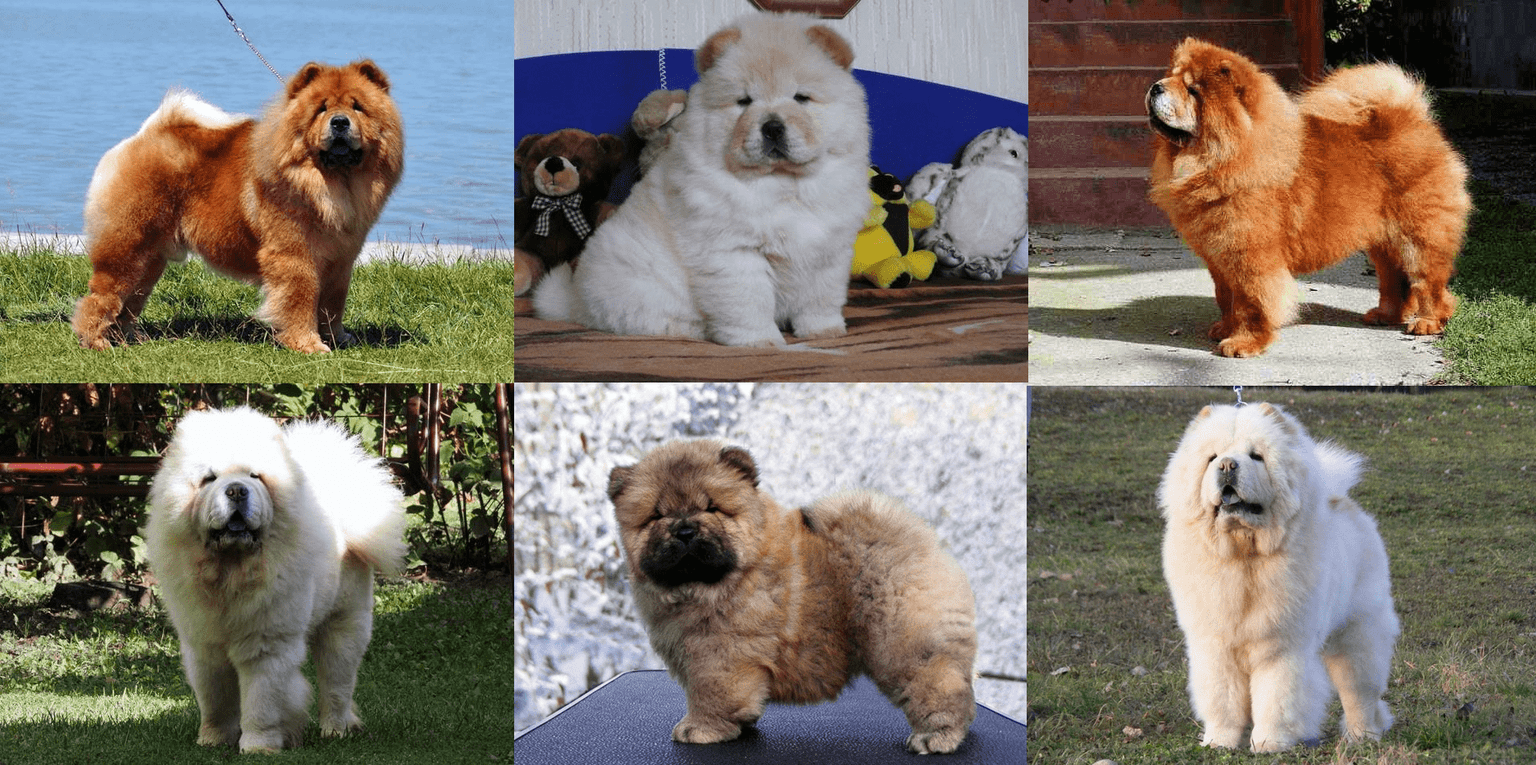
The upper jaw usually closes over the lower one; the opposite is undesirable. The slightly slanted eye is almond-shaped, deep-set, and medium-sized. The eye color occurs in shades of brown. The ears are V-shaped, hanging forward close to the head. The neck is muscular, curved, moderately wrinkled. The folds are more noticeable in males. The backline is straight, and the bushy tail curves over the back. The forelegs are straight; the feet are “cat-like,” and the hair between the toes is dense. The dewclaws on the hind legs are usually removed. There is a huge, thick, and heavy double coat mane around the neck; the hair is shorter on top of the head. The coat can be black, red, bluish-gray, each with or without tan markings, and various shades of gold also occur, which may also have white markings. In its homeland, the snow-white color variant also exists, but according to the FCI, this is not an accepted color.
Regarding coat types, they are classified as short-haired, semi-long-haired, and long-haired. By another criterion, there are lion and tiger types of Tibetan Mastiff. In terms of size, the European, American, and Chinese types are distinguished.
It comes into heat only once a year and whelps once, as it is an ancient type of breed. Despite its large size, it is quite agile and eats relatively little.
Some breeders divide the Tibetan Mastiff into two types, although both often occur in the same litter: the Do-khyi and Tsang-khyi. Tsang-khyi means “dog from Tsang,” and it is characterized as the “monastery” type dog. It is taller and heavier boned, with deeper wrinkles around the face. The Do-khyi or “nomadic” type Tibetan Mastiff is slimmer and has fewer wrinkles.
Temperament
The Tibetan Mastiff is brave, fearless, calm, composed, and attentive. It is very loyal to its own family. It tends to bark at night if left in the yard but is calm if inside the house. The Tibetan Mastiff is an excellent guardian of the flock, a ruthless opponent of wolves, leopards, and any predator that tries to approach the flock.
The Tibetan Mastiff needs a firm, confident, consistent pack leader so that it does not become overly stubborn and protective. It loves children but can develop a high degree of distrust toward strangers if not properly socialized. It is natural for it to be the guardian of the family and property. A stable, well-trained dog usually behaves friendly with most household pets. The Tibetan develops physically and mentally up to 2-3 years of age. It can live with other dogs if its owner can make it understand that fighting is an unwanted behavior. The Tibetan Mastiff does not listen to its owner if it senses that the owner's will is weaker than its own. The owner must possess a kind of natural leadership charisma. The rule in training is mutual respect between owner and dog. It is completely natural for the dog that there is a defined order in the pack, and when dogs live with humans, they consider them the pack. The entire pack obeys one leader. The boundaries and rules must be clear. Since the dog expresses its displeasure by growling and eventually biting, all human members of the pack must be at a higher level than the dog. Humans make the decisions, not the dog. This is the only way for a successful human-dog relationship. When the humans in the pack calmly but very firmly make it clear to the dog that they are above it, and the dog is well-trained and socialized, then the Tibetan Mastiff can be a very good family companion. This breed needs an experienced pack leader.
Parameters
Height: 61-71 cm
Weight: 64 – 78 kg, some European breeders have had dogs weighing 99 kg, but it is rare to exceed the upper limit.
Health
It is prone to hip dysplasia, thyroid problems, skin diseases, demodectic mange, and ear infections. It is also susceptible to a hereditary genetic problem called Hypertrophic Neuropathy (CIDN), which is a nervous system disease that may cause weakness, diminished reflexes, and reduced sensory functions and can often be fatal. The disease can be detected in puppies between 7 and 10 weeks old and does not occur after 4 months of age.
Keeping
The Tibetan Mastiff can live even in an apartment if well-trained and given enough attention. These dogs are not too active when confined.
It needs a daily walk. During the walk, the dog should be at the foot line or behind, so that it becomes clear in the dog's mind that the leader shows the way, and the leader must be human. Make sure that the bones, muscles, and joints are not overloaded in the case of a young dog; excessive physical exertion should be avoided during the growth phase.
How long they live
About 10-11 years.
Care
The Tibetan Mastiff's coat must be brushed regularly. It grows a dense coat in winter, which it sheds within a month as the weather warms up. Daily brushing is recommended at this time. The Tibetan Mastiff is also suitable for people suffering from dog hair allergy.
Origin
The ancient Tibetan Mastiff existed as early as 1100 BC. The modern breed of Tibetan Mastiff developed from these mastiffs while they were isolated in Tibet in the Himalayan mountains for centuries. The dogs were used to guard property. They were usually kept tied up during the day and only released at night, and there was even a case where one dog guarded an entire village. The dogs were tied up from puppyhood to increase aggressive temperament. The isolation ended when they began to be imported to England in the 1800s. Marco Polo described the Tibetan Mastiff as: “as tall as a donkey and as strong in voice as a lion.” Today, it is becoming increasingly popular both in the United States and in England. The Tibetan Mastiff was first recognized by the AKC (American Kennel Club) in 2006.