Származási hely
A Törpe schnauzer származási helye Németország.
FCI besorolása
2. csoport, Pincserek, schnauzerek – molosszerek – svájci hegyi- és pásztorkutyák.
Általános megjelenése
Kicsi, erős, inkább zömök mint karcsú, durva bundájú, elegáns. Tulajdonképpen egy Óriás schnauzer törpe bőrben.
Fontosabb arányok:
- Teste kvadratikus felépítésű, azaz a marmagasság közel egyenlő a test hosszával.
- A fej hossza (az orr csúcsától a fejbúbig) a felső vonal (a Mar-tól a farok tövéig) felével egyenlő.
Viselkedés, temperamentum:
Természete hasonlít az Óriás schnauzeréhez, de azért a temperamentuma és a viselkedése egy kistestű kutyát idéz. Intelligenciája, vakmerősége, kitartása és ébersége folytán a Törpe schnauzer kellemes házi kedvenc és társ, ugyanakkor házőrző is, kiválóan tartható kisebb lakásában is, amennyiben biztosítjuk számára a megfelelő mozgásigényt.
Testfelépítés:
Fej
Koponya: Erős, hosszú, jelentősen kiálló nyakszirt nélkül. A fejnek összhangban kell lennie a kutya erejével. A homlok lapos, ráncok nélkül, és  párhuzamos az orrhíddal.
Stop: egyik jellegzetessége ennek a fajtának a szemöldöke
Orrtükör: mindig fekete.
Áll/fogak: Erős alsó és felső állkapocs. Az ollós harapás (42 tisztán fehér foggal) erősen fejlett és határozottan záródik. A rágóizmok erősen fejlettek, a fej formája a jellegzetes szakállal lesz négyszög alakú.
Szemek: Közepes méretű, ovális szemek, sötét élénk tekintet, a szemhéjak pontosan illeszkednek.
Fülek: Nem túl nagy fülei magasan helyezkednek el, a kutya pofájához simulnak.
Nyak: A Törpe schnauzer erős, izmos nyaka nemesen ívelt. A tarkón a koponyáig egy-két redő található, a torok résznél a bőr feszes ráncok nélkül.
Test
Felső vonal: a Martól hátrafelé enyhén lejt.
Hát: Erős, rövid és feszes.
Ágyék: Rövid, erős és mély. Az utolsó borda és a csípő közötti távolság rövid, ettől tűnik a Törpe schnauzer az én megfogalmazásomban „kompaktnak”.
Mellkas: Mérsékelten széles.
Farok: Nagy vita alakult ki a kutyatartók és tenyésztők körében, hogy csonkoltan vagy természetesen meghagyva szebb-e a kutya. Magánvéleményem szerint jól mutat a levágott farok, de azzal sincs semmi baj (én inkább ezt preferálom), ha meghagyjuk, mert nem túl hosszú, nem fogja vele leverni a virágcserepeket :).
Végtagok
Elülső végtagok: Szemből nézve a mellső lábak erősek, egyenesek és nincsenek természetellenesen közel egymáshoz. Oldalról szintén egyenesek az mellső végtagok.
Hátulsó végtagok: Oldalról nézve behajlítva állnak, hátulról nézve párhuzamosak de nincsenek közel egymáshoz.
Testtartás és mozgás
Erről három jelző jut az eszembe: rugalmas, elegáns, agilis. Futás közben a mellső lábak előre nyúlnak, amennyire csak lehet, a hátsó láb pedig meglehetősen rugalmas, így a Törpe schnauzer meglepően nagy sebességre képes. Egy időben mozog az egyik első láb és az ellentétes hátsó láb.
A Törpe schnauzer bundája
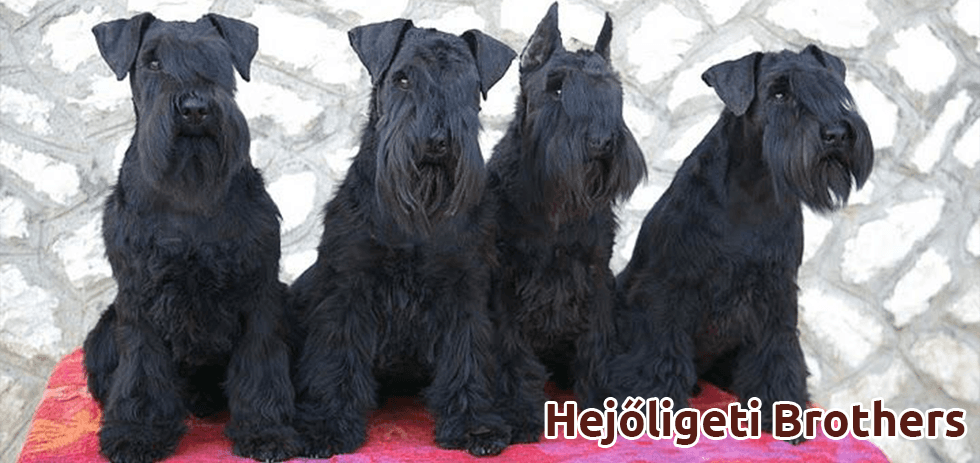
Szőrzet: A bundája drótszerű, kemény és sűrű. A sűrű aljszőrzetet dús félhosszú felső réteg fedi. A felső réteg kellően durva és hosszú ahhoz, hogy kirajzolódjon a szőrzet textúrája, nem hullámos, inkább egyenes. A szőr a végtagoknál puhább, a homlok és fül környékén rövid. Az arc jellemző szőrzete a már említett bozontos szemöldök és a szakáll.
Színváltozatok
- Tiszta fekete, fekete aljszőrzettel
- Sóbors
- Fekete-ezüst
- Tiszta fehér, aljszőrzettel
Méretek
- Mar: 30-35 cm között
- Súlya: 4-8 kg
Nem kívánatos jegyek:
Minden eltérés a fenti standardtól.
Különös tekintettel:
- Kerek, nem szögletes fej
- Ráncok a homlokon
- Rövid, hegyes vagy szűk pofa
- Rosszul záródó fogak
- Erősen kiálló arccsont
- Túl nagy, vagy kerek szemek
- Túl hosszú vagy egyenetlenül végződő fülek
- Túl hosszú vagy rövid lábak
- Túl rövid nyak
- Barna alsó szőrzet
- A standardnál magasabb vagy alacsonyabb kutya