There are many misconceptions about dogs' "abilities" related to the winter season, which can be misleading and even dangerous. It is important to distinguish facts from fiction. Here are some myths and some truths to help you know what to do to preserve your dog's health during the winter season.
1. Fur protects the dog from the cold – myth
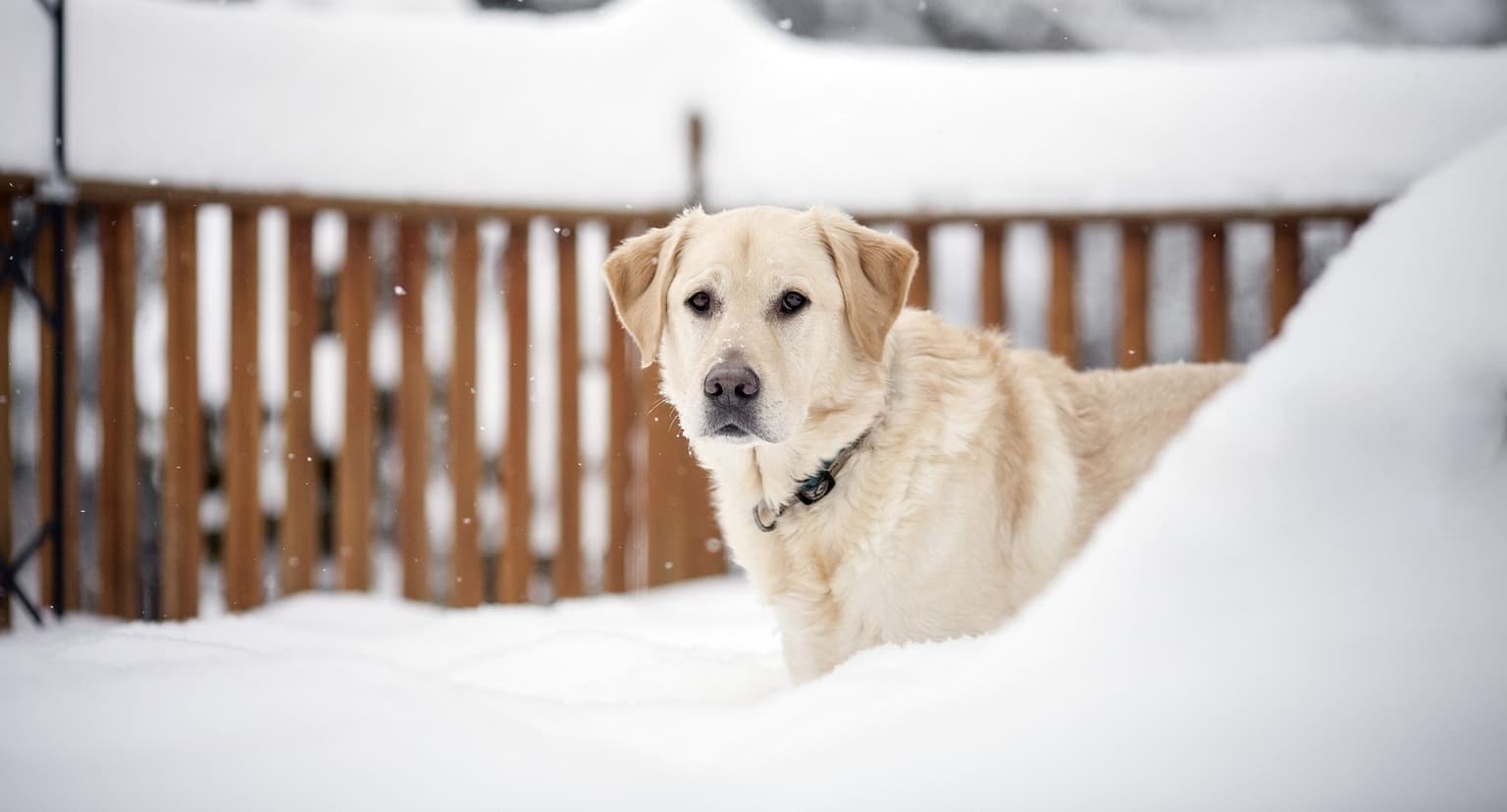
Not every dog is created equal, so not all of them tolerate cold weather the same way. Obviously, a Siberian Husky is better prepared for snow and cold than a Chihuahua. But even in extreme weather, a thick coat does not provide perfect protection against frostbite (tissue damage caused by excessive cold) or hypothermia (severe cooling).
As the weather turns colder, non-cold-tolerant dogs such as the Chinese Crested Dog or Chihuahua should be dressed. A warm coat is very practical and useful in the winter season. When choosing a jacket for your dog, pay attention to the exact size and the type and material of the coat. Warm dog jackets are relatively easy to put on and take off... and you can keep your dog safe from the cold.
2. It is safe for dogs to eat snow – myth
Under the snow, many things can be hidden, such as garbage, animal waste, and worst of all, salt and chemicals. Dogs can become ill from these, so it is not a good idea to allow your dog to eat snow, no matter how excited it is to taste the magical solid water. You might think freshly fallen snow is fine, but the key is you never know what is underneath. Don’t let your dog nibble on snow; rather, give them tap water instead.
3. Dogs are less likely to become dehydrated in cold weather – myth
Speaking of water... people tend to think dogs are more likely to become dehydrated in warm weather. This is not true. Winter brings very dry weather, and dogs lose body moisture through panting. Since we do not feel the heat much, it is easy to forget the importance of hydration. Make sure your dog always has enough fresh water available.
4. Dog feces dissolve in snow – myth
Why don’t people pick up after their dogs in winter? Many assume that the feces decay with the snow. This is not the case. In fact, cold weather slows down biological decomposition, so the mess remains everywhere until spring. This is not only grossly unpleasant but also a public health problem because it attracts rodents and bacteria and transmits diseases from dog to dog. Be responsible! Pick up your dog’s feces! Every time!
5. Dogs are not attacked by fleas and ticks in winter – myth
While cold and snow kill most pests, fleas and ticks like to find shelter in warmth in the winter. And since the house is the warmest place around them, that’s likely where they end up. Therefore, increased caution is recommended in winter as well! Don’t stop flea and tick treatments just because you think parasites don’t attack in winter!
6. Dogs don’t need paw protection on short walks – myth
Using dog boots or paw-protective creams is very useful on winter walks. While a dog’s paw pads are more flexible than human soles, they are not immune to frostbite. But perhaps even more harmful is the salt used to melt ice, as it burns the paw pads. Yes, your dog’s paws can get burned in the cold. Dogs’ paw pads also absorb residues of antifreeze and chemicals. It is worth emphasizing paw protection on every winter walk.
7. Dogs can remove excess snow from their coat on their own – myth
When your dog comes in from the cold, you probably wipe off as much extra snow as you can. Small snow clumps stick and freeze onto their fur and don’t always come off immediately. Your dog will likely try to remove these from their coat on its own, but this isn’t necessarily safe. Excessive licking, chewing, and nibbling damages the skin, which is already dry due to the cold weather. Therefore, take a few extra minutes and remove these stuck, frozen small snow clumps from your dog’s coat, and your dog will be happier.
Please share this post with your friends and other dog lovers, as it may be useful for them too! Thank you! 🙂
.
More useful and valuable articles for dog lovers can be viewed on the author's official website.
Visit Ildikó Vámosi dog article writer, author's official website:
Http://ildikovamosi.hu/
🙂 Thank you if you honor me with your visit! 🙂