The Importance of Dental Care for Dogs
Did you know that dental care for dogs is at least as important as it is for humans? Many people don’t realize that neglecting teeth can cause not only unpleasant bad breath but also serious health problems! Plaque and tartar can eventually lead to gum inflammation, pain, and even tooth loss.
The health of the mouth is important not only because of the teeth: bacteria can easily enter the bloodstream and cause more serious diseases such as heart, liver, or kidney diseases. And who would want their pet to be exposed to such dangers?
“A healthy dog is a happy dog” – and this is true for teeth too! If you don’t want your pet to suffer quietly from painful teeth, it’s worth taking action in time.
Regular dental care not only helps maintain health, but also contributes to your dog jumping around you every day with fresh breath and a cheerful smile. And let’s admit, who wouldn’t love doggy kisses when they know there are clean and healthy teeth behind them?
Signs and Consequences of Dental Problems
How can you tell if your dog’s teeth are not alright? Many owners do not notice the problem until the situation becomes serious. One of the most common warning signs is bad breath. Although dog breath will never be minty fresh, if the smell is particularly unpleasant and strong, it may indicate a dental problem.
Also, it is worth paying attention if your dog chews less, has difficulty eating, or prefers to chew only on one side. If your pet frequently rubs its face with its paw or licks its mouth, that can also indicate something is wrong.
- Red, inflamed, or bleeding gums
- Visible tartar and deposits
- Loose or moving teeth
- Changed chewing habits
- Reduced appetite due to pain
If you notice any of these, don’t wait too long! Dental problems cause not only discomfort – left untreated, they can lead to serious health consequences.
Gingivitis, for example, is a common initial problem that, if left untreated, can lead to gum recession and tooth loss. If bacteria reach the bloodstream, they can cause serious organ diseases – such as heart and kidney problems. Severe dental infections can even affect the bones, which can be extremely painful for your dog.
“Pain often remains hidden: dogs instinctively hide their suffering. It is up to the owner to notice if something is wrong!”
Don’t wait until your pet has a serious problem with their teeth! The sooner you recognize the signs, the easier it is to treat the problem and prevent bigger issues.
Prevention Methods and Tools
The best way to avoid dental problems is prevention! But how can you do that? Fortunately, there are many methods and tools available to keep your dog’s teeth healthy.
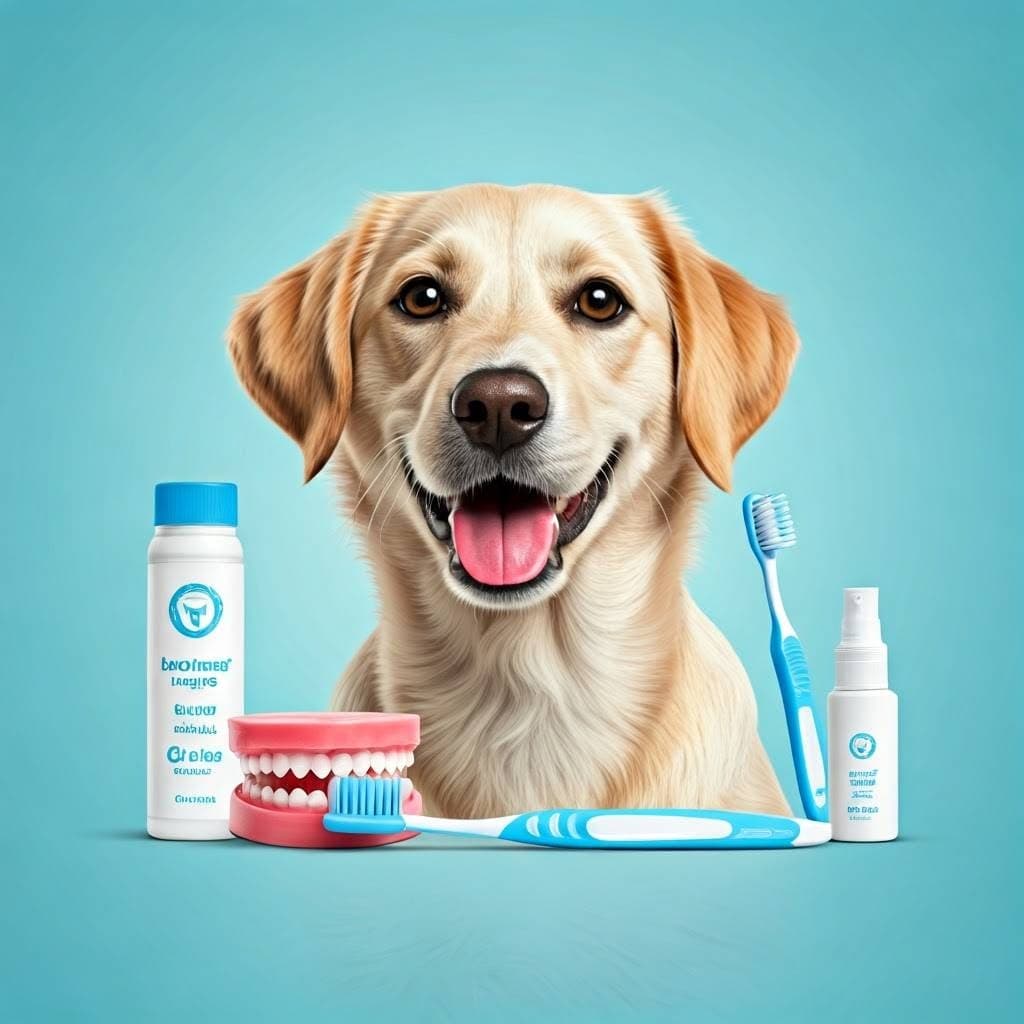
One of the most important steps is regular tooth brushing. Although it may seem strange at first, cleaning your dog’s teeth with special dog toothpaste and a toothbrush is one of the most effective ways to prevent plaque and tartar buildup. It is important not to use human toothpaste, as it may contain ingredients that are toxic to your pet!
“Daily brushing is one of the best ways to protect your dog’s teeth! If not possible every day, try to make it a habit at least 2-3 times a week.”
If your dog doesn’t love tooth brushing (which we completely understand!), you can try other alternative preventive methods as well.
- Dental chews and toys: Various dental chews and toys not only keep your pet busy but also help clean their teeth while satisfying their chewing instinct.
- Special dental diets and treats: There are dry foods and treats that help reduce tartar formation and promote oral hygiene.
- Dental cleaning liquids: There are oral hygiene solutions that can be mixed into drinking water, helping to keep the mouth clean through daily water consumption.
- Natural tooth cleaners: Raw carrots or apples, for example, naturally clean teeth and are a healthy snack for your pet.
Every dog is different, so some methods may work better than others. The most important thing is to find a solution your dog will accept gladly and that you can incorporate into your daily routine!
The Steps of Proper Teeth Cleaning
Brushing teeth may seem challenging at first, but if you proceed step by step, your dog will get used to it and might even enjoy the process! The key is patience and gradual introduction.
First of all, it is important to use the right tools. Get a special dog toothbrush and toothpaste made for dogs. Human toothpastes can be harmful to dogs, so make sure to choose a product specifically made for them!
If your dog is not yet accustomed to brushing, start introducing it gradually. Here is an effective method:
- Getting familiar with the toothpaste: Start by putting a small amount of dog toothpaste on your finger and let your pet lick it off. This way, they get used to the taste and won’t be wary of it.
- Using a soft finger brush: Once they accept the toothpaste, gently rub their teeth and gums with your fingers. You can also use a soft silicone finger brush for this.
- Introducing the toothbrush: If the previous steps are well received, it’s time for the toothbrush! Start by brushing their teeth for only a short time to get them used to the feeling.
- Regular brushing: Ideally, clean their teeth once daily, but if that seems too much, at least aim to brush them 2-3 times a week.
During brushing, use circular motions and make sure to clean the back teeth thoroughly, as tartar most commonly builds up there.
“Reward is the key to success! After every brushing, give your pet a small treat or extra petting to associate the experience with something positive.”
Some dogs actually enjoy brushing because they like the taste of the toothpaste (for example, chicken or beef flavored varieties). If you encounter resistance at first, don’t get discouraged – by advancing in small steps, rewarding, and being patient, you can successfully make this part of the daily routine over time!
Veterinary Check-up and Professional Cleaning
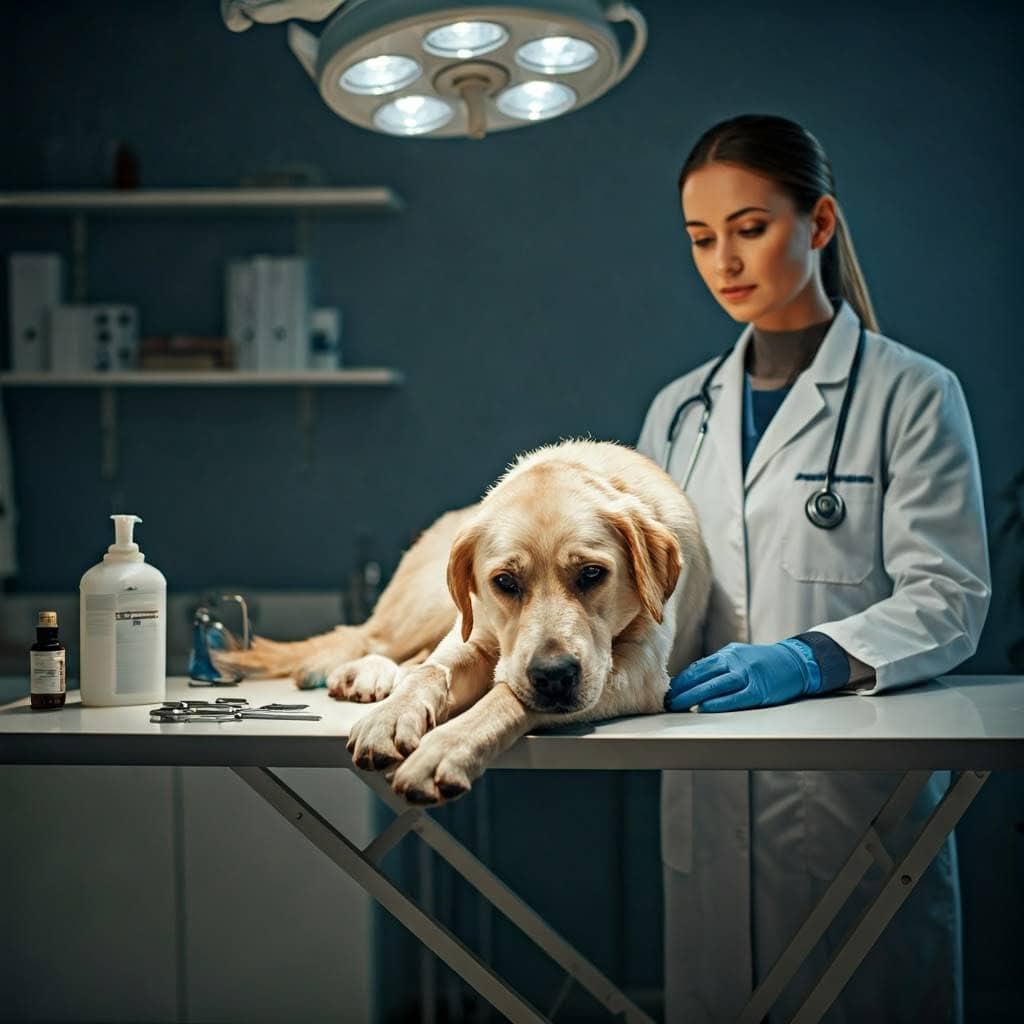
Regular home dental care is extremely important, but alone it is not always enough to keep your dog’s teeth healthy in the long term. Therefore, it is crucial that a veterinarian also checks your pet’s teeth occasionally and performs professional cleaning if necessary.
During the veterinary dental exam, the doctor thoroughly inspects the dog’s teeth, gums, and entire oral cavity to detect any emerging issues early. In many cases, tartar, gingivitis, or even loose teeth can only be recognized by an expert’s eye. Early diagnosis of dental problems is crucial because it can prevent the issue from leading to more serious complications – such as tooth loss or even internal organ diseases.
“Owners often do not even notice when their pet has a toothache because dogs are very good at hiding their pain. Veterinary check-ups help recognize problems in time.”
If the veterinarian sees that your dog’s gums are inflamed, significant tartar has built up, or there are loose teeth, they may recommend professional dental cleaning. This procedure is usually done under sedation because dogs would not stay calm during such thorough cleaning.
During the cleaning, tartar is removed using ultrasonic tools, and the teeth are polished to reduce the chance of new deposits forming. If a tooth is already beyond saving, the vet may suggest its removal as well. Although many owners are concerned about this procedure because of the sedation, it is important to know that it can prevent much more serious health problems later.
- When should you visit the veterinarian? If your dog has bad breath, red or bleeding gums, difficulty eating, or excessively licks its mouth.
- How often is a check-up needed? At least once a year a dental exam is recommended, but for older or more susceptible dogs, every six months may be justified.
- What to expect after cleaning? Your pet will likely need softer food for a while, and the veterinarian may prescribe medication or special aftercare treatment to aid healing.
The veterinary dental exam and cleaning are indispensable parts of dog dental care. Although regular home dental care helps a lot, expert checks ensure that your pet’s teeth stay free of serious problems in the long run. By acting early, you can protect your dog from pain and ensure a happy and healthy life!