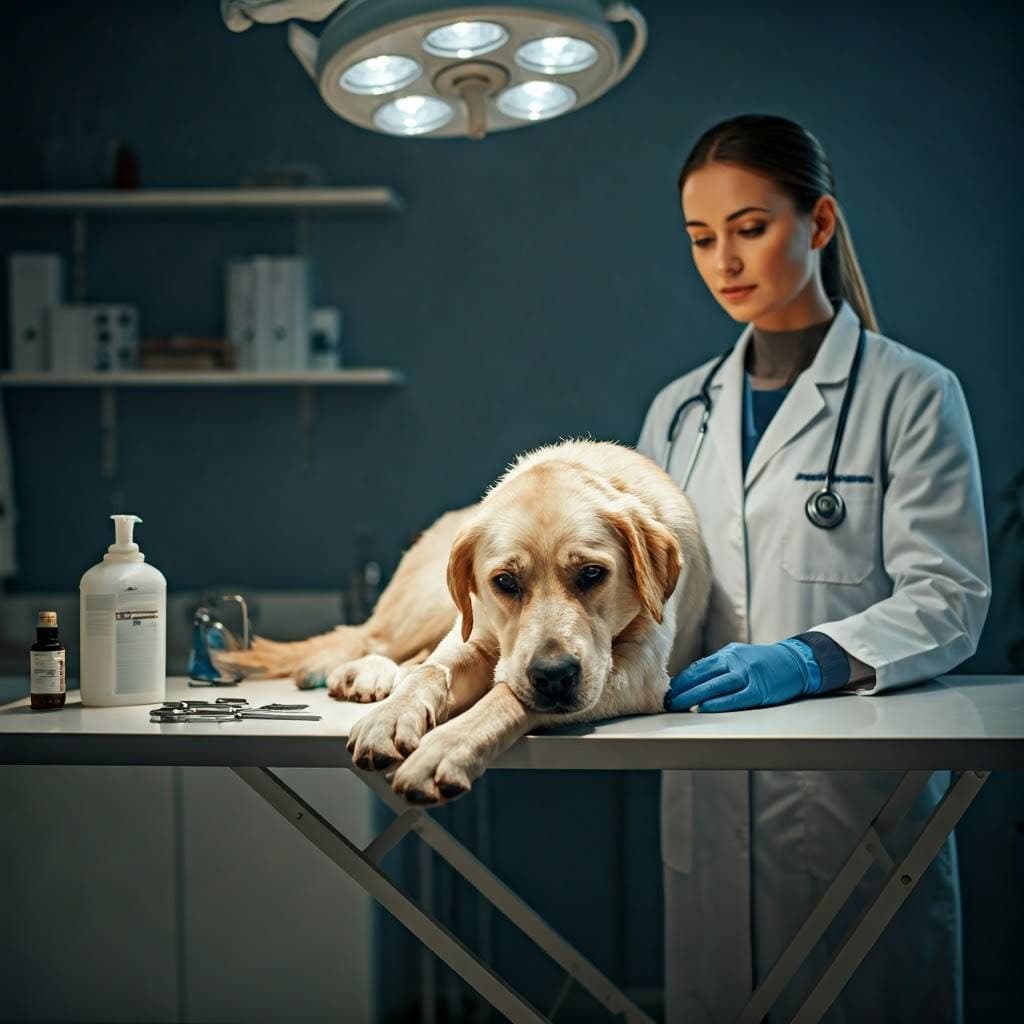
Common Signs of Illness Worth Watching For
If your dog's behavior changes, it can be a clear sign that something is wrong. Animals cannot express pain or weakness with words, so you need to pay attention to the small signs.
Loss of appetite – If your dog used to eat eagerly but now shows no interest in food, this can be a warning sign. Skipping one or two meals may still be harmless, but if they don’t eat properly for days, it’s worth taking seriously.
Lethargy and fatigue – A dog that was previously active but suddenly becomes unwilling and lazy is probably not feeling well. If walks no longer interest them or if they just lie down all day, that is already a warning sign.
Vomiting and diarrhea – Your dog might have eaten something bad, leading to stomach upset. However, if vomiting or diarrhea lasts for days, or if blood is visible, immediate medical attention is necessary.
Coughing, breathing difficulties – A little coughing doesn’t necessarily indicate a problem, but if it is persistent, a deep cough, or your dog has difficulty breathing, this may indicate a serious issue.
Skin and coat problems – If your dog’s skin is red, itchy, develops sores, or if hair falls out in patches, this may be a symptom of infection, allergy, or some internal problem.
Unusual movement – Limping, difficulty moving, or coordination problems can point to diseases that require treatment. If you notice that your dog can’t stand up, or shows pain while moving, don’t delay the veterinary examination.
“Dogs don’t complain, but if you pay attention, their behavior tells you everything.”
Remember, every dog is different! What one handles easily can cause serious problems for another. If you are unsure, it is always better to be cautious and consult an expert.
When is Veterinary Care Urgent?
Sometimes an illness cannot wait, and immediate veterinary care is needed. But how do you know when to rush to the vet? There are symptoms that indicate an emergency, and if you notice these, don’t hesitate!
Severe or persistent vomiting and diarrhea – If your dog vomits multiple times in a row, or diarrhea persists for days, this can lead to dehydration, which can be life-threatening. Especially if you see blood in the vomit or stool, go to the vet immediately.
Difficulty breathing – If the dog is wheezing, gasping for air, has bluish or pale gums, a serious problem may be behind it, such as heart disease, allergic reaction, or lung issues. Don’t wait, as this condition can worsen quickly.
Suspiciously swollen abdomen – The so-called “gastric torsion” is a life-threatening condition where the stomach bloats and twists. This mainly occurs in large breed dogs, and if you notice this – for example, the dog’s belly is hard and swollen, visibly in pain, restless, tries to vomit but cannot – rush to the vet immediately!
Sudden paralysis or movement disorder – If your dog suddenly cannot stand up, drags its hind legs, or loses balance, it could be a neurological problem, spinal injury, or stroke symptom. Time is crucial here!
Loss of consciousness or seizures – If the dog collapses unconscious or has seizures (involuntary twitching, foaming at the mouth, stiffening), urgent care is needed. A single, short seizure doesn’t always mean a big problem, but if it repeats or lasts longer, seek help immediately.
Suspected poisoning – If you suspect your dog has ingested a toxic substance (e.g. chocolate, grapes, rodenticide, medications), it is better to take them to the vet as soon as possible. Symptoms can include vomiting, trembling, confusion, or extreme thirst – all are warning signs.
Severe injuries – If a dog has been hit by a car, has a large cut or broken bone, or has lost a lot of blood, immediate medical intervention is necessary. Even if there are no external injuries, there could be internal damage.
“Better a needless vet visit than ignoring a treatable problem that later becomes more serious.”
If you’re unsure, always ask the vet by phone first! A quick consultation can help determine if urgent care is needed.
Chronic Diseases and Their Treatment
Chronic diseases require long-term care and regular treatment, but with proper care, your dog can live a full, happy life. Many owners are frightened initially when they find out their pet has a lifelong illness, but thanks to today’s veterinary possibilities, there are many ways to ease symptoms and ensure your dog’s wellbeing.
Joint problems and musculoskeletal diseases – Older dogs often suffer from arthritis or hip problems. This can cause pain and limited mobility, but their condition can be improved with appropriate dietary supplements, physiotherapy, and medication. A comfortable, soft bed and avoiding excessive strain are also key.
Chronic skin diseases and allergies – If your dog's skin is constantly itchy, red, or flaky, it may be allergic to something in its food or environment. The veterinarian can help create a special diet and prescribe antihistamines or other medications. Regular bathing with gentle, hypoallergenic shampoo can also reduce symptoms.
Diabetes – Diabetes can occur in dogs as well and requires serious attention. Common symptoms include extreme thirst, frequent urination, weight loss, and fatigue. The veterinarian can determine the appropriate insulin dosage and diet, which you must strictly follow to prevent complications.
Heart diseases – If your dog often coughs, tires quickly, has difficulty breathing, or its tongue turns bluish, it is worth having its heart examined. Although heart problems cannot be completely cured, special medications, restricted activity, and a proper diet can ensure a longer, higher-quality life for your dog.
Kidney disease – Kidney problems are common issues in older dogs. If your dog drinks a lot, urinates frequently, has a poor appetite, loses weight, or vomits, it is advisable to have kidney tests done. Treatment usually consists of a special diet, fluid supplementation, and certain medications.
Epilepsy – If your dog occasionally trembles, convulses, or has seizures, it may be epileptic. Although this can be frightening at first, the veterinarian can control the seizures with appropriate medication so that your dog can live an almost completely normal life.
“Chronic diseases do not mean the end of the world – just a new rhythm of life that you and your dog need to learn.”
The most important thing is to regularly visit the veterinarian for check-ups, follow the treatment recommendations, and monitor your dog's condition. Proper care can give them many long and happy years.
What to bring with you to the veterinarian?
When you head to the veterinarian with your sick dog, it is worth preparing in advance so the examination runs smoothly and the doctor can diagnose as quickly as possible. A well-prepared “veterinary kit” not only makes the vet’s job easier but also helps your peace of mind.
The animal’s previous health data – If you have medical documents, previous test results, or a vaccination booklet, definitely bring them along. This can help the vet get a complete picture of your dog's health status.
Description of symptoms – Try to record exactly when the problems started, what changes you noticed in your dog's behavior, appetite, and activity. Making a short list that includes the symptoms and their duration can be useful.
Samples – If your dog has digestive problems, such as diarrhea or bloody urine, it is worth bringing a sample to the doctor. A clean plastic container or a well-sealed bag makes examinations easier.
Dog’s favorite treats – A visit to the veterinarian can be stressful for your dog, so a few small treats or a favorite chew can help calm and reward them after the examination.
Leash, carrier, towel – Even if your dog is calm, the presence of other animals in the waiting room can make them excited or nervous. A leash or, for smaller dogs, a carrier is definitely necessary. A towel can be handy if the weather is wet or muddy, or if your dog tends to vomit during travel.
Notebook or phone – The vet will give you a lot of useful advice and explain the details of the treatment. It is a good idea to note down the important things or even write them in your phone’s note-taking app to be sure you don’t forget anything.
Payment options – Sometimes the cost of an unexpected veterinary examination can be surprisingly high. It is worth finding out in advance what payment methods the clinic accepts, and if necessary, bring enough cash or a bank card.
“A well-prepared veterinary visit not only makes the whole process faster but also less stressful – for you and your dog alike.”
If you bring all of this with you, you can be sure that all important information will be at hand, and the veterinarian will be able to provide the best possible care for your pet.
How can you support your dog's recovery?
When your dog is sick, proper care and support are essential for a faster and more complete recovery. Besides treatments, your role is also key because you are the one who looks after them daily and helps their healing.
Providing a comfortable resting place – A sick dog needs peace and rest. Provide a soft, warm bed, preferably in a quiet, calm place where household noises or other pets do not disturb them.
Proper nutrition – Eating is especially important for a sick animal. If the veterinarian has recommended a special diet, follow it! If your dog has no appetite, try giving easily digestible foods such as boiled chicken and rice. It is important they also consume enough fluids, so offer fresh water, or if necessary, flavored broth.
Accurate administration of medication – If the vet prescribed medication, follow the dosage instructions exactly and do not miss a single dose. If your dog has difficulty taking pills, hide them in a small piece of food, like cheese or meat. If you need to give liquid medicine, use the provided dispenser and gently squirt it into their mouth.
Calm environment – Stress and excitement can slow down recovery. If you have other pets or young children in the house, try to create a calm environment for your sick dog. Allow them to rest more, and avoid unnecessary noise or movement around them.
Walks and exercise – During the recovery period, it is important not to overexert your dog. If the vet allowed short walks, keep them brief and calm. However, if resting is advised, do not let your dog jump or run around.
Frequent monitoring – Observe your dog's condition every day. Note changes in symptoms such as temperature, appetite, or wound healing. If you notice any deterioration, contact the veterinarian immediately.
Love and care – Dogs also feel when they receive support and love. If your pet is unwell, provide their usual petting, speak to them in a calm voice, and be there for them when they need you.
“For a sick dog, the owner's closeness and care are just as important as medical treatment.”
Patience and attentiveness are key during recovery. If you take all necessary steps, your dog will soon be wagging its tail happily again!