Causes of Obesity in Dogs
Did you know that dogs can also be prone to gaining extra pounds, just like us humans? Indeed, obesity is not just an aesthetic problem – it carries serious health risks, such as cardiovascular diseases, joint problems, or even diabetes. But what exactly leads to a dog becoming overweight?
One of the most common causes is unhealthy nutrition. If your pet is regularly fed high-fat and high-carbohydrate foods, or if it receives too much human food, obesity can easily result. Moreover, many owners tend to give more food than really necessary, yielding to the dog's begging look.
Another major culprit is lack of exercise. The modern lifestyle affects not only us but our pets as well. If the dog spends most of its days indoors and only gets short walks, the excess energy is stored as fat in its body. This is especially important for dogs kept in apartments, as physical activity is essential for weight control.
Of course, we must not forget about genetics either. Some breeds are more prone to obesity, such as Labrador Retrievers, pugs, or dachshunds. For them, it is particularly important to pay attention to diet and regular exercise.
“Just a little bite, what harm can it do?” – unfortunately, this thought often leads to a dog starting to gain weight without the owner noticing.
Hormonal problems can also contribute to obesity. If a dog has been neutered, its metabolism may slow down, making it easier to gain extra pounds. The same applies to certain diseases, such as hypothyroidism, which can also cause weight gain.
If you recognize these causes, you have already taken half the first step toward keeping your pet healthy and fit. The next step is to develop a well-considered diet that helps prevent weight gain.
Developing an Appropriate Diet
Developing a proper diet is key to keeping your dog healthy and fit. It is not enough just to give less food; it is important to provide a nutrient-rich, balanced diet.
First of all, make sure the composition of the dog food is appropriate. It is best to choose food that is high in protein and low in carbohydrates and fats. Cheaper, low-quality foods are often filled with grains and artificial additives, which can contribute to weight gain.
The number and amount of daily meals should also be planned well. For most dogs, two meals a day is ideal, but the portion should always be adjusted according to the dog's age, breed, and activity level. If you are unsure, it is worth consulting a veterinarian to determine the appropriate portion size.
Don’t forget about fresh ingredients! Many owners like to complement their dog's diet with vegetables and lean meats. These are not only healthy but also make meals more varied. For example, carrot, pumpkin, or broccoli can be excellent supplements, but always be careful never to give anything toxic to your dog, such as onions or grapes.
Feeding times should also be made regular so the dog’s body gets used to a stable daily rhythm. If it always eats at the same time, it is less likely to beg after snacking, and its metabolism will also remain balanced.
“A good diet is not about taking something away from your dog, but about providing the best quality nourishment for it.”
Do not forget about hydration either! Your dog should always have fresh, clean water because proper fluid intake is essential for healthy digestion and metabolism.
- Choose premium quality, meat-rich food.
- Do not feed unnecessarily with carbohydrate-rich foods.
- Monitor food portions and adjust to your dog’s activity level.
- Give vegetables and natural ingredients for variety.
- Always provide sufficient fresh water.
If you follow these tips, you will have done a lot to help your pet avoid obesity. Alongside the diet, exercise is also key, as the two together bring the best results.
The Importance of Regular Exercise
Exercise is not only good for your dog to release energy – it is essential for its health as well. Just like in humans, regular physical activity helps dogs prevent obesity and associated diseases, such as joint problems, diabetes, or cardiovascular diseases.
But how much exercise does a dog need? Well, this largely depends on the dog's breed, age, and health condition. A border collie or a vizsla, for example, requires a lot of activity, while a pug or a bulldog can feel good with less exercise. However, every dog needs a certain amount of physical activity daily to stay healthy.
- Smaller or less active dogs: 30-45 minutes of exercise per day, such as a light walk or play.
- Larger, more energetic breeds: 1-2 hours of intense physical activity daily, such as running, agility, or longer hikes.
- Older dogs: Less strenuous but regular exercise, such as shorter walks or swimming, to avoid overloading their joints.
Consistency is key. If your dog gets used to being walked or playing at roughly the same time every day, not only will its activity be more balanced, but so will its behavior. A dog lacking exercise can easily become overweight and even hyperactive or destructive.
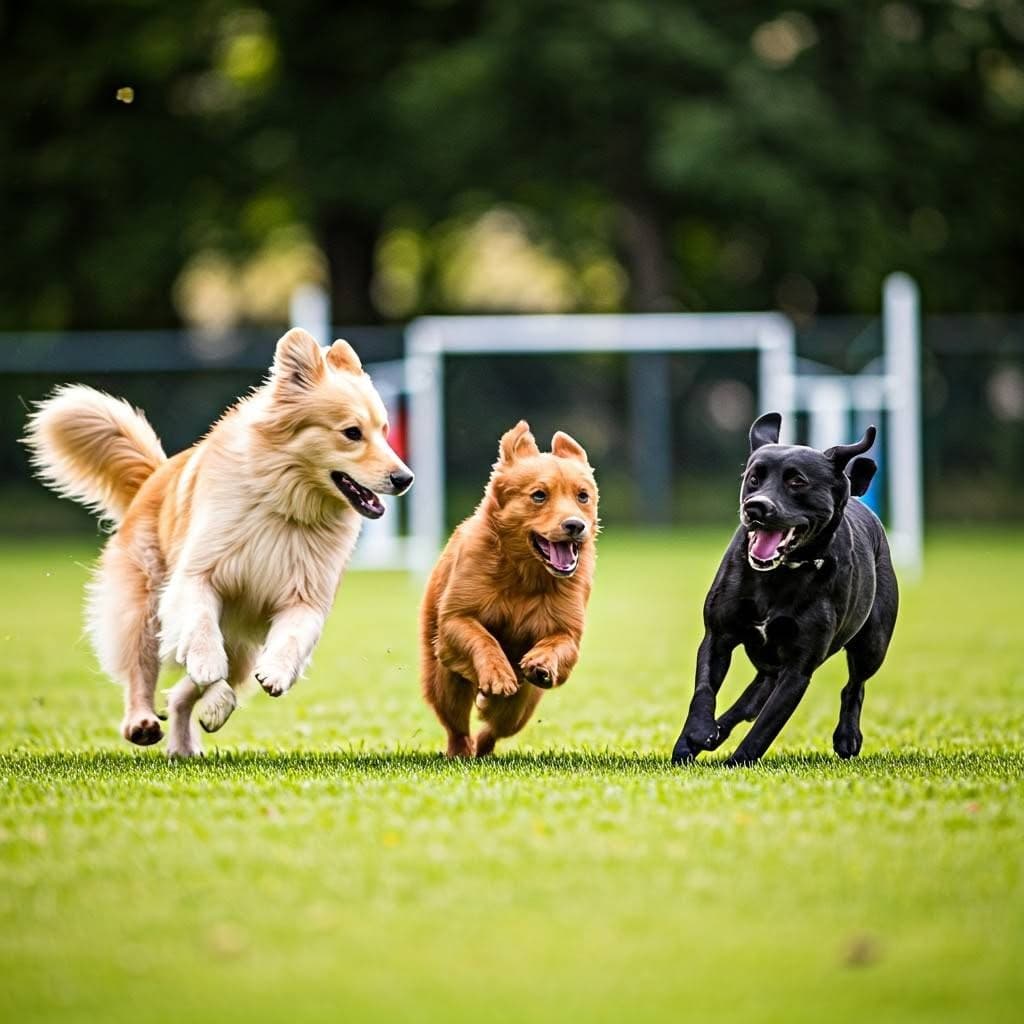
If you go out into nature, try new routes, forest trails, or dog parks. A new environment not only provides physical activity but also mentally stimulates the dog. If possible, allow it to run freely in a safe environment – of course, only if it responds well to recall.
“A tired dog is a happy dog” – the saying goes, and how true it is! After a thorough walk or run-around, your pet will be calmer and more balanced.
Don’t forget the importance of play either! You don’t always have to go on long walks; a good game of fetch, chase, or tugging is also a great way to exercise your dog. If you have little time, you can even creatively tire it out at home: hide treats, teach new tricks, or let it work on an interactive toy.
If your dog hasn’t been used to regular exercise until now, start gradually! First with shorter walks, then slowly increase the duration and intensity. Watch how it reacts to exercise, and if it seems tired or unmotivated, give it a rest.
Exercise is therefore not only crucial for maintaining proper body weight but also for keeping your dog happy and balanced. But what about treats between meals? Should you pay attention to their quantity? This will be discussed in the next section.
Controlling Treats and Portions
Your dog deserves a little treat after every trick, right? But beware! Treats can easily lead to overfeeding if you don’t watch the portions. Many don’t even realize that these little snacks add up to a significant amount of calories over time, which can contribute to weight gain.
How can you limit treats without discouraging your dog? First, it’s worth knowing how many extra calories your dog gets with these snacks. For example, if the daily food portion is around 500 calories, and it receives an additional 100-200 calories as treats, it has already exceeded the necessary intake.
“A treat can be motivation, but if you’re not careful, love will show up in the form of a few extra pounds.”
Second, choose the right treats! Many store-bought treats are high in calories and loaded with artificial additives and sugar. Instead, try natural alternatives, such as:
- Small pieces of carrot
- Cooked, boneless chicken breast (filleted)
- Apple slices (without seeds and core)
- Cucumber or zucchini
- Low-calorie, natural ingredient treats available in stores
Besides quantity, timing also plays a key role. When using treats for discipline and training, always give them in small pieces. If you give a larger piece at once, the dog will be just as satisfied as if it received many small ones – only it will consume more calories unnecessarily.
Also, consider the daily portions! If you know your dog gets several treats throughout the day, reduce the amount of its main meals accordingly. This way, you can avoid hidden overeating. For example, if it receives an extra 50-100 calories due to training or rewards, cut back a bit on its dinner.
It’s important that other family members are also aware of treat portioning! If one of you gives the dog a bite and another also “just one,” by the end of the day, it might have exceeded the ideal calorie amount. Make a small chart or measure out a daily amount and only distribute from that.
As an alternative method, you can also use other rewarding tools, such as praise, petting, or playing together. Your dog is often just as happy with a kind word or a little ball game as with a treat!
If you pay attention to control, your dog can enjoy treats without gaining unnecessary pounds. The next step is to maintain their ideal weight in the long term!
Maintaining the ideal weight
After you have managed to reach your dog's ideal weight, the biggest challenge is to keep it in the long term. This requires balancing diet, exercise, and rewards.
First of all, regularly monitor your dog's weight and body condition. You don't need to weigh them weekly, but it's worth checking once a month to ensure there are no significant changes. If you can no longer feel their ribs with gentle pressure, or if their waist is beginning to disappear, it might be time to reconsider their diet and exercise habits.
"Weight gain in dogs can be sneaky – one day they're still fit, and the next moment they're carrying extra pounds while looking for your hand to pat their tummy."
Maintaining a daily routine is also crucial. If you have already established a healthy diet and exercise program, stick to it! Many owners tend to 'get lazy', and if a walk is missed one day, then perhaps also another day, a less active lifestyle can quickly develop, which sooner or later leads to extra pounds.
Here are some things to pay attention to when maintaining weight:
- Maintain the daily feeding routine, avoiding overfeeding.
- Check the amount of treats and always include them when calculating daily portions.
- Ensure daily regular exercise, despite the weather or your own tiredness.
- Try to introduce variety in exercise types so your dog doesn't get bored.
- Visit the veterinarian occasionally for a professional check-up of your pet's condition.
If you notice that your dog is starting to gain weight, act immediately! Even a little extra weight can reduce energy levels and make health problems more likely. Slightly reduce portion sizes, increase exercise, and if necessary, consult a veterinarian or nutrition expert.
Remember, the goal is not a strict diet or tough workout plan, but to develop a balanced, sustainable lifestyle that serves your dog's happiness and health! If you are consistent, your pet will remain fit and energetic in the long term.