
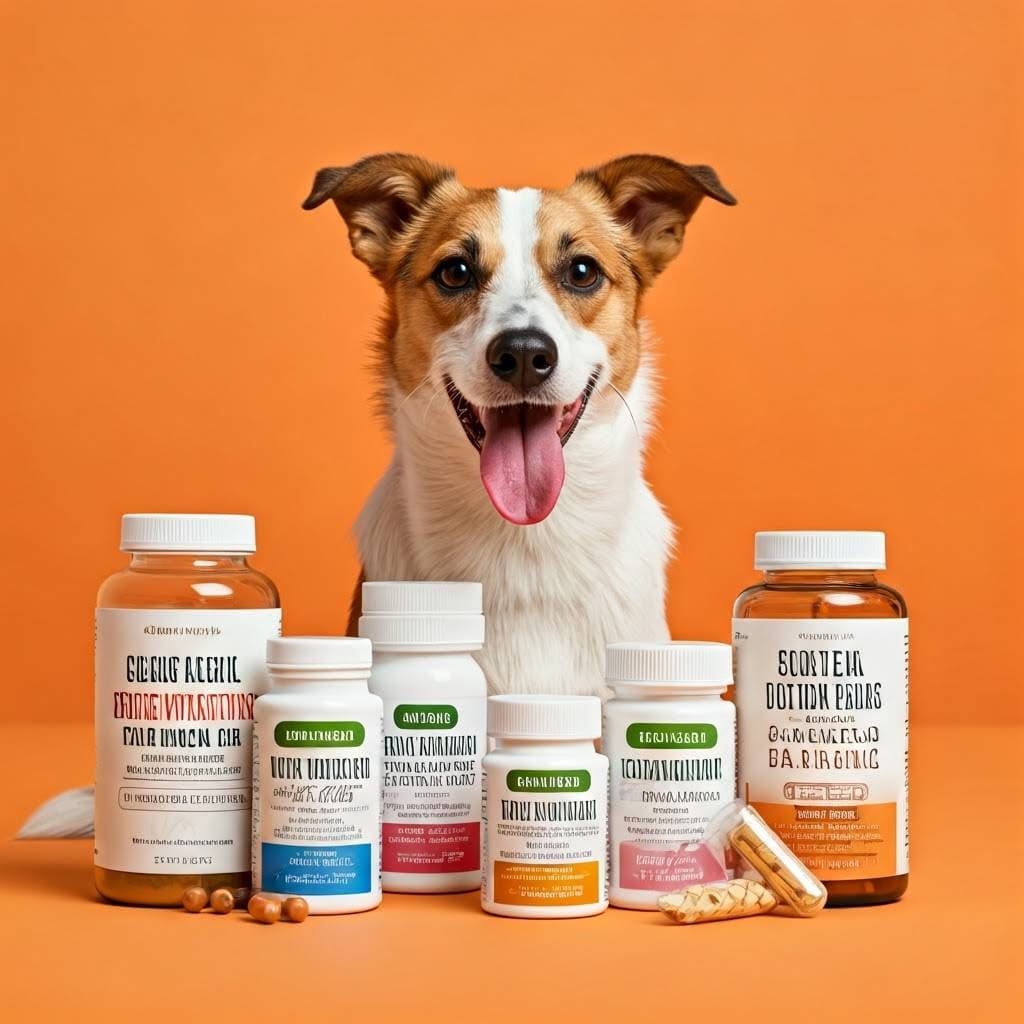
Important Vitamins and Minerals for Dogs
Vitamins and minerals are essential parts of a healthy and balanced diet for dogs. These nutrients support the immune system, contribute to maintaining a beautiful coat and strong bones, and help prevent various diseases. Let’s look at the most important vitamins and minerals your pet needs!
Vitamin A – Vitamin A is crucial for vision, the immune system, and cell growth. Its deficiency can lead to skin problems and vision deterioration. It is abundantly found in liver, fish oil, and egg yolks.
B Vitamins – The group of B vitamins supports the nervous system, metabolism, and maintenance of energy levels. Vitamins B1, B6, and B12 are especially important for proper muscle function and nervous system health. These can be provided to your pet with meat, liver, and whole grains.
Vitamin C – Although dogs’ bodies can produce vitamin C, supplementation can be beneficial for older or sick animals. This antioxidant supports the immune system and slows down aging processes.
Vitamin D – Responsible for bone health and calcium absorption. Since dogs do not always get enough vitamin D from sunlight, it may be important to supplement it, especially during winter or in indoor lifestyles.
Vitamin E – Vitamin E has antioxidant properties, helps protect cells, and supports skin and coat health. It is found in foods like vegetable oils, nuts, and leafy greens.
Vitamin K – An essential vitamin for blood clotting. Its deficiency can cause bleeding tendencies; therefore, it is important that your dog gets enough vitamin K through the consumption of leafy greens and meats.
Besides vitamins, minerals also play a key role:
- Calcium and Phosphorus – For proper bone and teeth health, it is important that these two minerals are balanced in the dog’s diet.
- Iron – Essential for oxygen transport and blood formation. Red meats, organ meats, and fish are excellent sources.
- Zinc – Supports skin and coat health and strengthens the immune system.
- Magnesium – Necessary for proper muscle and nervous system function.
- Selenium – Helps antioxidant defense and contributes to healthy metabolic processes.
When creating the right diet, it is worth considering that the dog receives all necessary vitamins and minerals in appropriate amounts. For this, you can use balanced, high-quality foods or natural sources.
The Best Supplements for Different Health Goals
Supplements developed for dogs can also be suitable for preventing and treating various health problems. They can complement the diet with important nutrients that may contribute to the health of bones, joints, digestion, or even the immune system. Let’s see which supplements can be the most useful for different purposes!
Joint and Cartilage Supporters
- Supporting joints is especially important for older dogs or large breeds. Supplements containing glucosamine, chondroitin, and MSM can help maintain cartilage health and improve mobility.
- Green-lipped mussel extract is a natural source of nutrients supporting joints, helping to reduce inflammation and pain.
Digestive Support Supplements
- Probiotics and prebiotics help maintain a healthy gut flora, particularly useful if the dog has digestive problems or is undergoing antibiotic treatment.
- Pumpkin powder or other fibers support digestion, especially useful for constipation or diarrhea.
- Natural digestive enzymes can help break down food properly, improving nutrient absorption.
Immune-Boosting Supplements
- Fish oil is rich in omega-3 fatty acids, which have anti-inflammatory effects and support the immune system.
- Spirulina and other natural antioxidants can help strengthen the immune system and increase the dog’s resistance to diseases.
- Royal jelly and colostrum are natural immune boosters, recommended for weakened or elderly dogs.
Skin and Coat Care Supplements
- Regular supplementation of omega-3 and omega-6 fatty acids helps maintain the health of the dog’s skin and coat, reducing itching and dandruff.
- Biotin contributes to the shine of the coat and skin regeneration.
- Vitamin E and zinc can also help keep the dog's skin healthy and reduce the chances of allergic reactions.
Cardiovascular support
- Taurine and L-carnitine are especially important for maintaining heart health, particularly for older dogs or breeds prone to heart disease.
- Antioxidants, such as coenzyme Q10, support heart function and help prevent age-related issues.
- Regular administration of fish oil reduces inflammation and contributes to healthy blood circulation.
Stress and anxiety-reducing supplements
- Natural supplements containing chamomile and lavender can help calm anxious or hyperactive dogs.
- L-tryptophan is a natural amino acid that can contribute to balanced behavior and reduce stress.
- CBD oil is becoming an increasingly popular natural supplement that can help maintain calmness and manage anxiety.
When choosing supplements, it is always worth considering your pet's unique needs and consulting with a veterinarian to ensure you select the most appropriate product for them.
Tips for choosing the right supplements
Selecting the right supplements is key to maintaining your dog's health. However, due to the vast range available, it is not always easy to decide which product is the best choice. Here are some factors to consider when looking for a supplement for your pet.
Recognize your dog's unique needs
- Every dog has different health needs that determine which supplements they may require. For example, older dogs might need joint-supporting ingredients, while active or sporting dogs may require higher amounts of energy and muscle-supporting nutrients.
- If your dog is prone to skin problems, supplements containing omega fatty acids can help, whereas dogs frequently facing digestive issues might need probiotics and prebiotics.
- In case of illnesses or genetic predispositions, special supplements can support the dog's health – for example, taurine and coenzyme Q10 are recommended for heart problems.
Choose a quality product
- Always select supplements made from natural and premium quality ingredients. Avoid products containing artificial additives, colorants, and preservatives.
- Look for well-known and reliable brands that guarantee safe and pure ingredients and have certifications approved by veterinarians.
- Check the analytical data provided by the manufacturer to ensure the product actually contains the necessary vitamins, minerals, and other active substances.
Pay attention to dosage
- Every supplement has a precise dosage guide that should be strictly followed. Excessive intake of vitamins or minerals can be just as harmful as deficiency.
- Small dogs require different amounts than large dogs, so it is important that the product's dosage is adjusted accordingly.
Consult with a veterinarian
- Before giving your dog a new supplement, it is always worth consulting a veterinarian. Consultation is especially important if the dog already has an illness or is on medication.
- The veterinarian can help determine which supplement would be the most beneficial and avoid unnecessary or potentially harmful combinations.
Observe your dog's reaction
- Every dog is unique, so it is worth monitoring how they react to a given supplement. If you notice any allergic reactions, digestive problems, or other negative symptoms, stop using the product immediately and consult a veterinarian.
- Do not expect immediate miracles – the effects of certain supplements appear over weeks or even months, so patience is necessary.
Choosing the right supplement can greatly contribute to your dog living a long and healthy life. With conscious decision-making and consideration of your dog's individual needs, you will surely find the best solution for them.