
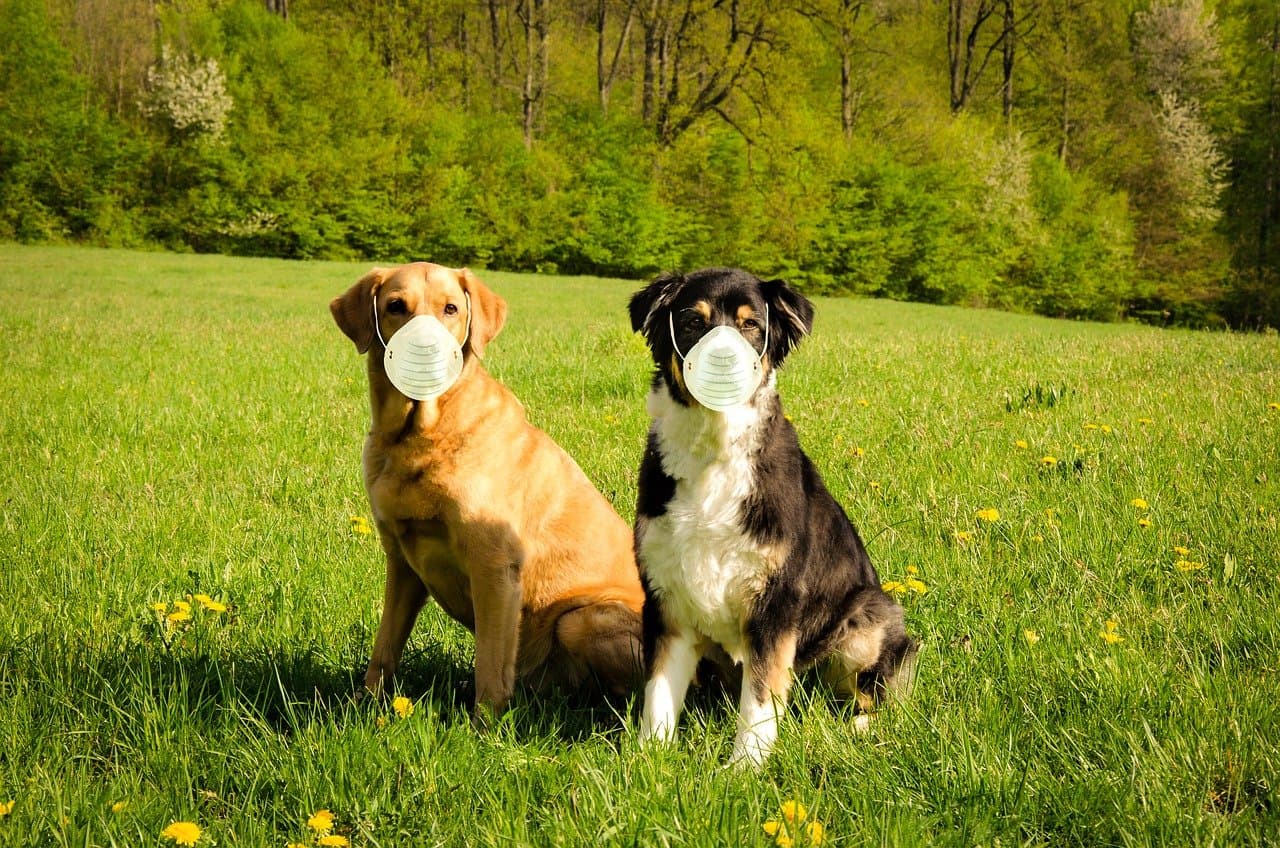
What are coronaviruses?
A group of viruses that can cause many symptoms characteristic of common colds, such as runny nose, cough, sore throat, and fever. Some viruses are mild, like the common cold, while others can cause pneumonia. They generally spread through direct contact with an infected person.
The coronavirus got its name from the crown-like spikes on its surface (the Latin word “corona” translates to “crown”). The coronavirus genus consists of at least three groups that cause mild to severe intestinal, lung, or immune system diseases. Other well-known coronaviruses include SARS and MERS.
Are coronaviruses found in animals?
Coronaviruses are common in some domestic and wild animal species, such as cattle, horses, dogs, cats, ferrets, camels, bats, and others.
Did COVID-19 spread from animals to humans?
Although not common, coronaviruses can transmit from animals to humans. Bats can carry viruses that cross species barriers to infect humans and other domestic and wild mammals.
During the two previous major coronavirus outbreaks that infected humans, the carriers responsible for transmission were the masked palm civet (SARS) and the dromedary camel (MERS).
Public health officials and their partners are working hard to determine the animal source of the new coronavirus from 2019 (2019-nCOV), now officially called COVID-19 or coronavirus disease. The initial infections were linked to a live animal market in China, but the virus now spreads from person to person.
Can my pet catch the COVID-19 coronavirus?
Organizations such as the AVMA and the World Organisation for Animal Health currently have no evidence that animals like dogs and cats can become ill from this virus. It is important to consider that viruses sometimes infect a species without causing disease in that species, and are not transmissible to others.
In the second half of February 2020, Hong Kong authorities quarantined a dog after nasal and oral samples from the dog tested “weakly positive” for the virus. The dog’s owner tested positive for COVID-19. Authorities believe this case was an instance of transmission from human to animal but emphasize that this is not cause for concern. The dog showed no signs of illness. After some time, the dog’s test became negative and it was released from quarantine. The dog later died, which experts believe was due to other health issues, likely related to its old age (it was 17 years old!).
Besides this, only one other case involving a dog has been recorded in Hong Kong, where the dog’s COVID-19 test was also positive, as was the owner’s. Responding to other global health authorities, Hong Kong officials state that there is currently no evidence that pets can be sources of COVID-19 for humans or that the virus can cause disease in dogs.
Considering risk factors, if for example your dog is usually indoors and does not come into contact with other dogs or people, and no one in the household is infected with COVID-19, the chance of your pet becoming infected is very low, if at all possible.
The IDEXX Veterinary Diagnostic Services reported on March 13, 2020, that during the validation of its newly developed veterinary test system for the COVID-19 virus, it evaluated thousands of samples from canids and felids and found no positive results. The samples used to develop and validate the test were obtained from other samples submitted to IDEXX Reference Laboratories for necessary veterinary PCR testing. Although this is good news, it is important to note that they did not specifically investigate cases where animals had contact with confirmed COVID-19 positive humans.
Can my pet infect me with COVID-19?
According to the CDC, “there is currently no evidence that pets spread COVID-19 or are a source of infection.”
Transmission primarily occurs from person to person when someone comes into contact with the bodily secretions of an infected person, such as saliva or mucus droplets during coughing or sneezing. Transmission can also occur by touching a contaminated surface or object (also called a fomite), and then touching our mouth, nose, or eyes. Smooth (non-porous) surfaces (tabletops, doorknobs) transfer viruses better than porous materials (animal fur), because porous and fibrous materials absorb and retain viruses, making it harder to catch the disease by simple touch.
If you want to be very cautious, do not allow anyone other than those currently living in your household to pet your pets – except, of course, if your pet needs veterinary assistance. Since we are all asked to keep a 1.5 meter distance from each other when leaving our homes, this does not seem impossible to achieve.
For even greater caution, if you have fallen ill with COVID-19, limit contact with your pets and other animals just as you would with other people in this situation. When possible, another person living in the same household should take care of your animals while you are sick. Avoid direct contact with pets, including petting, cuddling, kissing, or licking. If you must care for your pet or be around animals while ill, wash your hands before and after contact with animals (since they cannot do this), and wear a face mask.
To maintain everyday health, it is always a good idea to wash your hands with soap and water after touching pets to avoid the transmission of commonly spread pathogens like E. coli and Salmonella.
What should I do if my pet needs veterinary assistance?
If your pet needs a vet, please first consult with your veterinarian by phone, and only take your pet to the clinic in person if necessary.
For protection against respiratory diseases, vaccinate your pet against Bordetella, parainfluenza, and canine influenza, which are the most common vaccine-preventable respiratory diseases in pets.
Your veterinarian will help determine which vaccines your pet needs, taking risk factors into account.
Is there a COVID-19 coronavirus vaccine that my pet can receive?
Currently, there is no vaccine developed for pets. In our country, you can register for vaccines available for humans here: vakcinainfo.gov.hu.
Let’s take care of each other and our pets!