Tracking your dog's water intake can improve health and prevent the development of diseases. In this article, we examine how much drinking water your dog should consume daily to keep their body continuously hydrated!
The optimal amount of drinking water for your dog
How much water should a dog drink daily? This depends on many factors that every dog owner should consider. Let's review these now!
- Size: A healthy dog should consume 40 – 50 milliliters of water per kilogram of body weight daily (the normal level is between these two values).
- Nutrition: A healthy diet is just as important as water. The type of food greatly influences water intake. Dogs fed dry dog food require more drinking water. One good tip is to avoid ingredients in your dog's diet that artificially increase their thirst, such as sodium! If you cook for your pet instead of feeding dry food, avoid salty and spicy foods!
- Age: Puppies need about half a cup of drinking water every two hours. If you have a puppy, monitor its water consumption!
- Exercise: Any kind of physical activity, training, or play will make your dog thirsty, so always ensure proper water replenishment and offer them drinking water! After any intense exercise, training, play, or work, your dog will need more drinking water than usual! Provide drinking water to prevent overheating or dehydration!
- Weather: Summer is a higher risk factor, dogs drink more water! Pay extra attention to your dog's hydration level in the summer!
- Medications: If your dog is prescribed new medication, discuss with your veterinarian how the prescribed medicine may affect your dog's water needs and whether you need to increase or decrease the amount of drinking water due to the medication!
Checking dogs for dehydration
You can effectively check your dog's hydration or dehydration by lifting the skin at the back of the dog's neck and then quickly releasing it. Properly hydrated skin quickly snaps back into place, while the dehydrated (consumed little water, dried out) dog's skin returns slowly and forms a "tent" during the process. You can also check the dog's gums: moist, slippery gums indicate good hydration, while dry, sticky gums point to dehydration.
Symptoms of dehydration and overhydration
Dehydration, commonly known as drying out. A dehydrated dog's nose and mouth are dry, urine is dark, it vomits, has diarrhea, its gait is weak and uncertain, skin is dry and inflexible, and eyes are sunken.
Overhydration, or excessive water intake, is called water poisoning. Overhydrated dogs lose their coordination, stagger, are often confused, lethargic, vomit, drool excessively, have dilated pupils, and glassy eyes.
Ensuring proper hydration
Knowing the amount of water your pet consumes daily helps determine if your dog under-drinks or over-drinks. Here are some methods to manage these conditions!
Under-drinking
- Behavior modification: When your pet goes to drink, praise them and give a treat.
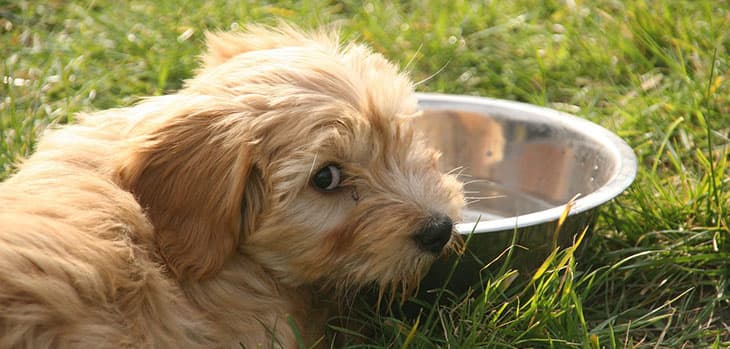
- Strategic placement: Place multiple water bowls, especially in your dog's favorite spots, to encourage drinking.
- Broth for hydration: If your dog refuses to drink enough water, try giving chicken or beef broth daily, gradually diluting it with water over time.
Over-drinking
- Use a water bottle: Water bottles like those used for horses can limit your dog's water intake. Using these also allows you to monitor how much water your dog consumes.
- Automate: Use an automatic water dispenser!
Clean water for your dog
To ensure water supply is properly protected for both humans and dogs, clean up after your dog. Providing a healthy diet and sufficient amounts of clean water can prevent diseases and promote a healthy life!
Please share this post with your friends and other dog lovers, as it may also be useful for them! Thank you! 🙂
.
More useful and valuable articles for dog lovers can be viewed on the author's official website.
Find Vámosi Ildikó dog article writer, author's official website:
Http://ildikovamosi.hu/
🙂 Thank you if you honor me with your visit! 🙂