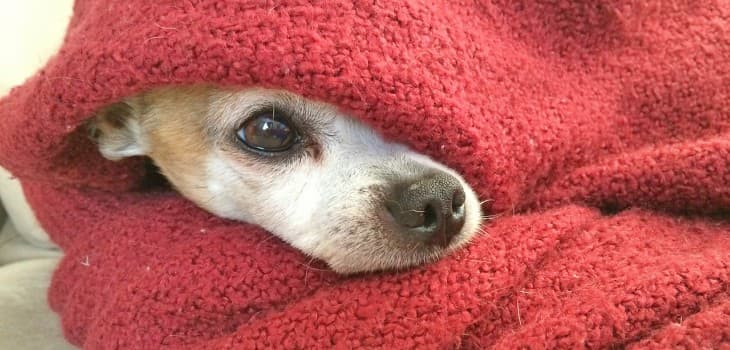
A hideg időjárás beköszöntével kutyáink fokozottabb figyelmet és védelmet igényelnek. A lehűlés, az alacsony testhőmérséklet az összes fajtájú, méretű és korú kutyát veszélyeztetheti. A test hőszabályzó központja a külső hatásokkal dacolva próbálja fenntartani az ideális belső hőmérsékletet.
Hipotermia akkor jelentkezik, mikor egy állat teste már nem képes fenntartani a normális hőmérsékletet. A lehűlés során a szervezet több hőt ad le, mint amennyit termelni képes, extrém esetekben a test hőmérséklete radikális változásokat is szenvedhet.
A hipotermia a központi idegrendszer depressziójához vezet, továbbá hatással van a szívműködésre és a véráramlásra, a légzésre és az egész immunrendszerre. Egy szabálytalan szívverés légzési nehézséggel kombinálva eljuttathatja az állatot arra a pontra, amelyből már nincs visszaút.
A hipotermia 3 fázisa:
- Enyhe: 32 – 35 C° közötti testhőmérsékletnél
- Középsúlyos: 28 – 32 C° közötti testhőmérsékletnél
- Súlyos: 28 C° alatti testhőmérsékletnél.
Tünetek és típusok – Mire figyelj!
A hipotermia tünetei a veszély súlyosságától függően változhatnak. Első jelei a sápadtság és az erős reszketés. Az enyhe hipotermiában szenvedő kutyáknál gyengeséget, reszketést és mentális kábultságot tapasztalni.
Ezt követheti a kedvetlenség, a letargia és a fagyás, mely főképp az alábbi testrészeket veszélyezteti: farok, fül, herezacskó és a talppárnák. A középsúlyos hipotermia további jellemzői még az izommerevség, az alacsony vérnyomás, a lassú légzés és a kábulat-szerű állapot.
Súlyos hipotermiában kitágult fix pupillák, alig hallható szívverés és légzési nehézségek jelentkeznek. Ha időben nem kezelik, szívelégtelenség és kóma alakulhat ki.
Elsődleges okok
A hipotermia a következő esetekben bármikor előfordulhat:
- Főképpen túl hideg hőmérséklet esetén
- Vizes szőrzet és bőr esetében
- Időtöltés hideg vízben
- Hosszú időtartamú altatás után
Kockázati tényezők
A kisebb kutyafajták és a nagyon fiatal állatok hajlamosabbak a testük felszínéről gyorsan elveszíteni a hőt, ezért ők nagyobb kockázatnak vannak kitéve, csakúgy, mint az idős kutyák. Az újszülöttekre szintén nagyon oda kell figyelnünk, főképp az első két hétben, mert ők normál hőmérsékleti tényező mellett is gyorsan lehűlhetnek.
Hosszú időtartamú altatás esetén nagyobb a kockázata a hipotermia kialakulásának, ezért ha kutyánknál valamely ok miatt (műtét, vizsgálat) altatásra kerül sor, előzőleg mindenképpen konzultáljunk az altatást végző állatorvossal.
Különböző megbetegedések esetén szintén nagyobb a kockázati tényező, például a hipotalamusz megváltozott hőszabályozó képessége esetén, valamint pajzsmirigy alul működésnél szintén.
Elsősegélynyújtás
Ha hipotermia gyanúja merül fel, a kutya testhőmérsékletét mérjük meg egy hőmérővel. Amennyiben enyhe hipotermiát észlelünk, kövessük az alábbi lépéseket:
- Melegítsünk át egy takarót vagy bármely ruhát a fűtőtesten.
- Tekerjük a kutyát a takaróba vagy ruhába.
- Tekerjünk törölközőbe egy forró vizes palackot és helyezzük el a kutya hasán. Ne közvetlen használjuk a kutya hasára, mert megégetheti a bőrét.
- Ha a kutya eszméleténél van, adjunk neki meleg folyadékot inni.
- Ellenőrizzük a kutya testhőmérsékletét 10 percenként, ha nem éri el a 36.7 C° fokot, azonnali állatorvosi segítség szükséges.
- Ha a hőmérséklet meghaladja a 37,8 C° fokot, távolítsuk el a kutyáról a forró vizes palackot a túlmelegedés elkerülése érdekében.
- A továbbiakban tartsuk a kutyát meleg szobában.
Állatorvosi kezelés
Amennyiben kutyánk testhőmérséklete nagyon lecsökkent és súlyosabb hipotermiát észlelünk, azonnali állatklinikai ellátás szükséges. A klinikai vizsgálatok során ellenőrzik a kutya légzését, szívverését, valamint EKG-val a kutya kardiovuszkuláris állapotát.
A vizeletvizsgálat és a vérvizsgálat is általánosan használt diagnosztikai vizsgálatok, melyek felfedhetnek olyan betegségeket, mint az alacsony vércukorszint vagy az anyagcserezavarok.
Megelőzés
A hipotermiát megelőzhetjük, ha nem tesszük ki kutyánkat a tartósan hideg időjárás környezeti hatásainak. Ez különösen a magas kockázatú kutyák esetében fontos!
Tényezők, melyek növelik a hipotermia kockázatát:
- Nagyon fiatal vagy idős kor
- Alacsony testzsír
- Pajzsmirigy alul működés
- Altatás
A rövid szőrű illetve szőrtelen kutyafajtáknak kutya ruhák, dzsekik, csizmák és egyéb kiegészítők használatával segíthetünk a hideg, téli időjárást átvészelni!
Hogy elkerüld a hipotermia kialakulását fokozottan figyelj kutyádra a hideg, téli hónapokban.
Kérlek, oszd meg ezt a bejegyzést barátaiddal és más kutyabarátokkal is, mert számukra is hasznos lehet! Köszönjük!
.
További hasznos és értékes cikkek a kutyák szerelmeseinek a szerző hivatalos honlapján tekinthetők meg.
Keresd Vámosi Ildikó kutyás cikkíró, szerző hivatalos honlapját:
Http://ildikovamosi.hu/
🙂 Köszönöm, ha megtisztelsz a látogatásoddal! 🙂