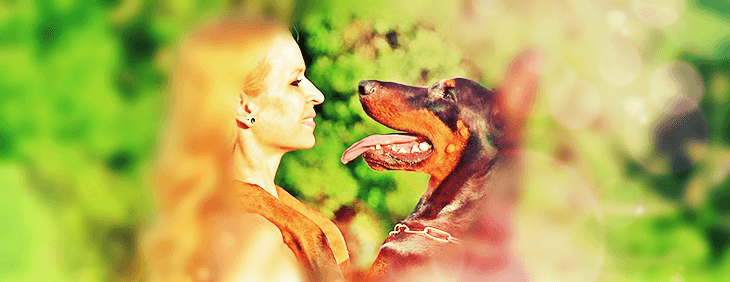
A kutyák az ember legjobb barátai és a tudósok szerint ez a kötelék mélyebb, mint gondolnánk.
Japán és amerikai biológusok nemrég arra a következtetésre jutottak, hogy az emberek ugyanúgy szeretik a kutyáikat, mint a gyermekeiket és ez az érzés kölcsönös. A kutatók bizonysággal állítják, amikor a kutya és gazdája egymás szemébe néznek, mindkettőjük agyában ugyanaz a hormon szabadul fel, mint az anya és gyermeke közötti kölcsönhatás esetén. Nézzük a tényeket részleteiben.
A Japán Azabu Egyetem biológusai, Takefumi Kikusui és Miho Nagasawa legújabb tanulmányukban bizonyítékokkal szolgálnak, melyek azt sugallják, hogy a kutyák a tekintetüket már több ezer évvel ezelőtt arra használták, hogy meghódítsák az ember szívét.
„Miho és én nagy szerelmesei vagyunk a kutyáknak és érezzük, hogy valami megváltozik a testünkben, amikor a kutyáinkkal egymás szemébe nézünk” – mondja Kikusui professzor, aki több mint 15 éve kutyatulajdonos. Így vetődött fel benne ez a kérdés: Miért vannak a kutyák oly szoros kapcsolatban az emberrel? A professzor erre kereste a választ biológus és viselkedéskutató csoportjával. A megfejtést a további mondanivaló rejti.
Az evolúciós változás
A kutyák ősei, a farkasok vad, erős és félelmetes ragadozók, akik nagy zsákmány leterítésére is képesek. És mégis, több tízezer évvel ezelőtt, néhány farkas az ember mellé szegődött és szoros kapcsolatot alakított ki az emberrel. Az elmélet az, hogy a legmerészebb farkasokat az éhség hajtotta az emberi települések közelébe, mivel a települések széleihez kitett tetemekből lakmároztak. A farkasok utódai generációkon keresztül egyre bátrabbak lettek és egyre közelebb merészkedtek az emberekhez, vándorlásaik során is követve őket. Idővel az ember az átalakult farkasban meglátta a természetes szövetségest, felfedezte az előnyeit és a különböző funkcióknak megfelelően, elkezdte tudatosan tenyészteni. Felvetődik a kérdés, miért alakulhatott ez így? Az eredmények segíthetnek megmagyarázni az emberiség történetében az egyik legrejtélyesebb történetet: hogyan alakult át a félelmetes, ragadozó farkas az ember legjobb barátjává.
„A háziasítás egy bizonyos pontján a barátságosabb kutyák egy kis csoportja szorosabb kötést alakíthatott ki az emberrel. Talán az evolúciós folyamat során az emberek és a kutyák olyan azonos társadalmi jeleket osztottak meg egymással, mint például a szemkontaktus és a kézmozdulatok. Ez az ok, amiért a kutyák képesek alkalmazkodni az emberi társadalomhoz. Azt gondoljuk, hogy a kutyák őseinek néhány kisebb populációja a temperamentum változásának köszönhetően szegődött az emberek mellé. Ebben a folyamatban a kutyák tudtukon kívül ügyesen létrehoztak egy olyan természetes és erős köteléket, mint amely a szülők és gyermekeik között létezik” – nyilatkozta Kikusui. Egyébként a kutyák a kötődés megerősítésére saját fajtársaikkal szemben nem használják a szemkontaktus útját. A kutatók azt sugallják, hogy az ember legjobb barátja a kötődés útján elindulva már az ősidőkben lefoglalt magának egy kiemelt helyet az ember életében.
A „szeretet hormon” és hatásai
Azt mondják, a szem a lélek tükre. Amikor szeretett kutyánkkal egymás szemébe nézünk, abban minden benne van! Tudósok megállapították, hogy a kutyák és tulajdonosaik oxytocin hullámokat tapasztaltak, mikor egymás szemébe néztek. A szeretet pillantása által elindul egy pozitív visszacsatolás, egy körforgás, amely mind az emberek mind a kutyák szervezetében felszabadítja az oxytocint és ez által erősíti a köztük lévő kölcsönös kapcsolatot.
Az oxytocin vagy más néven a „szeretet hormon” a központi idegrendszer hipotalamusz részében készül és az agyalapi mirigyben választódik ki. Nagy szerepe van az érzelmi kötődés és az anyai viselkedés kiváltásánál, a gyermek születésekor és a szoptatásnál, a szexualitásban és egyéb funkcióknál is. Ismert tény, hogy az oxytocinhoz köthető a feltétel nélküli szeretet, a féltés és az oltalmazás érzésének kiváltása minden olyan esetben, amikor a szülők és a gyermekeik egymás szemébe néznek vagy átölelik egymást.
A Japán Kikuosi professzor kísérletekkel bizonyította, hogy a kutya tekintete növeli a tulajdonos oxytocin szintjét, ezzel együtt a szervezet endorfin (boldogsághormon) és dopamin (jutalomhormon) szintje is megemelkedik. Cserébe a tulajdonos tekintete ugyanúgy növelte a kutya szervezetében ugyanezen hormonszinteket. Tehát mindkettőjük szervezetében egy erős pozitív visszacsatolási hurok jött létre „Ez a mechanizmus a kutya és az ember kémiai kötődése, mely egyesíti a két faj gondolatait. Az ölelés jótékony hatása kémiailag szintén megmagyarázható, mert pozitívan emeli az ember hangulatát, továbbá javítja a szorongást és a depressziót” – nyilatkozta Kikusui professzor.
Clive Wynne, a floridai Egyetem viselkedéskutató professzora azt gondolja, az oxytocin megmagyarázhatja, miért tűnik úgy, hogy egyes tulajdonosok hűségesebbek a kutyáikhoz, mint a saját családjukhoz. „Élő példa erre Leona Helmsley, aki inkább a kutyáira hagyta a vagyonát, mintsem az unokáira” – mondja Clive.
A teória igazolása
Annak vizsgálatára, hogyan alakul az emberek és a kutyák sajátságos kapcsolata, Kikusui csapata egy sor kísérletet végzett. Megfigyeltek 30 önként jelentkező tulajdonost és kutyáikat, ahogy fél órán keresztül játszottak, közben többször szemkontaktusba kerülve egymással és szeretettel nézve egymás szemébe. A kutyafajták között volt Golden Retriever, Uszkár, Jack Russel Terrier, Német Juhászkutya és néhány Törpe Schnauzer, a nemek megoszlásában hímek és nőstények vegyesen. Kikusui maga is részt vett a kísérletben két Uszkár kutyájával. A kísérlet előtt és a kísérlet után vizeletvizsgálatot végeztek, melyből kiderült, hogy az oxytocin szintje felszökkent azon tulajdonosokban és kutyáikban, akik legtöbbször néztek egymás szemébe.

Az egyik diák, aki kutyájával részt vett a kísérletben.
A kölcsönös szemkontaktus nagy hatással volt mind a gazdikra, mint a kutyáikra. Azon pároknál (gazdi-kutya), akik a leghosszabb ideig néztek egymás szemébe, a kutyák esetében 150 %-os oxytocin szintemelkedést mértek, míg a gazdiknál 300 %-kal emelkedett az oxytocin szintje. Kikusui úgy találta, hogy akik kutyáikkal a leghosszabb ideig néztek egymás szemébe, azon tulajdonosoknál jelentkeztek a legnagyobb oxytocin hullámok. Ezek a gazdik több ízben hosszabb ideig néztek a kutyájuk szemébe, közben megérintették őket és beszéltek hozzájuk. És szintén azon kutyáknál volt tapasztalható a legmagasabb oxytocin szintemelkedés, melyek a legtöbb figyelmet kapták gazdájuktól. Nagasawa az ember és a kutya egymáshoz való kötődését már vizsgálta 2009-ben, de most véglegesen bizonyítást nyert, hogy mindkét faj kölcsönösen emeli egymás oxytocin szintjét.
Ugyanez nem mondható el a farkasokról. Nagasawa ugyanezt a kísérletet elvégezte 11 fajtatiszta, emberek által nevelt farkassal is. Ezek nem háziállatok, de napi kapcsolatban álltak a gondozóikkal, akik nevelték, etették őket és időnként játszottak is velük. Annak ellenére, hogy a kutyák a farkasok leszármazottai, ezek a farkasok nem kerültek rendszeres szemkontaktusba gondozóikkal és tekintetük nem indította el az oxytocin emelkedést. „Ezek az eredmények arra utalnak, hogy a farkasok nem használják a szemkontaktust az emberekkel való társadalmi kommunikációra” – mondta Kikusui. Az oxytocin kötelék csak az ember és a háziasított kutya esetében működik, az ember és a farkas esetében nem.
Kikusui a kísérlet folytatásában a kutyák orra alá oxytocint permetezett, majd egy szobába tette őket a tulajdonosaikkal és 2 idegennel. Amikor a kutyák megkapták az oxytocin lökést, érdekes dolog volt tapasztalható, egyes kutyák, mégpedig a nőneműek hosszabban néztek a tulajdonosaik szemébe, akiknek aztán emelkedett az oxytocin szintjük. Továbbá az oxytocin kívülről való bejuttatásának hatására a kutyák több társas kapcsolatot létesítettek más kutyákkal és emberekkel is. Ez a második kísérlet megerősítette, hogy az egyik faj kémiailag kiválthat egy másik fajhoz való kötődést.
A farkasokkal ugyanezt a kísérletet nem végezték el, mert Kikusui szerint: „Nagyon-nagyon veszélyes a farkasoknál ilyet alkalmazni.”
„Ez a pozitív visszacsatolás hurok fontos szerepet játszott a kutya háziasításában. Ahogy a farkasok átalakultak kutyákká és csak azok, amelyek képesek voltak az emberrel kialakítani egy védelemre és gondoskodásra épülő köteléket. És közben maguk az emberek is fejlődtek, mert képesek voltak egy új fajjal létrehozni egy erős kötődést. Ez a mi legnagyobb elméletünk” – mondja Kikusui, aki azt javasolja, mivel az oxytocin csökkenti a szorongást, az alkalmazkodás a mai stresszes világban már az emberi túléléshez fontos. Jobb hatással van az ember egészségére, ha kevésbé stresszes.
Kikusui azt sugallja, hogy elsősorban ez a kémiai kötés segítette a vadkutyák megszelídítését, háziasítását. Az oxytocin ismerten segít csökkenteni a stresszt az embereknél és az állatoknál egyaránt, így nem is lehetett volna kívánatosabb az evolúció során, mint egy ilyen erős kémiai kötelék kialakítása egymással.
„Mi, emberek affiliatív kommunikációra használjuk a tekintetünket és igen érzékenyek vagyunk a szemkontaktusra. Ezért, azok a kutyák, akik a gazdáikkal hatékonyan tudják használni a tekintetüket, hasznára vannak az embereknek. ” – mondja Kikusui professzor.
Az eredmények arra utalnak, hogy az ember-kutya kölcsönhatások ugyanolyan típusú pozitív visszacsatolás általi kötődést hoznak létre a szervezetben, mint amely az anyák és a csecsemőik között történik. Ez viszont megmagyarázza, miért érezzük olyan közel magunkhoz kutyáinkat és fordítva. Kikusui szerint az orrspray azért csak a nőstény kutyákat befolyásolhatta, mert az oxytocin nagyobb szerepet játszik a női reprodukciós folyamatokban, a vajúdás és a szoptatás alatti időszakban.
Farkasoknál nem működik
Ezek az eredmények fontos mérföldkövei azon eseménynek, hogyan alakulhattak át a vadon élő farkasok háziasított kutyákká. „A fejlődése útján valószínűleg olyan viselkedésformát választottak ki a kutyák, amely ezt a fiziológiai választ váltja ki belőlük ezzel elősegítve a kötődést” – nyilatkozta Larry Young, az Emory Egyetemről „Ez a viselkedésforma a másik szemébe nézés.”
„A farkasok közötti szemkontaktus fenyegetést jelent (kivéve az anya és gyermeke között) ezért ők ritkán néznek egyenesen a másik szemébe. A farkas kölykök úgy kommunikáltak az anyjukkal, hogy a szemükbe néznek, miközben ugyanazt a szerető ciklust indítják el, mint amely az emberben létezik. Talán, amikor a farkasok átalakultak kutyává, egyszerűen megtartották ezt a gyerekszerű kommunikációs eszközüket, mint ahogy néhány fizikai tulajdonságukban megmaradtak fiataloknak” – mondja Larry.
A kutyák megnyerik a szíveinket és mi cserébe az övéket
Egy kísérő cikkben, Evan MacLean és Brian Hare az észak-karolinai Duke Egyetem kutatói így nyilatkoztak az eredményt látva: „Ezen kísérletek során láthatóvá vált egy hatékony és erős mechanizmus, melyen keresztül a kutyák megnyerik a szíveinket és mi cserébe az övéket.” Hozzáteszik: „Ezek az eredmények nagy horderejűek. Ugyanúgy, ahogy információkat nyújtanak arról, hogy váltak a kutyák az emberi történelem részévé, megmutatják, hogy a kapcsolat a kutyákkal hogyan lehet jó nekünk”.
„Az embereknél az oxytocin egy összekötő kapocs, mely főképp az anya és gyermeke közötti kölcsönhatás esetén, vagyis a szoptatás ideje alatt emelkedik meg a szervezetben, mikor az anya és gyermeke hosszú időn keresztül nézik egymást. A háziasított kutyáknál és a farkasoknál a szemkontaktus általában nem a kötődést jelzi, a domináns kutyák nézik le a rangsorban tőlük alacsonyabban lévő kutyákat és a kölyköket, akik ilyen esetben határozottan elfordulnak.” – mondja Evan MacLean, evolúciós antropológus.
A Duke Egyetem kutatói úgy vélik, hogy az oxytocin egy neurális visszacsatolást hoz létre, mely az évezredek során megerősítette a köteléket az ember és legjobb barátja, a kutya között. Dr. Evan MacLean elmondta, hogy a kutyák megtalálták és elsajátították az eltéríthetetlen és örök kötelék kialakításának útját, mely igazán csak az utóbbi néhány ezer évben vált fontossá. Így látható, hogy társadalmunkban mi vezetett el a házikutyának az emberrel kötött örök barátságáig.
Kapcsolatunk a kutyákkal nagyon hasonlít a szülő-gyermek kapcsolathoz. Úgy beszélünk a kutyáinkkal, mint a gyermekekkel. Agyvizsgálati kísérletek kimutatták, hogy átfedések vannak azon agyi régiókban, melyek egyaránt aktívvá válnak, ha az (emberi) anyák képeket látnak a gyermekeikről és a kutyáikról. „A biológiánk különböző aspektusai úgy tűnik rendkívül hasonló módon hangolja össze a gyermekeket és a kutyákat” – írja MacLean és Hare.
A kutatást Amerika legnagyobb tudományos folyóiratában, a Science magazinban publikálták 2015 tavaszán.
Kérlek, oszd meg ezt a bejegyzést barátaiddal és más kutyabarátokkal is, mert számukra is hasznos lehet! Köszönjük!
.
További hasznos és értékes cikkek a kutyák szerelmeseinek a szerző hivatalos honlapján tekinthetők meg.
Keresd Vámosi Ildikó kutyás cikkíró, szerző hivatalos honlapját:
Http://ildikovamosi.hu/
🙂 Köszönöm, ha megtisztelsz a látogatásoddal! 🙂