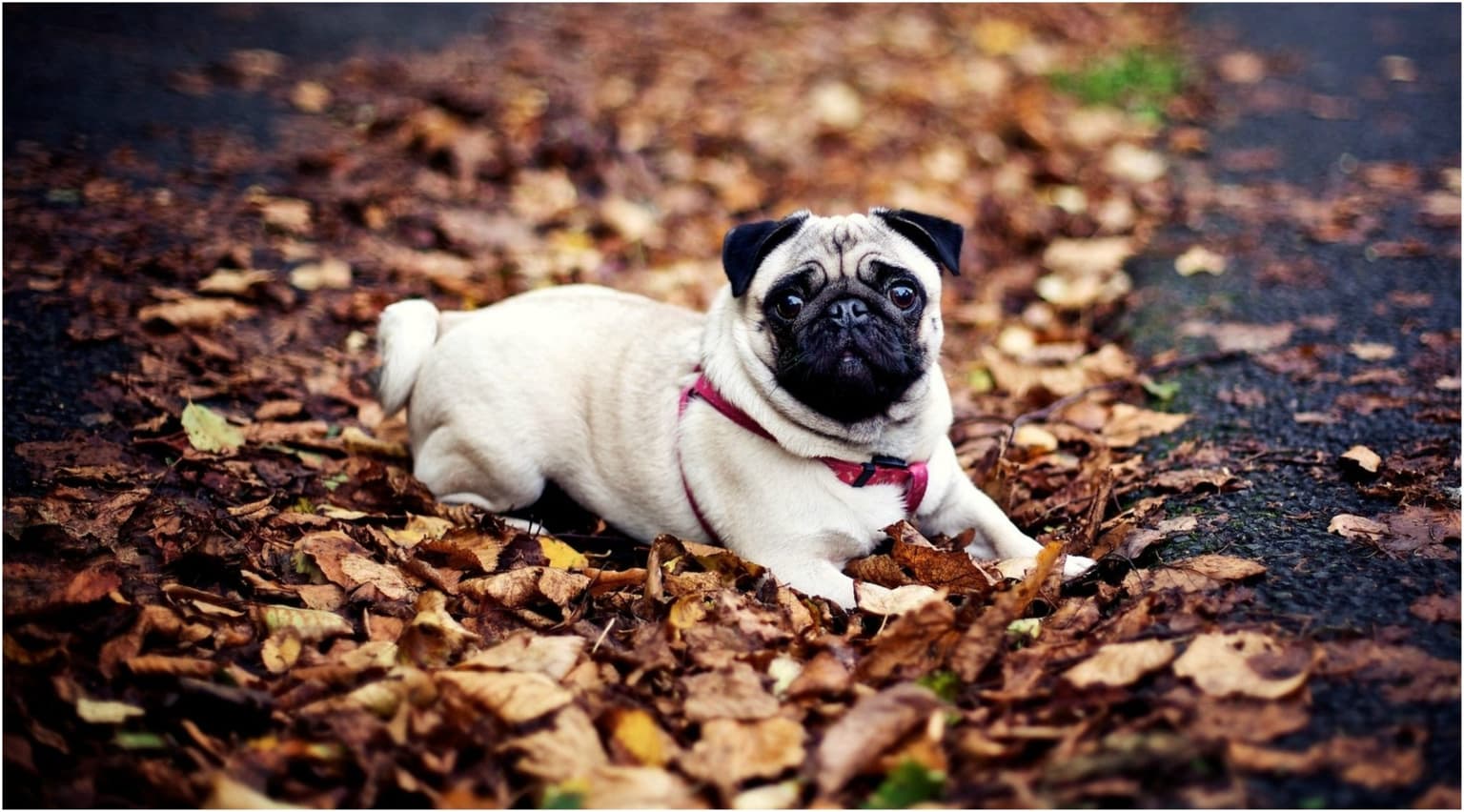
A holland kormány radikális intézkedéseket hozott, törvényben tiltja a túl rövid orral rendelkező kutyafajták további tenyésztését. Első lépésként a mopsz fajta került górcső alá. A fajtaklub vezetősége úgy döntött, hogy azonnali hatállyal beszünteti a rövid orrú mopszok tenyésztését, nem szerették volna megvárni, hogy a tenyésztőkre bírságot szabjanak ki vagy más végrehajtási szankciókat alkalmazzanak irányukba.
„Valójában 2014 óta tilos a túl rövid orrú kutyák tenyésztése Hollandiában, de mind ez idáig nem történt semmi változás” – mondja Milo Laureij, az állatok jólétéért és jogaiért szót emelő szervezet, a Dier & Recht munkatársa. „A túl rövid orrú kutyafajták a divattrend szülöttei, életminőségük az eltúlzott mértékű arányaik miatt az elmúlt évtizedekben fokozatosan egészségtelen irányba tolódott el. Ezek a kutyafajták gyakran szenvednek velük született légzőszervi zavaroktól, valamint más krónikus betegségektől és nem tudnak természetes módon szülni” – fűzi tovább a gondolatsort Milo Laureij.
A pofa hossza
Az új kritériumok szerint a pofa hosszának minimum a fej egyharmad részével megegyező hosszúságúnak kell lennie. Az új törvény bevezetése véget vet az eddigi szabályok szerint tenyésztett mopsz fajtának Hollandiában, de nemcsak a mopsznak, hanem a népszerű angol- és francia bulldognak is, valamint további 19 rövid orrú fajtának!
A Mezőgazdasági, Természetvédelmi és Élelmiszerminőségi Minisztérium (Ministerie van Landbouw, Natuur en Voedselkwaliteit, rövidítve: LNV) nyilatkozatában bejelentette, hogy szigorú ellenőrzések várhatóak, és radikális intézkedések azokkal a tenyésztőkkel szemben, akik nem tartják be az új törvényt!
A divat trendje elhomályosult
A Dier & Recht felhívja az érintett rövid orrú kutyák fajtaklubjainak figyelmét, hogy kövessék a Commedia mopsz klub példáját. Milo Laureij, a szervezet képviseletében újfent kihangsúlyozza, hogy a rövid orrok rendkívül természetellenesek. „A múltban a mopsz hosszabb orr- és pofa résszel rendelkezett, mely az elmúlt évtizedekben jelentősen megrövidült. Ez egy divattrend, amely végül egészségtelen arányokba fordult át. Nemcsak a rövid orr és pofa rész az egyedüli probléma a fajtánál, apró koponyájuk miatt erősen kidülled a szemük, a bőrük pedig túl ráncos, emiatt gyakran alakul ki a bőrredők között gyulladás, ami fájdalmas a kutyának! Ezek az eltúlzott külső jellemzők adják meg a mopsznak a rá jellemző aranyos kinézetét, de a cukiságfaktor nem mehet az egészség rovására. ”
Hans Baaij, a Dier & Recht igazgatója örül a fajtaklub döntésének. „Elégedettek vagyunk a mopsz fajtaklub döntésével, úgy véljük úttörő szerepet töltenek be, mert elsőként mertek meghozni egy olyan döntést, amelyet még sehol a világban egy fajtaklub sem vállalt fel. A többi rövid orrú kutyafajta klubjaira és tenyésztőire továbbra is szeretnénk nyomást gyakorolni, és végrehajtási kérelmet benyújtani azok ellen, akik nem tartják be az új törvényt, és továbbra is tenyésztenek a tiltott sávba eső kutyákkal.”
Közlekedési lámpa rendszer alkalmazása a tenyésztésben
A holland Mezőgazdasági, Természetvédelmi és Élelmiszerminőségi Minisztérium egy új rendszert dolgozott ki az egészséges- és az eltúlzott mértékű arányok megítélése tárgyában. A közlekedési lámpa rendszer ezentúl mérőrendszerként működik a tenyésztésben.

A piros sáv azokra a kutyákra, illetve fajtákra vonatkozik, amelyeknél a pofa hossza rövidebb a fej egyharmad részénél, mint például a mopsznál, az angol- és a francia bulldognál. Ezekkel a kutyákkal a tenyésztés a továbbiakban tilos!
A zöld sáv azokra a kutyákra, illetve fajtákra vonatkozik, amelyeknél a pofa hossza a fej hosszának minimum a fele. Ezekkel a kutyákkal a tenyésztés továbbra is engedélyezett!
Átmeneti rendelkezés vonatkozik a narancssárga sávba eső kutyákra illetve fajtákra: itt a pofa hossza a fej egyharmad része és fele közé esik. Ezekkel a kutyákkal csakis akkor lehet tenyészteni, ha megfelelnek a tenyésztésre vonatkozó egyéb kritériumoknak!
22 kutyafajtát érint az új törvény
Az első 12-ben az extrém rövid orrú kutyafajták, rövid távon e fajták orr- és pofa részét kell kiigazítani, hosszabb távon a további 10 kutyafajtáét is. A tilalom több népszerű kutyafajtát is érint, mint látható:
- Affenpincher
- Angol Bulldog
- Boston Terrier
- Francia Bulldog
- Belga Griffon
- Brüsszeli Griffon
- Petit Brabancon
- Japán Spániel
- King Charles Spániel
- Mopsz
- Pekingi Palotakutya
- Shih-Tzu
- Bordói Dog
- Boxer
- Bullmasztiff
- Pomerániai Törpespitz
- Chihuahua
- Lhasa Apso
- Masztiff
- Mastino Napoletano
- Staffordshier Bull Terrier
- Yorkshire Terrier
Jegyzetek:
1. A Társállatok Genetikai Szakértő Központja egy információs és kutatóközpont, amely 2014 óta a társállatokban előforduló örökletes betegségekkel, valamint a születési rendellenességekkel összefüggő genetikai információkat vizsgálja és kutatja. A Kutató Központ hozzájárul a fajtatiszta kutyák és macskák egészségének javításához Hollandiában, melyet a genetikai betegségek fajta populáción belüli előfordulásának mérésével és a modern DNS diagnosztika alkalmazásával végez.
2. A holland Élelmiszer- és Fogyasztói Termékbiztonsági Hatóság (NVWA) fő feladata a különféle vállalatok és intézmények felügyelete a törvények és rendeletek betartásának érdekében. A szervezet e célból állatorvosokat, ellenőröket és felügyelőket foglalkoztat, akik a különböző területeken ellenőrzik a megfelelőséget, és szükség esetén szankciókat alkalmaznak, bírságokat szabnak ki. Az NVWA a Mezőgazdasági, Természetvédelmi és Élelmiszerminőségi Minisztérium (LNV) felügyelete alá tartozik.
Források:
A holland médium, az RTL NIEUWS hivatalos honlapja
A Raad van Beher Holland Kennel Club hivatalos honlapja
A Commedia mopsz fajtaklub hivatalos honlapja
Kérlek, oszd meg ezt a bejegyzést barátaiddal és más kutyabarátokkal is, mert számukra is hasznos lehet! Köszönjük!
További hasznos és értékes cikkek a kutyák szerelmeseinek a szerző hivatalos honlapján tekinthetők meg.
Keresd Vámosi Ildikó kutyás cikkíró, szerző hivatalos honlapját:
Http://ildikovamosi.hu/
🙂 Köszönöm, ha megtisztelsz a látogatásoddal! 🙂