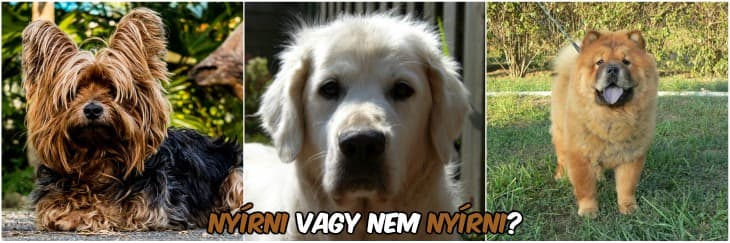
Megnyírni egy kutyát nyáron népszerű módszer a gazdik körében, sőt egyes kutyafajtáknál ez az ideális gyakorlat. De vajon minden fajtánál? Ha cikkünket végigolvasod, megkapod a választ!
A kutyák szőrzete
A kutyák szőrzete számos különböző típusú és textúrájú lehet, de általánosságban két szőrzettípus különböztethető meg: az egyrétegű és a kétrétegű (dupla) szőrzet.
A cikket sok új információval kibővítve a szerző, Vámosi Ildikó hivatalos weboldalán is olvashatod további hasznos tartalmakkal együtt. Kérlek, kattints az alábbi linkre: „Nyári dilemmák – Szükséges-e nyírni a kutya szőrzetét?”, vagy alant a képre, vagy a cikk címére!
A dupla szőrzet típusai
A kétrétegű szőrzettel rendelkező kutyáknál az egész testet dupla szőrzet fedi: egy kemény struktúrájú fedőszőr és egy vastag, sűrű és puha aljszőr, mely véd az időjárás viszontagságai ellen. Az ilyen szőrzet egy előre meghatározott hosszúságig növekszik csupán.
A dupla szőrzet két típusa: a zárt és a nyílt szőrzet.
A kétrétegű, zárt szőrzetű fajtáknál észrevehetően hosszabbak a fedőszőrszálak, melyek úgy zárnak össze az aljszőrzet felett, mint egy takaró. Míg a külső réteg, vagyis a fedőszőr nedves lesz, az aljszőrzet azon dolgozik, hogy melegen és szárazon tartsa a kutya bőrét. Ilyen típusú szőrzete van például a Golden Retrievernek, az Ausztrál Juhászkutyának, az Újfoundlandinak, a Német Juhászkutyának.
A kétrétegű, nyílt szőrzetű fajtáknál van egy kemény, durva, külső réteg, az úgynevezett fedőszőrzet és egy puha, sűrű aljszőrzet. E dupla szőrzet célja, hogy télen leperegjen róla a hó és a jég, valamint védelmet nyújtson a fagyás ellen, nyáron pedig védje a kutyát a napsugárzástól, másrészt az aljszőrzet teljes kihullásával biztosítsa a fedőszőrzet és a bőr között a levegő megfelelő áramlását. A dupla, nyílt szőrzetű kutyafajták közé tartozik például a Szibériai Husky, a Chow-Chow, a Pomerániai Törpespicc, tulajdonképpen az északi kutyafajták.
A dupla szőrzetű kutyák mindig az évszaknak megfelelő szőrzettel rendelkeznek, amit általában tavasszal és ősszel erős vedléssel cserélnek, de az időjáráshoz igazodva ez némileg eltolódhat. E szőrzettel rendelkező fajtáknak több szőrzetápolásra van szükségük, legfőképp tavasszal és nyár elején, amikor egy nagy vedlési időszak kezdődik számukra.
A kettős szőrzetű fajták vedlési mechanizmusa
Amint az időjárás felmelegszik, az aljszőrzet elválik a testtől és megindul a vedlés. Ilyenkor rövidebb szőr esetében csomókban hullik, hosszabb szőrnél az elhalt aljszőr befilcesedik és vattaszerűen kitüremkedik a fedőszőrök közül.
Az alábbi ábra hűen szemlélteti a dupla szőrzet mechanizmusát és azt is láthatjuk, mi történhet, ha egy kettős szőrzetű kutyát bőrig lenyírunk vagy leborotválunk:

Minden ennyire sűrű aljszőrzetet alaposan ki kell kefélni, különben az alábbi képen látható 3-as fázis bekövetkezte várható. A szőrzet tömörré válik és teljesen összetapad, ezzel megakadályozza a levegő megfelelő áramlását a bőr és a fedőszőr között. Miután az összefilcesedett aljszőrzetet eltávolítottunk, a levegő áramlása biztosított lesz a fedőszőrök és a bőr között, e folyamat tartja nyáron a kutyát hűvösen, míg a szőrzet fedőrétege megvédi a bőrt a napsugárzástól, valamint a repülő rovaroktól és a szúnyog csípésétől.
Miért ne nyírd?
A kérdés továbbra is az: Miért ne nyírd őket, csak a naptól tartsd távol?
Az egyik ok: A megnyírt szőrzet miatt még akkor sem biztos, hogy hűvösek maradnak, ha nem süti őket a nap. A fedőréteg segít abban, hogy a hő nem tud a bőrhöz közel férkőzni és az emberekkel ellentétben a kutyák nem a bőrükön keresztül izzadnak. Amikor lenyírod a dupla bevonatú kutyák teljes szőrzetét, valójában eltávolítod azt a természetes képességüket, amely hűvösen tartja őket, eltávolítod a természetes szigetelést, ezáltal a kutya nem tudja megvédeni magát a szélsőséges hőmérséklettől, a leégéstől, a rovarcsípéstől és az éles tárgyaktól.
A másik ok: Amikor a szőrzet kezd visszanőni, igen furcsa dolgokat láthatunk. Ez azt jelenti, hogy foltokban előfordulhatnak olyan részek, ahol a szőr nem azonos mértékben nő vagy nem nő mindkét rétegben (a fedőszőr és az aljszőrzet együtt). Ilyenkor a kutya szőrzete olyan képet mutat, mintha pajzsmirigy problémák lennének a háttérben. A szőrzet bolyhos és a testen a hossza változatos. Az idősebb kutyáknál gyakran jelent problémát a szőrzet újranövekedése, másoknál (ez fordul elő leginkább) az aljszőrzet gyorsabban nő, míg a fedőréteg lassabban (a fedőréteg azért nő lassabban, mert azt nem vedli le a kutya, és ha lenyírjuk, sokkal lassabb lesz a visszanövekedése), így aztán a védő fedőréteg egy gubancos burkolattal borított lesz. Ez nem jelenti azt, hogy a szőrzet örökre ilyen marad. Az elkövetkezendő időszakban fokozott ápolás, fésülés szükséges és a következő vedlési időszakra a fedőréteg hosszabbá válik, míg az aljszőrzet újból kihullik, míg végül a szőrzet olyan képet fog mutatni, mint egykor a nyírás előtt, hosszú fedőszálak, közöttük vastag, sűrű aljszőrzet.
Ezen kívül az új szőrzet vastagabb és puhább lesz, mint a nyírás előtti. Na, de ez miért rossz? Azért, mert a szőrzet úgy fog viselkedni, mint egy pulóver. Puhasága felszívja a vizet és vonzza a nem kívánatos élősködőket, rovarokat. Azon kívül ez a vastag réteg rendkívül forró nyáron. Télen a visszanőtt, új szőrzet megtartja a vizet, a sarat és összepenészedik. Kedvenced órákig hideg és nedves marad. Te megpróbáltad hűvösen tartani őt, de azzal, hogy megnyírtad, melegen tartottad nyáron és hidegen télen.
Amikor elkerülhetetlen a nyírás
Természetesen vannak olyan esetek is, amikor elkerülhetetlenül a nyírás, például egyes egészségügyi helyzetekben, sebészeti beavatkozások esetén, ha életet veszélyeztető állapot alakul ki, vagy ha a bunda annyira gubancos, hogy lehetetlen kifésülni, ekkor a nyírás az egyetlen megoldás.
Ha a szőr elkezd növekedni, ápold megfelelően, hogy biztosítsd a levegő szabad áramlását, és hogy ne legyen szükség nyírásra a jövőben.
Tehát a válasz a kérdésre – miszerint „Szükséges-e nyírni a kutya szőrzetét?” – valójában az, hogy mindez a fajtától függ.
Kérlek, oszd meg ezt a bejegyzést barátaiddal és más kutyabarátokkal is, mert számukra is hasznos lehet! Köszönjük!
További hasznos és értékes cikkek a kutyák szerelmeseinek a szerző hivatalos honlapján tekinthetők meg.
Keresd Vámosi Ildikó kutyás cikkíró, szerző hivatalos honlapját:
Http://ildikovamosi.hu/
🙂 Köszönöm, ha megtisztelsz a látogatásoddal! 🙂
😊❤ Várlak szeretettel és sok értékes cikkel! 😊❤