When our weather turns wintry, when the roads are dominated by frost, snow, and ice, dogs' paws become more vulnerable, their paw pads can get injured, and they may suffer from discomfort and irritations in the cold. For some dogs, the cold of winter and walking on frozen, hard, snowy ground is completely natural and does not cause serious problems, while for other dogs, a winter walk may not bring any joy at all.
Which dogs are most exposed to winter paw problems?
Potentially, every dog can suffer from cracked, injured paw pads and sore paws during the winter months, especially if they spend a lot of time outside, frequently walking on hard-frozen or snowy ground, or on icy roads.
Certain dog breeds are much more sensitive than others. Miniature, toy, and small-sized breeds, as well as small-weight, delicate dogs are particularly at risk, such as the Chihuahua. Due to their tiny size and low weight, these breeds require increased paw protection, and winter clothing for dogs is essential during the cold season, with waterproof or warm fabric depending on the weather, as well as shoes for short outdoor stays.
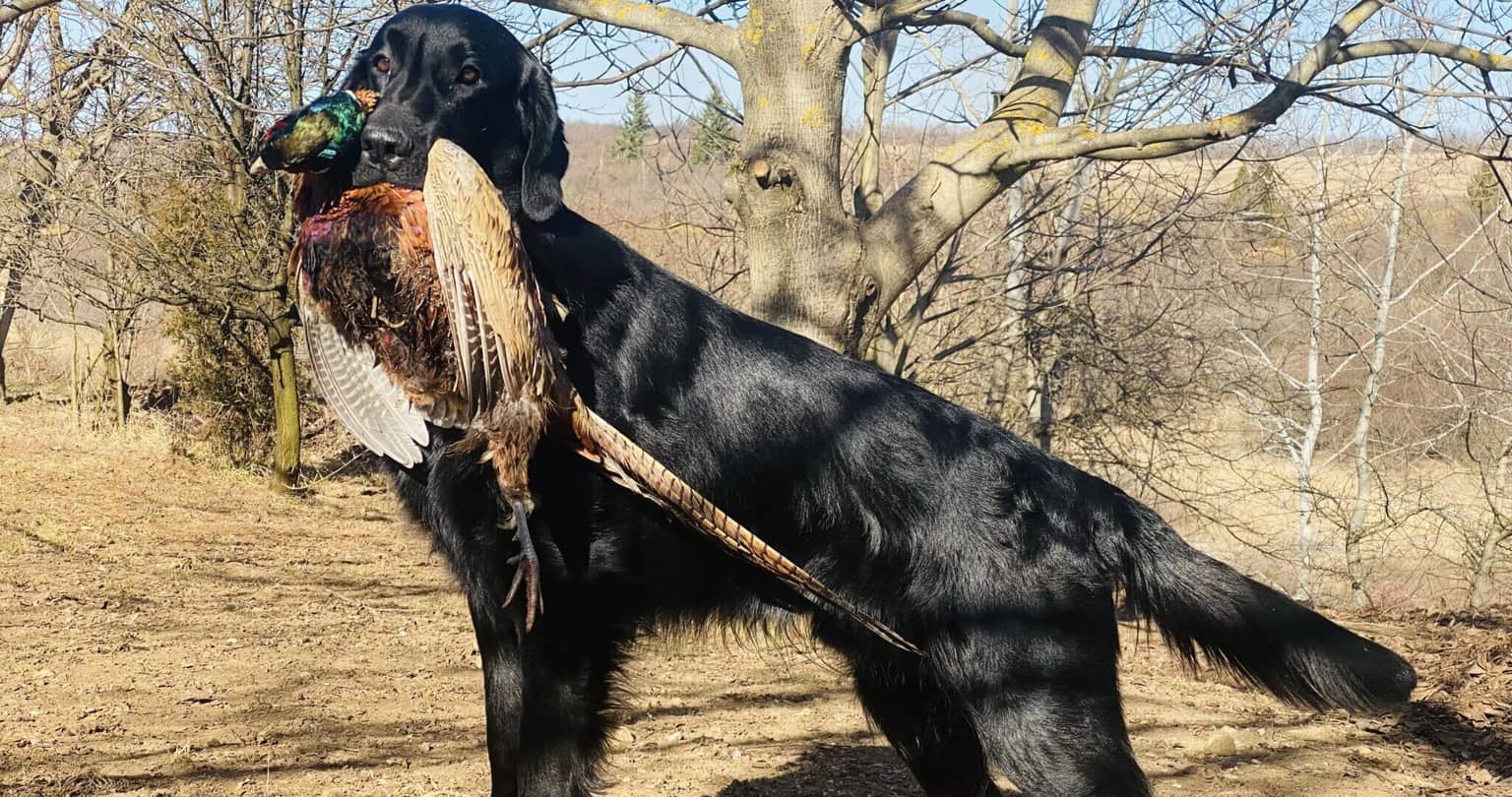
In the cold, dog breeds with particularly thin body types, such as hunting dogs, greyhounds, and similar breeds, are more likely to suffer from paw problems.
If you have a larger and more robust outdoor pet that tolerates cold weather well, like a Siberian Husky or one of the northern breeds, it is important to periodically check their paws and paw pads as well!
Paw and paw pad problems unique to winter
During winter, numerous potential issues and increased risk factors arise that affect dogs' paws and pads. A general check of paws and paw pads after a short walk is always important, paying special attention to the common winter problems and hazards listed below!
De-icing products used on roads damage your dog's paws
Be careful about where you take your short winter walks. De-icing and anti-slip products used on public roads in the winter can be harmful to dogs' paws.
In Hungary, there are on average 50 days when road de-icing and anti-slip treatment is necessary. There is no unified EU regulation, so local municipal governments decide which products are used for de-icing and anti-slip treatment of public areas, roads, and sidewalks. For many years, road salt was the most commonly used product, which greatly damaged (and still damages where it is used) the environment, vehicles, plants, and dogs' paw pads. According to a prohibition regulation, since September 2010, the salting of sidewalks is forbidden! Only the sidewalks—roads where cars travel still allow the use of road salt! Unfortunately, from carelessness or habit, many people still use salt for de-icing in places where it should no longer be used! Therefore, it may happen that during your walks, you visit areas where salt has been used for snow melting and de-icing.
You should know that salt is one of the biggest threats to healthy paws and paw pads. Prolonged contact with salt can chemically damage, corrode, and burn your dog's paws, causing a long-healing allergic skin inflammation. After returning from a walk, always wash your dog's paws and paw pads thoroughly with lukewarm water and then dry them.
Owners of family houses are obliged to take care of maintaining, de-icing, and anti-slip treatment of the sidewalk section in front of their house during the winter! It is important not to use salt for de-icing! You can find out what to use and how in the “How to de-ice and prevent slipperiness” article.
Ice balls frozen into the fur of paw pads can cause frostbite injuries
In furry-legged breeds, ice balls frozen into the fur between the paw pads can cause frostbite injuries. Harmful substances used for road and sidewalk de-icing can accumulate in the ice balls, so always check your dog's paws after the walk and remove these harmful ice balls from between their toes. Dogs with longer fur and excessively furry legs are especially prone to having the slushy snow water gather in the fur between their toes, freeze into ice balls, and stick. Therefore, for long-haired breeds, it is important to trim the fur between the toes short so that ice and snow cannot cling and form balls.
The paw pads absorb the residues of antifreezes, which are toxic
In winter, de-icers and antifreezes used for cars also pose problems. These products are attractive to dogs due to their sweet smell and taste, but they contain ethylene glycol, which is highly toxic and deadly! Ethylene glycol-containing products commonly found in households include the following:
- Coolant for cars and other devices
- Winter windshield washer fluid for cars
- Motor oil
- Hydraulic brake fluid
- Paint, solvent
In all cases, store the products used for the car in a closed place inaccessible to your dog and your child!
It is also important to know that paw pads absorb the residues of de-icers and antifreezes. It is also dangerous if your dog licks the de-icing agent or antifreeze stuck to its paw pads! The solution in this case, as I have mentioned several times, is to wash your dog's paws with lukewarm water after every walk, then dry them!
Care for the paws with cream to avoid injuries
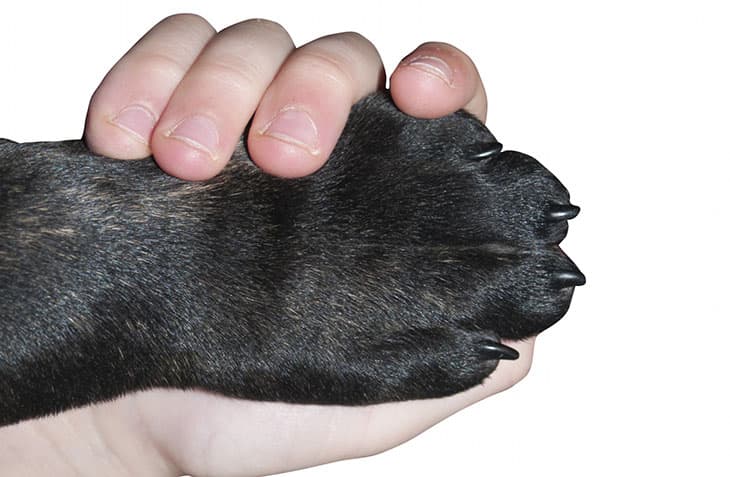
Proper care of the paw pads is very important during the winter period. If the skin of the paw pads appears cracked, we can care for them with healing ointments, use paw protector creams specially developed for this purpose, or petroleum jelly available at pharmacies. A diet rich in essential fatty acids can help minimize the problem.
Hypothermia and frostbite are very dangerous! Be cautious!
If the outside temperature is too cold and the dog stays outside for a long time, hypothermia can threaten its body, frostbite its limbs, paws, ears, tail, face, mouth, and scrotum. In cold, snowy, and frosty weather, shorter walks are more effective than a long walk. Pay attention to your dog's comfort and temperature!
Some final thoughts
Don't forget that in winter, especially when the temperature drops below freezing, pay special attention to your beloved dog's overall well-being, as well as the protection of its paws! As long as you take care and care for the paws, you can safely enjoy short winter walks together!
Please share this post with your friends and other dog lovers, as it might be useful for them too! Thank you! 🙂
Featured image source: publicdomainpictures.
More useful and valuable articles for dog lovers can be found on the author's official website.
Visit Ildikó Vámosi dog writer, author's official website:
Http://ildikovamosi.hu/
🙂 Thank you for honoring me with your visit! 🙂