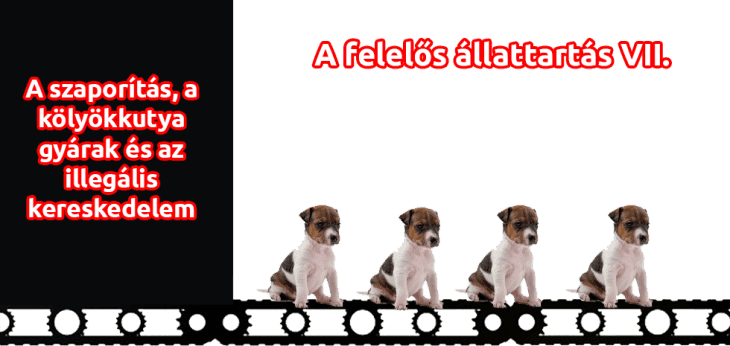
Szerte az egész világban negatív tendenciát mutat a kiskutyák szaporítása és az ehhez szorosan kapcsolódó kölyökkutyák illegális kereskedelme. Az illegális kereskedelemben árucikként értékesített kölyökkutyák jó része kutyagyárakból származik.
Olvasóinkban felmerülhet a kérdés, hogy mit értünk kölyökkutya gyárak alatt, illetve, hogyan határozható meg a kölyökkutya gyártás és kiskutyák illegális kereskedelemének fogalma. Alábbi cikkünkben erre próbálunk közérthetően rávilágítani.
A Humane Society of the United States egy olyan Szervezet (HSUS), mely kiáll az állatok jogaiért a világban. A csoport kampányai 5 aktuális problémakört céloznak meg. Ezek pedig az alábbiak:
- a gyári gazdálkodás
- az állati harc
- a szőrmekereskedelem
- a kölyökkutya gyárak és a szaporítás
- a vadon élő állatok bántalmazása
A HSUS meghatározása szerint a kölyökkutya gyárak olyan tenyésztési létesítmények, ahol nagy számban állítanak elő fajtatiszta kölyköket. A kiskutyákat a nyilvánosság számára közvetlenül az interneten keresztül vagy újsághirdetések által értékesítik, illetve magából a kölyökkutya gyárból árulják őket, továbbá brókerek által és szerte az országokban kisállat kereskedések is értékesítik őket.
A kölyköket 5-6 hetes korban elveszik az anyjuktól és eladják a brókereknek, akik rekeszekbe „csomagolják” őket és viszonteladásra kerülnek a kisállat kereskedésekbe szerte az országokban.

A hosszú és fárasztó utazást csak a fele kölyök éli túl és mindezt csak azért, hogy az állatkereskedésekben aztán eladják őket. A kölyökkutya gyárakban gyakran válogatás nélkül tenyésztik a kiskutyákat. Az így előállított kölykök törzskönyvvel jönnek ki a gyárakból, de a törzskönyv maga nem jelzi a minőséget, sem a hitelességet.
A kölyökkutya gyárak általában megfelelő állatorvosi ellátás, élelmiszer, víz és szocializáció nélkül adnak otthont a kutyáknak, melyekre a túlzsúfoltság és az egészségtelen körülmények jellemzőek még. A kiskutya gyárakban a kutyák nem kapnak megfelelő figyelmet sem az alapvető ápolás, sem a testmozgás terén.
A hulladék minimálisra csökkentése érdekében, a kutyákat drótpadlózatos ketrecekben tartják, mely felsérti a mancsaikat és a lábaikat. Nem szokatlan, hogy a ketreceket oszlopokként halmozzák egymásra.
A kutyagyárakban élő tenyészkutyák nem ritka, hogy szinte az egész életüket vagy a szabadban töltik, kitéve az elemeknek, vagy pedig belső ketrecekbe zárva. Midőn a tenyészkutya eléri a 4 éves kort, gyakran előfordul, hogy nincs rá tovább szükség a kölyökkutyagyárban, ezért megölik őket.
Néha a kölyökkutya gyár tulajdonosai kapcsolatba lépnek olyan közvetítő személyekkel, akiknek a közreműködésével ezek a kutyák megmenthetőek a haláltól. A mentőcsoport kap egy telefonhívást a közvetítőtől a megmentendő tenyészkutyák fajtával és teljes listájával.
2005-ben a kisállat kereskedésekben és a kölyökkutya gyárakban végzett vizsgálatok eredménye szerint, a meglátogatott helyszínek 44 %-ában találtak beteg és elhanyagolt állatokat, 32 %-ában egészségtelen, szűk vagy zsúfolt tartási körülményeket, valamint 25 %-ukban az állatoknak nem volt biztosítva az alapvető életszükséglethez megfelelő élelmiszer és víz sem.
A kölyökkutya gyárakban született kutyák a rossz tenyésztési körülmények miatt gyakran szenvednek egészségügyi és szocializációs problémáktól. A kölykök szűk környezetben születnek és növekednek, megosztva ezt a számunka is szűk területet más kutyákkal, ezért sokszor tapasztalható az ilyen kutyáknál az egészségügyi problémákon, betegségeken felül a szocializáció teljes hiánya.
További életük sem biztató, mivel a kutyákat rossz körülmények között szállítják nagy távolságokra, mely sokuknál stresszt, nem ritkán halált okoz. Akik túlélik a hosszú utazást közülük és életben maradnak, ahogy nőnek és idősödnek, hajlamosabbak légzőszervi megbetegedések kifejlődésére és tüdőgyulladásra, valamint olyan örökletes betegségre is, mint a csípő ízületi diszpláziára. Ezeken kívül a kölyökkutya gyárakból kikerülő kutyáknál gyakrabban jelentkeznek viselkedési zavarok is.
A kutyagyárakból származó kiskutyákat általában, mint fajtatisztákat értékesítik, arra törekedve, hogy minél magasabb árakat tudjanak kicsikarni értük. Azonban a válogatás nélküli tenyésztés következményeként, melyet az ilyen gyárakban végeznek, az ott született kiskutyáról nem lehet azt állítani, hogy valójában fajtatiszta. A legtöbb kutyagyár az állatokat kereskedőkön keresztül kisállat kereskedésekben értékesíti. Az is előfordul, hogy egyes kölyköket a kereskedők magukat hiteles tenyésztőknek álcázva értékesítenek.
A Canis Major online magazinban megjelent cikk szerint a kutyagyárak a II. Világháború utáni korszakban jelentek meg Amerikában. Középnyugati gazdálkodók egy alternatív megoldást próbáltak találni a kutyakölykök iránti egyre növekvő keresletre, így hozták létre az első kölyökkutya üzletet. Ahogy az üzlet nőtt, a kis- és nagykereskedelmi egységek egyre nagyobb számban adták el a kölyköket. Ezzel nagyjából egy időben megszülettek az első kisállat kereskedés áruházláncok. Bár Amerika a szülőhazája, de a mai időkben már a világ minden országában találhatunk bőven kölyökkutya gyárakat, Európán keresztül a harmadik világgal bezárólag.
A HSUS becslése szerint az USA-ban 10 000 kutyagyár működik, egy részük engedéllyel, más részük engedély nélkül. Ezen kutyagyárakból évente több mint 2 000 000 kölyök kerül ki.
Európában, konkrétan Angliában már a századforduló előtt szigorúbb szabályozást vezettek be. 1996-ban a kutyákra vonatkozólag megalkották a tenyésztési és értékesítési törvényt, amely kötelezően előírja azon tenyésztőknek az éves állategészségügyi vizsgálatot, akiknél évente öt vagy több alom születik. Azon tenyésztők, akik az Angol Kennel Club tagjai, kötelesek regisztráltatni az eladó fajtatiszta kiskutyáikat a Szervezetnél, valamint igazolniuk kell a származást és szűrővizsgálatokkal az egészségességét is. Így a vevők garantáltan betegségektől mentes, hivatalosan igazolt családfával rendelkező regisztrált kölyökhöz tudnak hozzá jutni, ha az Angol Kennel Club tenyésztőitől vásárolnak kiskutyát.
Kérlek, oszd meg ezt a bejegyzést barátaiddal és más kutyabarátokkal is, mert számukra is hasznos lehet! Köszönjük!
.
További hasznos és értékes cikkek a kutyák szerelmeseinek a szerző hivatalos honlapján tekinthetők meg.
Keresd Vámosi Ildikó kutyás cikkíró, szerző hivatalos honlapját:
Http://ildikovamosi.hu/
🙂 Köszönöm, ha megtisztelsz a látogatásoddal! 🙂