Dog training not only serves to develop good behavior in the dog but is also crucial in building a strong, trusting relationship between the owner and the dog. In the article below, we present in detail the basics of dog training, the correct methods, and common mistakes to avoid.
When Should You Start Dog Training?
The Earlier, The Better: Dog training should begin in puppyhood, when the dog is 8-12 weeks old. During this period, the dog's brain is very receptive to new information, so it can easily learn basic commands and behavioral norms. Early training helps prevent the development of bad habits and ensures the dog is well socialized.
Methods for Dog Training
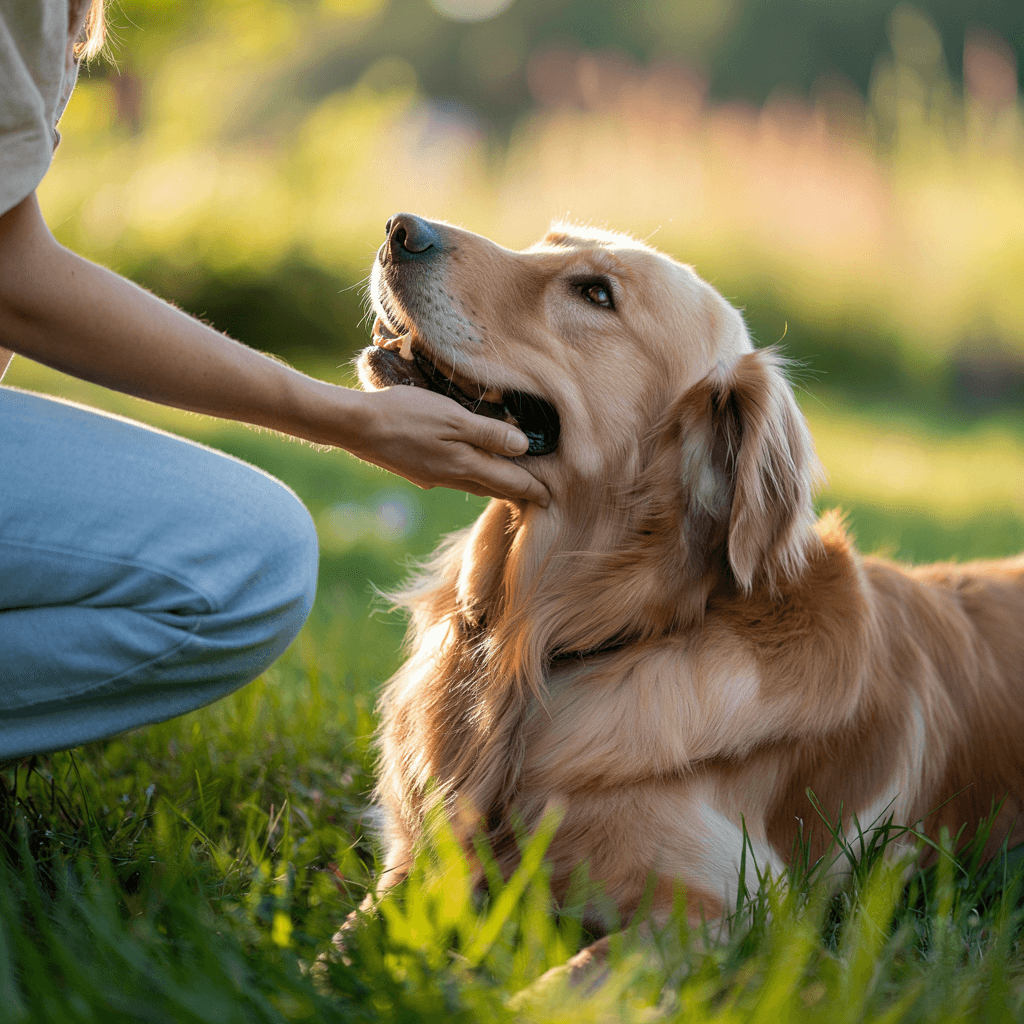
Positive Reinforcement: Positive reinforcement is the most effective method for teaching dogs. This means rewarding the dog when it behaves correctly, for example with treats, praise, or play. The reward reinforces the desired behavior and motivates the dog to continue behaving well. It is important that the reward immediately follows the correct behavior, so the dog associates the two.
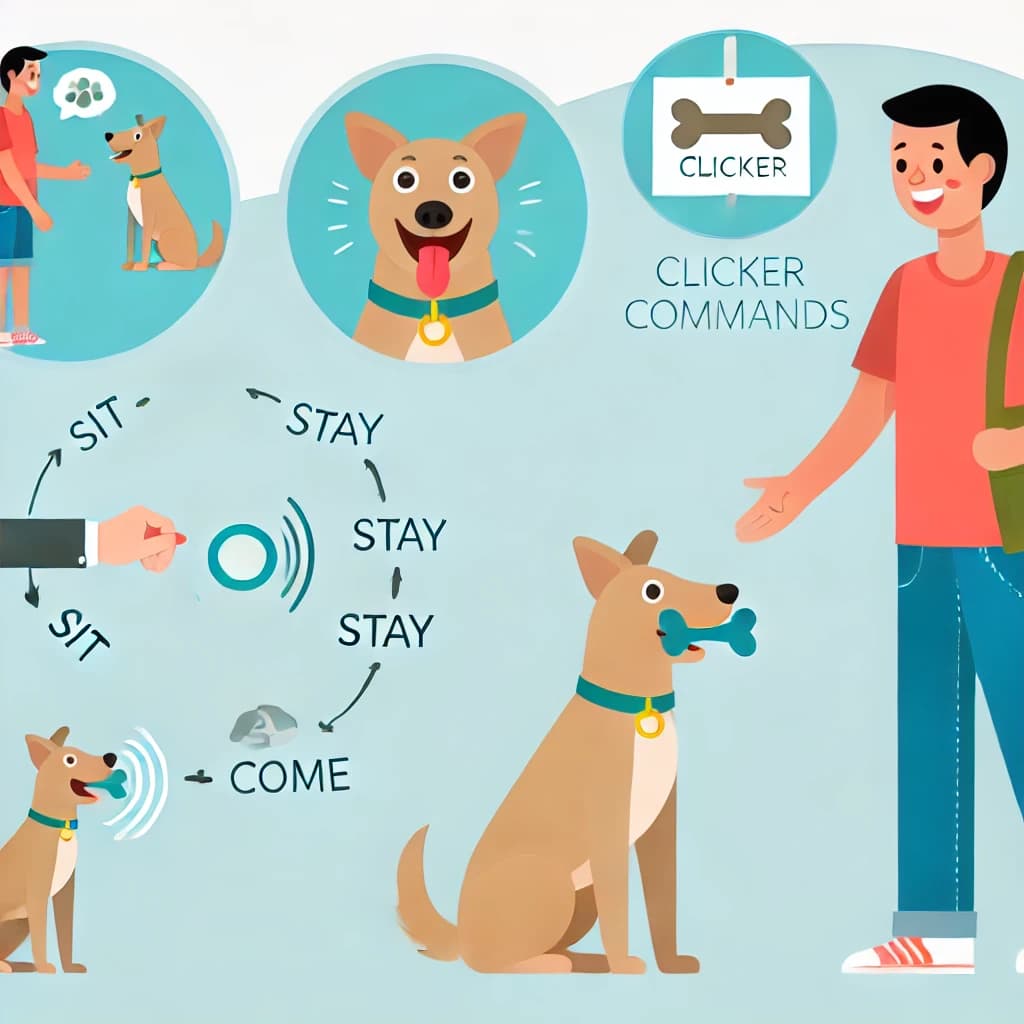
Clicker Training: Clicker training uses a special sound signaling device, the clicker. When the dog behaves correctly, we press the clicker and then reward the dog. The dog quickly learns that the clicker sound signals the arrival of a reward. This method is especially useful for teaching more complex commands and tricks.
Consistency: Consistency is key in dog training. Rules and commands must be applied the same way by every family member. If the dog receives different signals from different people, it can become confused and won’t know what is the correct behavior. Consistency helps the dog understand what is expected of it.
Short, Frequent Training Sessions: Dogs’ attention easily drifts, so training sessions should be short but frequent. Multiple short trainings per day (5-10 minutes) can be more effective than one long one. Short trainings help maintain the dog’s interest and attention.
Common Mistakes to Avoid
Punishment: Punishment is not a recommended method in dog training. Physical or verbal punishment can frighten the dog and cause loss of trust. Dogs do not always understand why they are being punished, which can lead to confusion and anxiety. Instead, focus on positive reinforcement and avoid punishment.
Excessive Expectations: It is important to have realistic expectations of the dog. The learning process takes time, and every dog progresses at a different pace. Be patient and give the dog enough time to learn. Excessive expectations can lead to frustration and failure experiences for both the dog and the owner.
Inconsistency: If the owner is not consistent in applying commands and rewards, the dog gets confused and will not understand what correct behavior is. All family members must uniformly apply the rules and commands. Inconsistency hinders the dog’s learning process and reduces the effectiveness of the training.
Neglect: Ignoring the dog, especially during puppyhood, can make later training more difficult. It is important that the dog receives an appropriate amount of attention and care. Socialization and playtime are fundamental to the dog’s mental and physical well-being.
Practical Advice for Dog Training
Socialization: Early socialization helps the dog learn how to behave with different people, animals, and situations. Take the dog to various places and introduce it to new people and animals. Well-socialized dogs are more confident and less prone to fear or aggression.
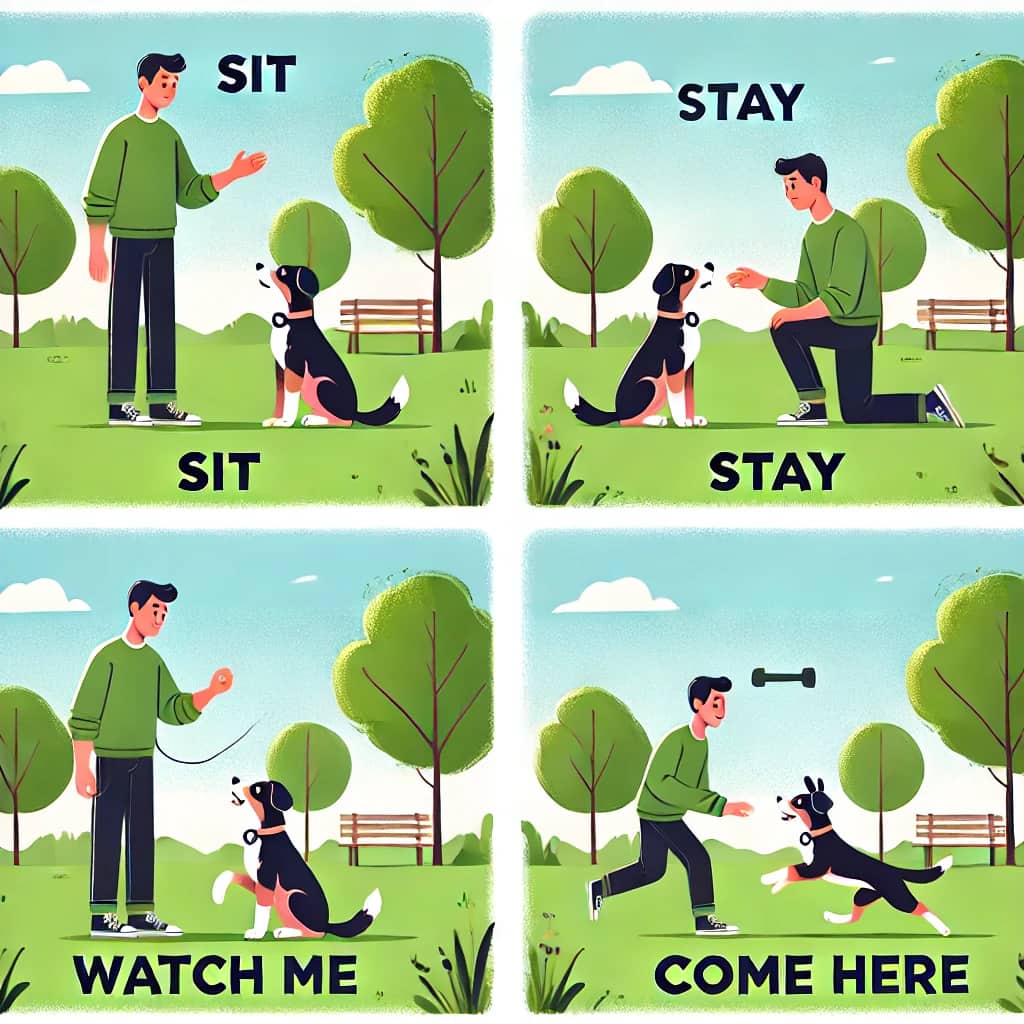
Teaching Basic Commands: Start with basic commands such as “sit”, “stay”, “come”, and “lie down”. These commands are fundamental for the dog’s safety and controllability. Use simple, clear words and gestures to teach the commands.
Establishing a Reward System: Create a consistent reward system in which the dog knows it will receive a reward for correct behavior. The reward can be a treat, praise, or play. It is important that the reward immediately follows the correct behavior so the dog associates the two.
Setting Rules and Boundaries: Set clear rules and boundaries for the dog. For example, if the dog is not allowed on the couch, consistently enforce this rule. Consistent rules help the dog understand what is right and what is wrong behavior.
Summary
Dog training is a long-term commitment that requires much patience and consistency. Starting training early and using positive reinforcement methods help ensure the dog becomes a well-behaved and happy companion. Avoid punishment and inconsistency, and always be patient with your pet.