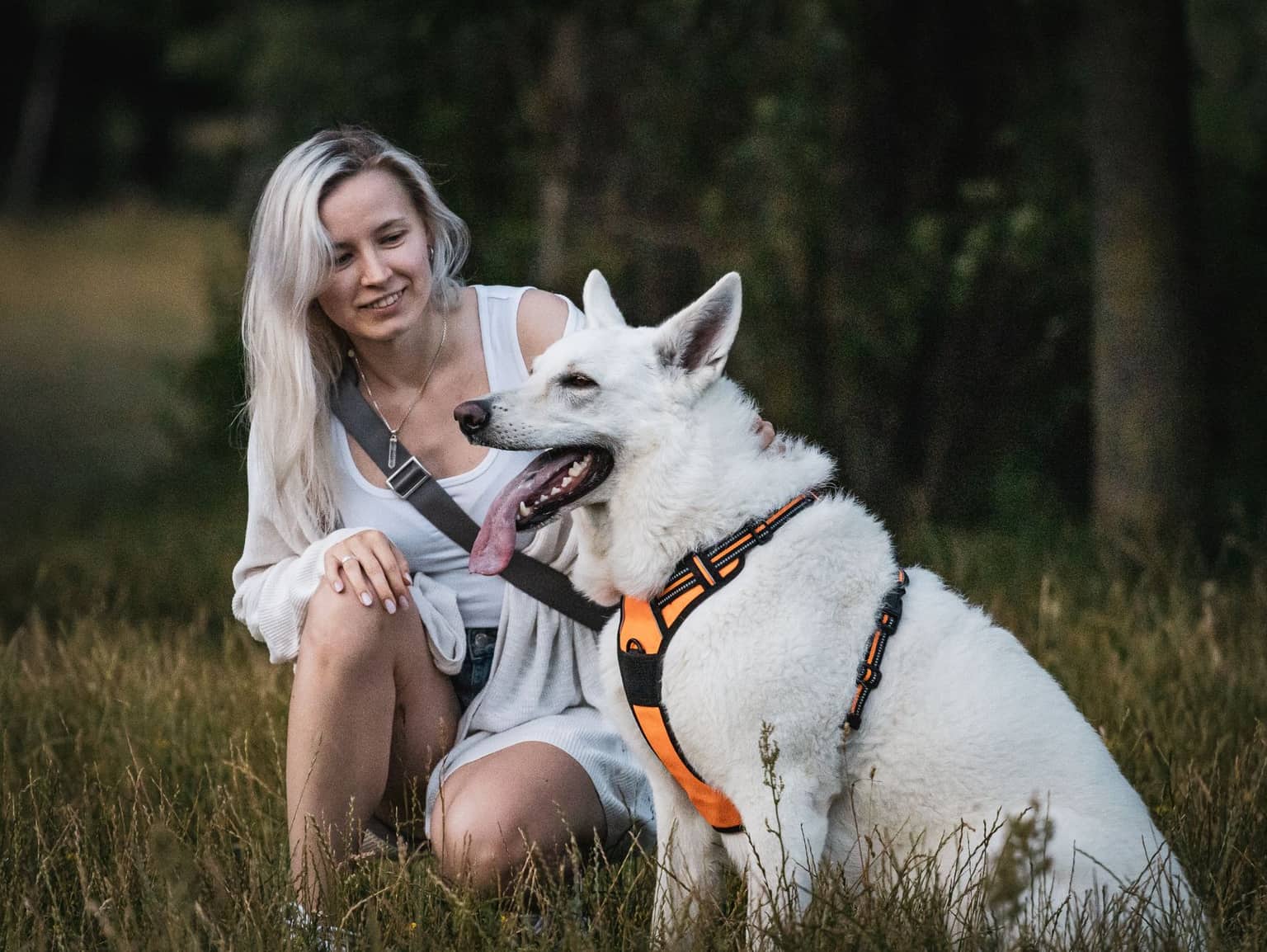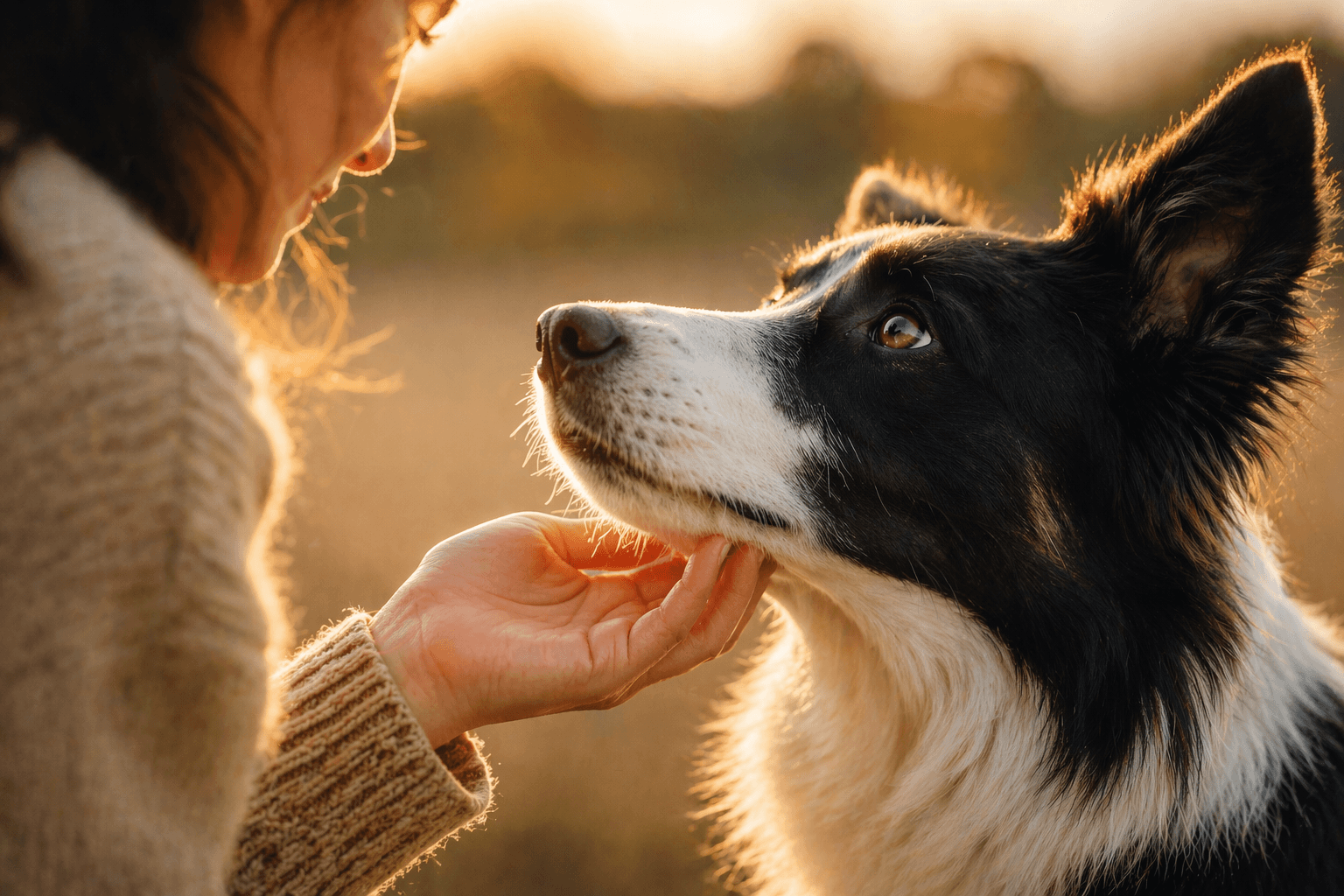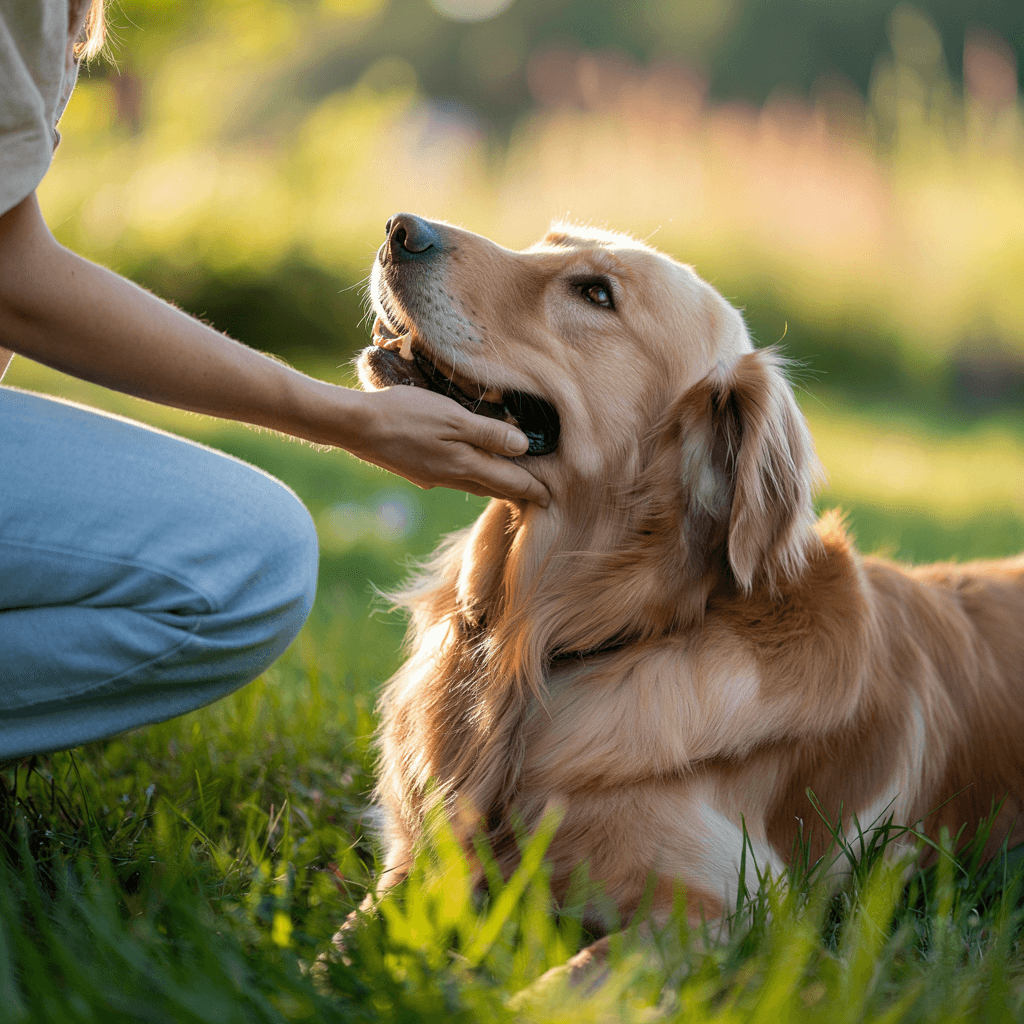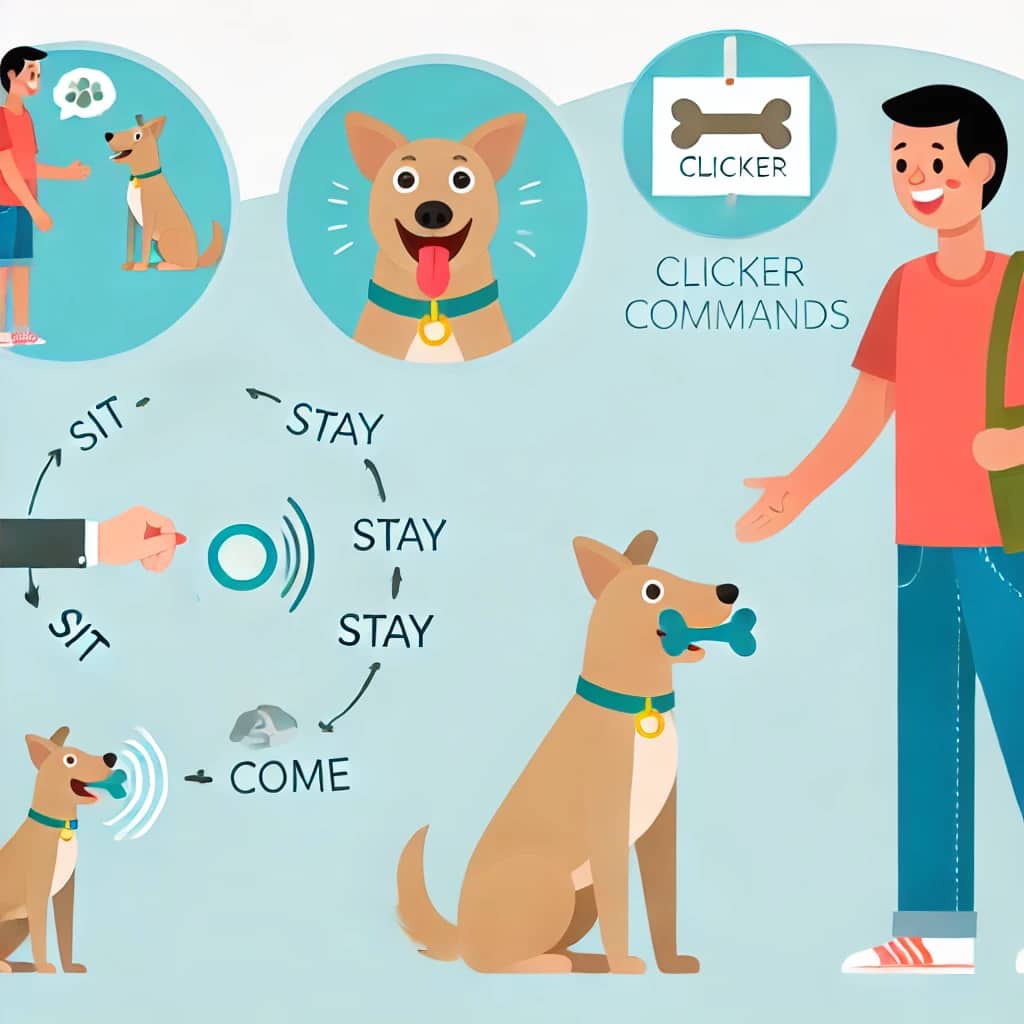
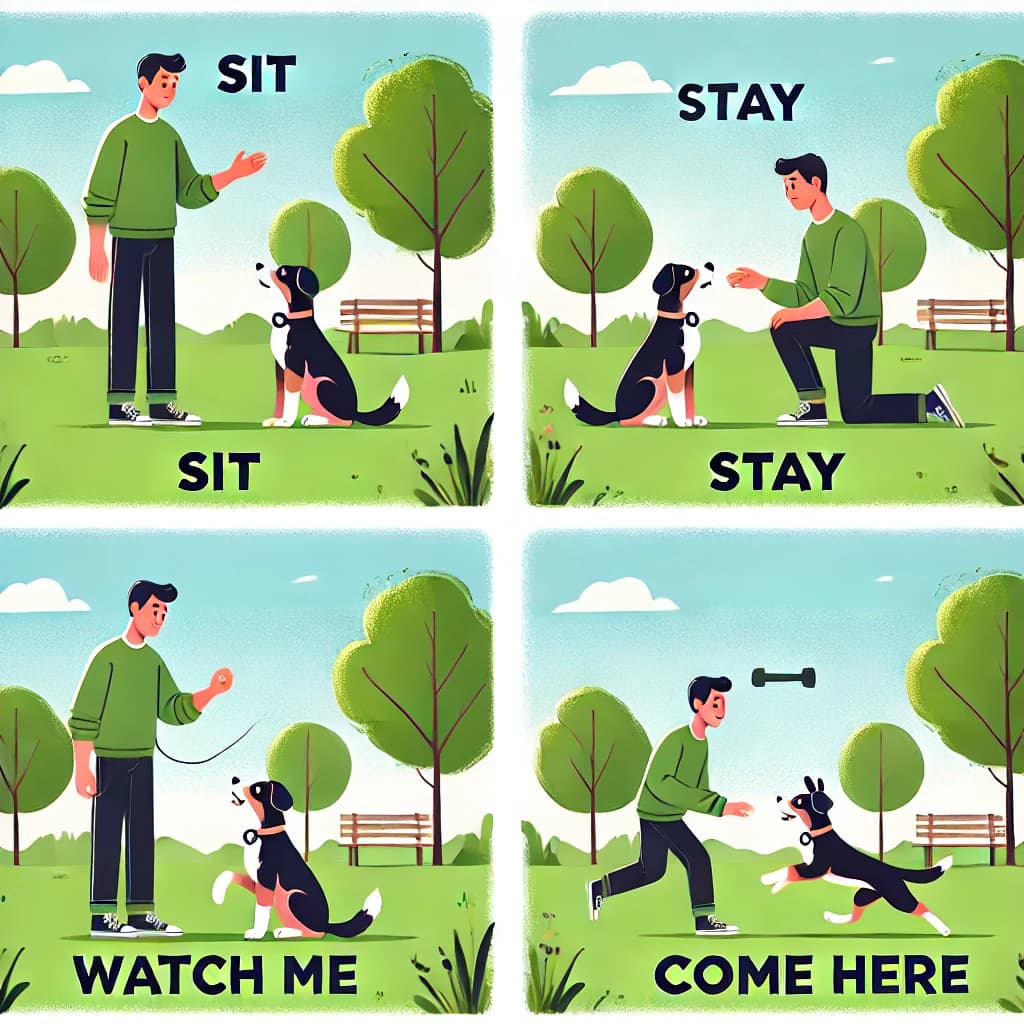
Teaching basic commands to our dog not only makes everyday life easier but is also essential for the dog's safety and well-being. The commands "sit," "leave it," "watch me," and "come" help us keep control of our dog in various situations, whether it's walking, receiving guests, or avoiding dangerous situations. These commands strengthen the bond between the dog and the owner, increase the dog's confidence, and ensure that our dog always knows what we expect from them.
- Sit
Why is it important?
The "sit" command is one of the first and most important commands a dog must learn. It is the basis for many other commands and helps direct the dog's attention.
How to teach it?
- Position yourself in front of the dog: Ask the dog to stand or sit facing you.
- Use a treat: Hold a treat in front of the dog's nose, then slowly move it upward, above the dog's head.
- Wait for the dog to sit: The dog's natural reaction is to follow the treat and sit as its head moves upward.
- Praise and reward: As soon as the dog sits, say the "sit" command and immediately reward it.
Tip:
Repeat the exercise in short but regular intervals and gradually reduce the use of treats so that the dog understands the command on its own.
- Leave it
Why is it important?
The "leave it" command helps prevent the dog from picking up or eating something that might be dangerous for it. This command is especially important during walks or when the dog is curious about something harmful.
How to teach it?
- Start with treats: Hold a treat in your palm and show it to the dog but do not give it.
- Say the "leave it" command: If the dog tries to take it, close your hand and repeat the command.
- Reward when obedient: When the dog withdraws or stops trying to get the treat, immediately give another treat as a reward.
Tip:
Practice with different objects and situations so that the dog learns to apply the "leave it" command in any circumstance.
- Watch me
Why is it important?
Teaching the "watch me" command helps quickly capture the dog's attention, especially in distracting environments. This command is also fundamental for the successful execution of other commands.
How to teach it?
- Attract attention: Hold a treat near your eye and call the dog's attention.
- Say the "watch me" command: As soon as the dog makes eye contact, say the command and reward it.
- Repeat and reinforce: Practice regularly in different situations so the dog gets used to focusing on you when asked.
Tip:
Use the dog's name before the command to direct its attention even better.
- Come
Why is it important?
The "come" command is used to recall the dog and is essential for keeping the dog safe when off-leash. With this command, we can call our dog back if it ventures too far or gets into danger.
How to teach it?
- Let's start from a short distance: Call the dog to you from a short distance and say the "come" command while showing him the treat.
- Praise and reward: When the dog comes to us, immediately praise him and give him the treat.
- Gradually increase the distance: Repeat the exercise from progressively longer distances so that the dog gets used to coming back to us anytime we call.
Tip:
When practicing the "come" command, always associate a positive experience with it so that the dog responds to the call joyfully and quickly.
Summary
Teaching the four basic commands is crucial for maintaining a harmonious relationship between the dog and the owner. These commands not only make everyday life easier but also increase the dog's safety and the owner's control in various situations. The key to success is patience, consistency, and positive reinforcement. If we follow these steps, we will soon enjoy the benefits of a well-behaved and obedient dog.