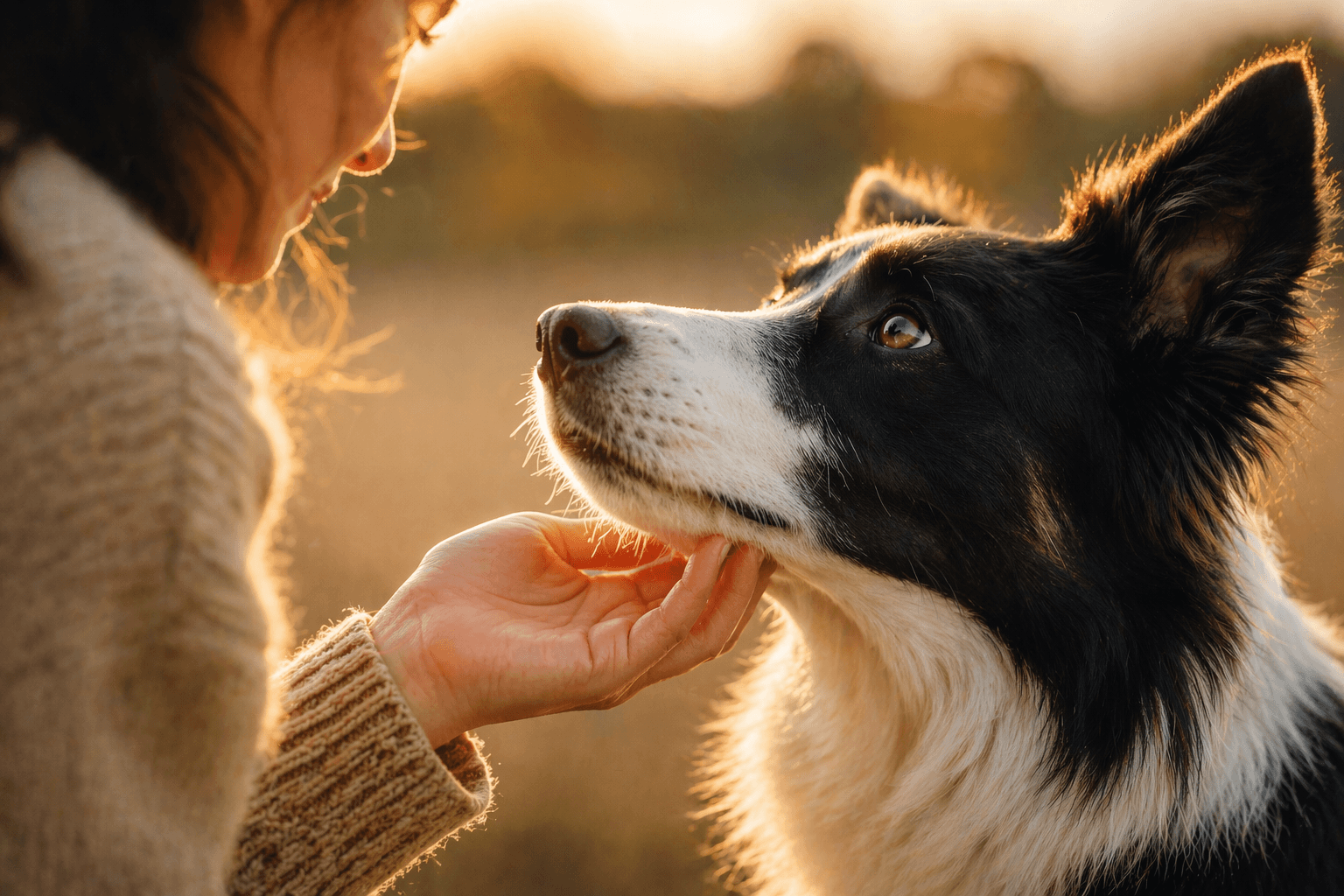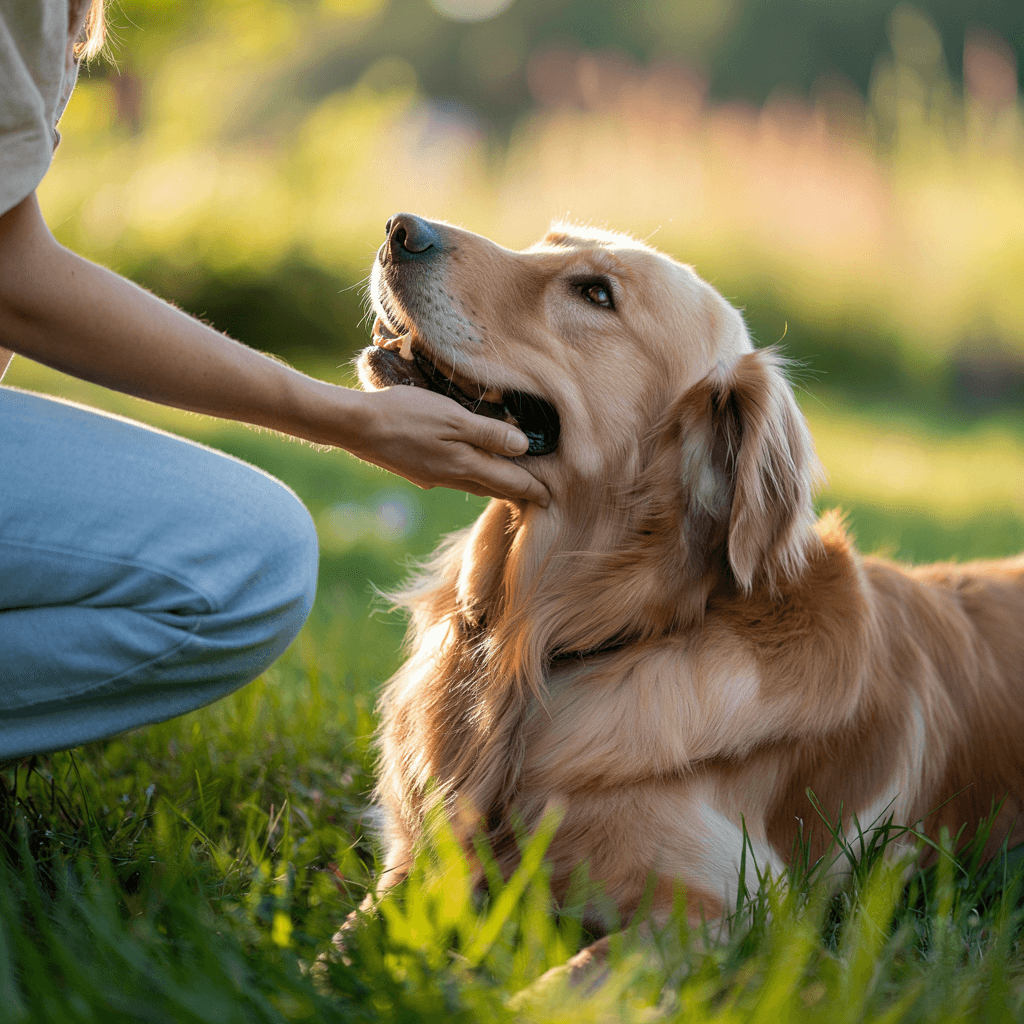

The relationship between humans and dogs is more than just a pet-owner bond. It is a connection built on understanding, love, and belonging. A dog's behavior reveals a lot about its feelings, needs, and thoughts, and it is important for owners to learn to interpret these signals in order to develop a harmonious and happy relationship between themselves and their dog.
Ways of Communication: Language, Body Language, and Sounds
Dogs communicate not only verbally with us but also through their body language and moods. Just like in human language, there are many signs and symbols in dog behavior that allow us to better understand them. Some common modes of communication to watch for:
1. Body Language: The dog's posture, tail wagging, ear movement, and facial expressions can all be important signals. For example, a happy, joyful dog shows friendliness and openness with tail wagging, relaxed ears, and an open mouth.
2. Sounds: Dogs use different sounds to express themselves. Whining, barking, whistling, and meowing can all have different meanings and help us understand our dog's mood and needs.
3. Smells and Touch: A dog's sense of smell and touch are also important communication tools. For instance, by sniffing and making contact with other dogs or people, the dog gathers and conveys information about its environment and feelings.
What Can a Dog's Behavior Communicate?
A dog's behavior can indicate many things, and it is important to understand these signals in order to respond appropriately. Some common dog behaviors and their meanings:
1. Tail Wagging: Generally signifies happiness or excitement, but context is important. An anxious or tense dog may also wag its tail, which can be a sign that it needs to be calmed or observed.
2. Whining and Whistling: These sounds usually signify a warning or a call for attention. The dog whines or whistles to indicate something is bothering or interesting it.
3. Digging and Burrowing: These activities may be signs of boredom or excess energy but often also indicate that the dog is trying to express something or understand its environment.
4. Fear or Aggression: Tense or aggressive behavior, such as growling, snarling, or biting, usually indicates that the dog feels uncomfortable or threatened.
What Can We Do to Understand Dog Communication?
The first step in understanding dog behavior is attentiveness and sensitivity. Observe the dog’s body language, sounds, and reactions in different situations. It is important to learn to distinguish between different signals and to adapt to the dog’s needs and emotions.
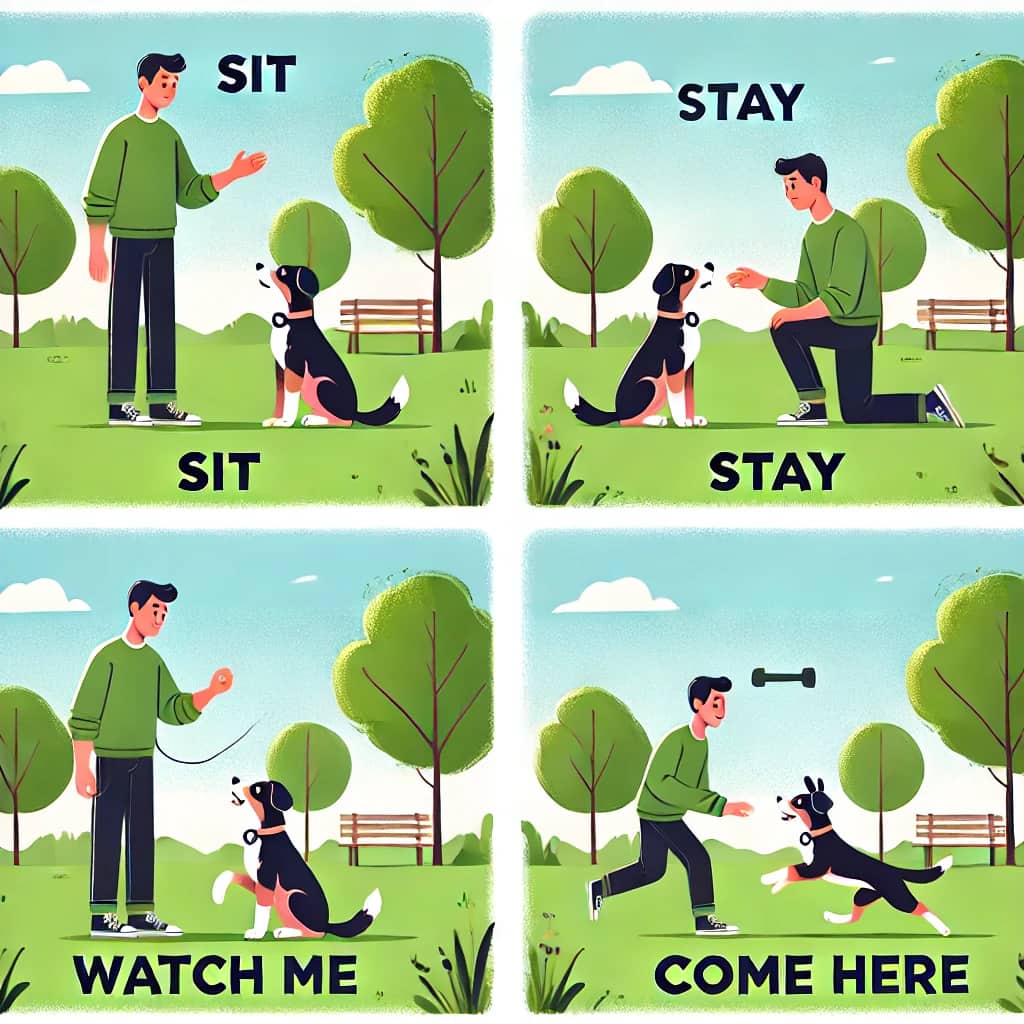
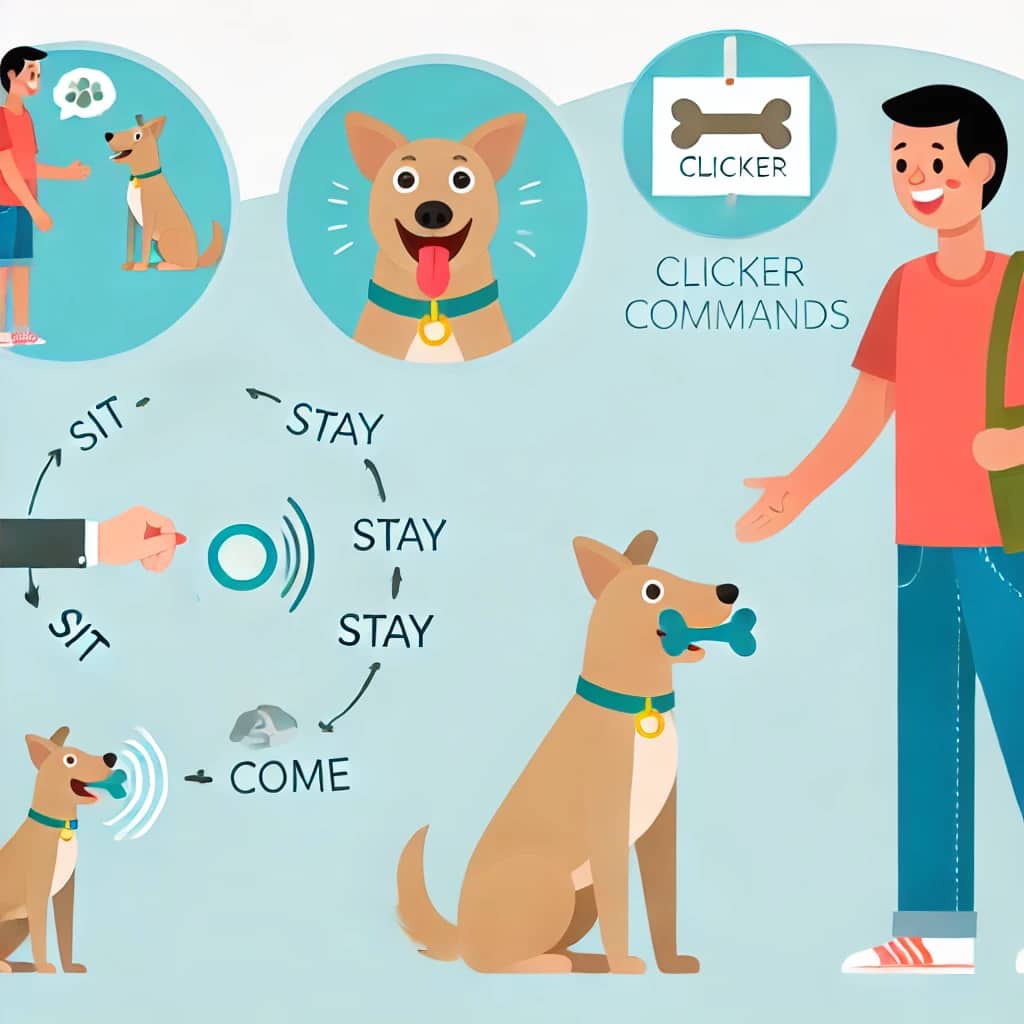
Furthermore, remember that positive reinforcement and love-based training can help the dog understand expectations and respond appropriately. Mutual understanding and patience are crucial for establishing a happy and harmonious relationship between our dog and us. The language of dogs is far more than what words can express, and if we pay attention, we can learn a great deal from our loyal companion.