The nutrition of dogs is fundamentally important for their health and well-being. A proper diet provides dogs with the necessary nutrients that help with healthy growth, a strong immune system, and overall good condition.
But what happens if the dog gets diarrhea or an allergy?
Diarrhea and allergies are common problems in dogs, and both can be related to nutrition. Causes of diarrhea can include consumption of poor-quality food, food allergy, food sensitivity, or intestinal infection. Allergy may refer to hypersensitivity to proteins or ingredients found in food.
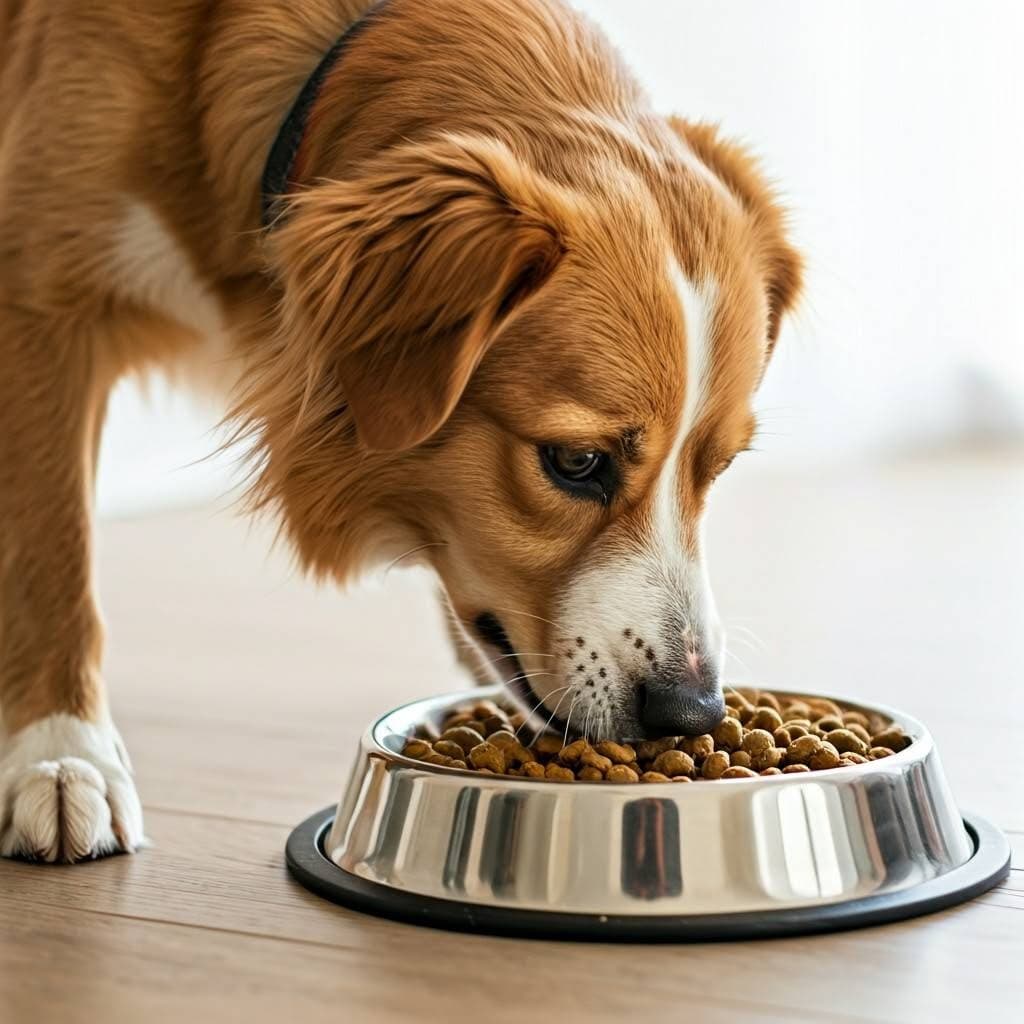
Dry or wet food?
The advantages of dry food include longer shelf life, lower storage requirements, and lower price. Its disadvantage is that it contains less water, which can lead to dehydration, and it may be less palatable for dogs.
The advantage of wet food is that it is tastier and contains more water, which helps with hydration. Its drawbacks are shorter shelf life, greater storage requirements, and higher price.
The perfect diet
A proper, balanced diet depends on the dog's age, breed, activity level, and health status. High-quality, complete foods provide dogs with the necessary nutrients.
It is important to also consider the composition of the food. Avoid foods containing artificial colorings, flavor enhancers, and preservatives. Fresh, natural ingredients are the best choice.
Supplementary foods
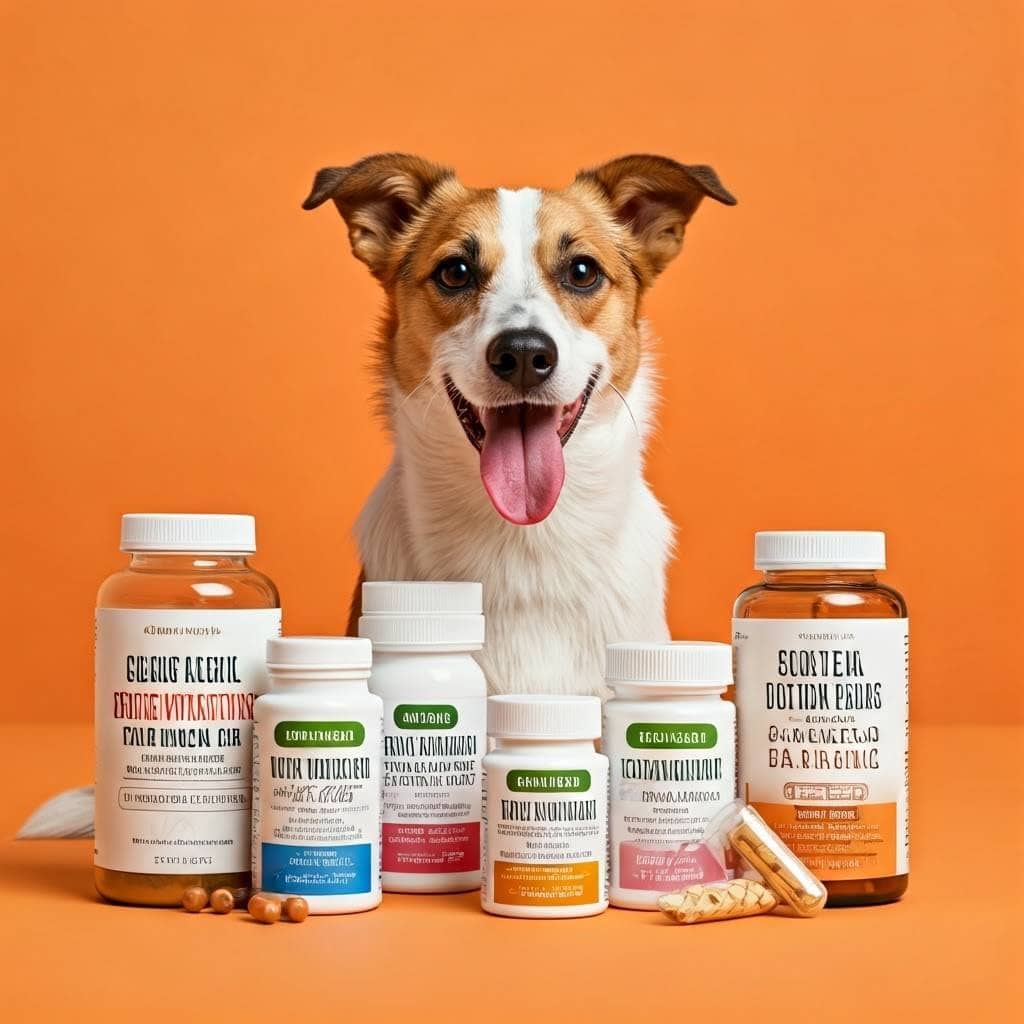
Supplements such as probiotics, prebiotics, and omega-3 fatty acids can help maintain intestinal flora health and strengthen the immune system.
What can we do if the dog gets diarrhea or an allergy?
If your dog experiences diarrhea or an allergic reaction, you can take the following steps to manage the situation:
In case of diarrhea
1. Fasting (12-24 hours): Skip a meal to allow the stomach and intestines to rest. Always provide fresh water to prevent your dog from becoming dehydrated.
2. Introduce a gentle diet: After the fasting period, give easily digestible foods, such as:
- Cooked rice
- Cooked chicken (without skin and bones)
- Cooked potatoes (without spices)
3. Probiotics: Veterinary probiotics can help restore intestinal flora.
4. Monitor water intake: Ensure the dog does not become dehydrated. If the diarrhea lasts more than 24-48 hours or if bloody stools appear, contact a veterinarian immediately.
5. Avoid heavy foods: Do not give fatty, spicy, or dairy foods as these can worsen the problem.
In case of allergic reaction
1. Recognize allergic symptoms:
The most common symptoms:
- Skin rash, itching
- Red eyes
- Sneezing, coughing
- Diarrhea or vomiting
- Swollen face, lips, or paws
2. Eliminate allergen source:
Try to identify and remove the potential allergen:
- Food (e.g., chicken, grains, dairy)
- Environmental factors (e.g., pollen, dust, chemicals)
- Flea or insect bites
3. Veterinary antihistamine: A veterinarian may recommend antihistamines or other medications to relieve allergic symptoms.
4. Hypoallergenic diet: Introducing hypoallergenic dog food can help manage food allergies.
5. Bathing with special shampoo: If itching is caused by skin irritation, use an anti-inflammatory or hypoallergenic shampoo recommended by your veterinarian.
6. In case of severe reaction: If your dog shows signs of respiratory difficulty or anaphylactic shock (e.g., severe swelling, fainting), seek veterinary care immediately as this can be life-threatening.
When to see a veterinarian?
- If diarrhea or allergic reaction does not improve within 1-2 days.
- If the dog's condition worsens, such as:
- Lethargy
- Blood in stool
- Respiratory difficulty
Summary
The nutrition of dogs is extremely important for their health. The proper diet provides dogs with the necessary nutrients that help with healthy growth, a strong immune system, and overall well-being. Diarrhea and allergies are common problems in dogs, which can be related to nutrition. Both dry and wet foods have advantages and disadvantages in both cases. A balanced diet and high-quality food are the best choices for maintaining dogs' health.