The Most Common Digestive Disorders in Dogs: Symptoms and Treatments
Dogs, as our loyal companions, often share many aspects of life with us, unfortunately including health problems. Digestive disorders in dogs are extremely common and can appear in many forms. These conditions affect not only the comfort of dogs but can also result in serious health consequences if not properly treated. Below, we present the most common digestive disorders, their symptoms, and treatments to help owners make the best decisions to preserve the health of their pets.
One of the most common digestive problems is diarrhea, which can develop for several reasons, such as food allergy, infections, or even stress. Diarrhea is often accompanied by vomiting, loss of appetite, and lethargy. It is important that if these symptoms last more than one to two days, or if the diarrhea is bloody, we should immediately consult a veterinarian, as these signs may indicate more serious diseases.
Bloating, also known as gastric dilation, is also a common phenomenon, especially in larger dogs. This condition occurs when the stomach fills with gas or fluid and swells. In severe cases, bloating can be life-threatening if the stomach twists on itself, obstructing blood circulation. The treatment of bloating requires urgent veterinary intervention, as this condition can rapidly become fatal.
Gastroenteritis is another common digestive issue, referring to inflammation of the stomach and intestines. Symptoms include vomiting, diarrhea, loss of appetite, and lethargy. Gastroenteritis can be caused by viral or bacterial infections, but it can also be triggered by side effects of certain medications. Treatment usually depends on the severity of the condition and may include hydration, dietary changes, and antibiotics if necessary.
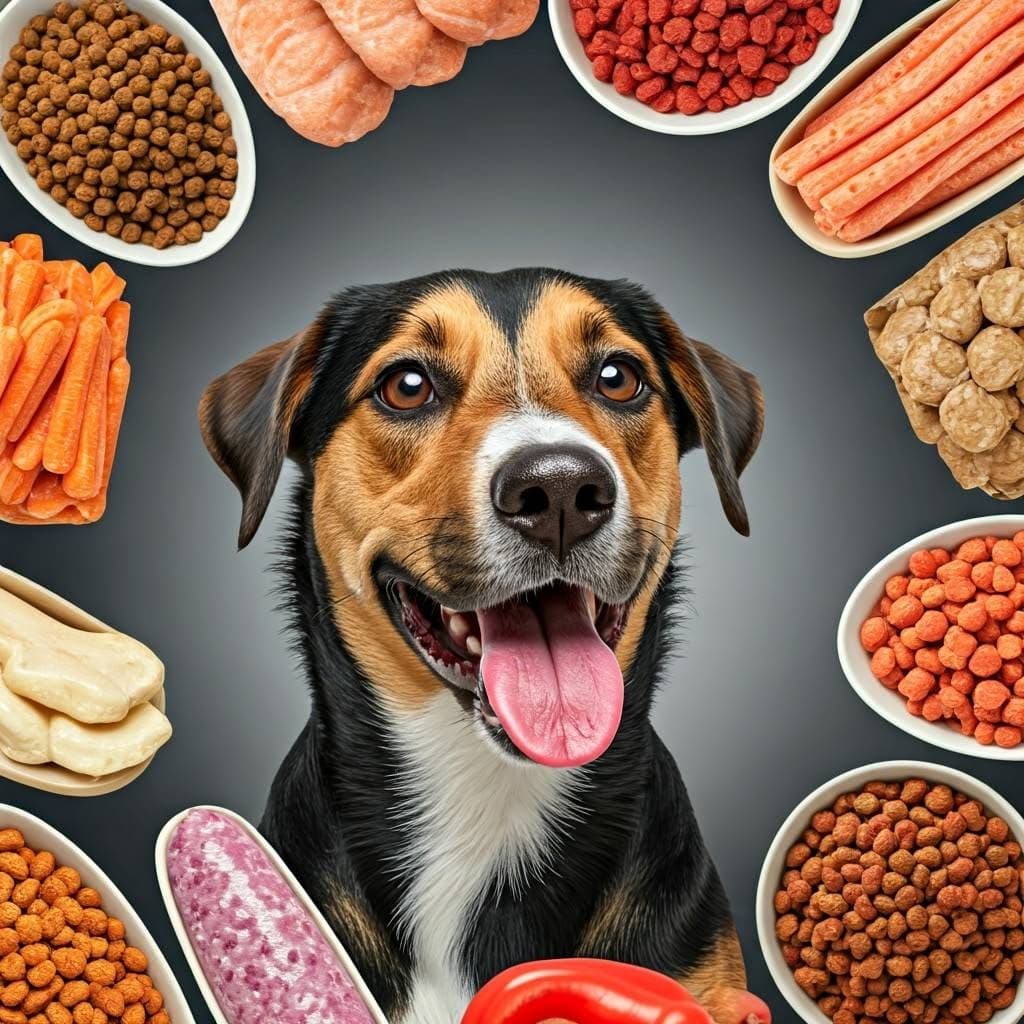
Proper nutrition and veterinary care are crucial in the treatment of digestive disorders. Dietary changes, such as introducing easily digestible foods, can help soothe the stomach and restore normal digestion. It is important that dogs drink fresh, clean water and avoid foods that may irritate the digestive system or trigger allergic reactions.
Last but not least, regular veterinary check-ups are essential for maintaining dogs' health. Veterinarians can recognize early signs of digestive problems and advise on their prevention or treatment. Additionally, maintaining a healthy weight and regular exercise also contribute to preserving the health of the digestive system.
In summary, although digestive disorders can be common in dogs, with the right knowledge and care, owners can significantly reduce their pets' suffering and improve their quality of life. Always keep your pet’s well-being in mind and do not hesitate to seek veterinary help if needed.
Food Allergies and Intolerances in Dogs: How to Recognize and What to Do?
Dogs, as our loyal companions, often share many aspects of life with us, sometimes including our eating habits. However, what is healthy for humans is not necessarily so for dogs. That is why it is important to be aware of dogs' food allergies and intolerances, as these conditions can significantly affect our pets' well-being.
In the case of food allergy, the dog's immune system mistakenly identifies certain food components as threats and triggers an allergic reaction. This reaction can cause skin irritation, itching, and possibly digestive problems as well. Food intolerance, on the other hand, is not an immune response but a result of digestive system disorders where the dog cannot properly digest certain foods.
The most common allergens include beef, chicken, milk, eggs, wheat, soy, and corn. If we suspect our dog is allergic or intolerant to some food, it is important to observe the symptoms they show. These may include skin problems such as increased scratching, redness, or hair loss, as well as digestive issues like diarrhea or vomiting.
To diagnose food allergies and intolerances, you should consult a veterinarian. The veterinarian will likely recommend an elimination diet, which means feeding the dog exclusively hypoallergenic or very limited ingredient food for a period. Then new ingredients are gradually introduced into the diet to observe which one triggers a reaction.
Once we have identified the allergenic or intolerant food, the best solution is to completely avoid the given ingredient. Nowadays, many dog food brands offer special formulas that help avoid the most common allergens. Additionally, giving probiotics and digestion-supporting supplements can also improve the condition of the dog's digestive system.
It is important to note that every dog is unique, and what works for one may not necessarily be good for another. Therefore, it is especially important to apply a personalized approach when making decisions regarding our dog's diet. Continuous observation and close cooperation with the veterinarian can help ensure that our dog remains healthy and happy.
In summary, food allergies and intolerances in dogs can pose serious challenges, but with proper attention and treatment, they can be well managed. Recognizing and addressing these problems in time can contribute to our pet's well-being and health in the long term. Let us remember that prevention and conscious nutrition can be key in improving the quality of life for dogs.