
Neutering dogs is one of the most common and important veterinary procedures that responsible owners consider. Neutering has numerous advantages and disadvantages, as well as certain risks. In this article, we review why it is worth or not worth neutering your dog, what conditions are necessary to perform the surgery, and how to prepare for the procedure.
The Advantages of Neutering
1.Health Benefits: Neutering can help prevent certain diseases, such as pyometra in females and testicular cancer in males. Neutered females also have a reduced risk of developing mammary tumors.
2.Behavioral Benefits: Neutering can often reduce unwanted behavioral forms, such as territorial aggression, tendency to escape, or marking habits. This can be especially important in urban environments where dogs often interact with other animals and people.
3.Population Control: By neutering, you contribute to reducing the number of stray dogs. This is especially important as animal shelters are often overloaded, and neutering prevents unwanted litters.
The Disadvantages of Neutering
1.Potential Health Risks: Although neutering has many health benefits, some studies suggest it may increase the risk of certain diseases, such as osteoporosis or some joint problems. Weight gain after neutering is also common, so the dog's diet and exercise needs must be carefully managed.
2.Behavioral Effects: In some dogs, unwanted behaviors may persist after neutering, and in some cases new behavioral problems may develop, such as increased fearfulness or aggression.
The Dangers and Risks of Surgery
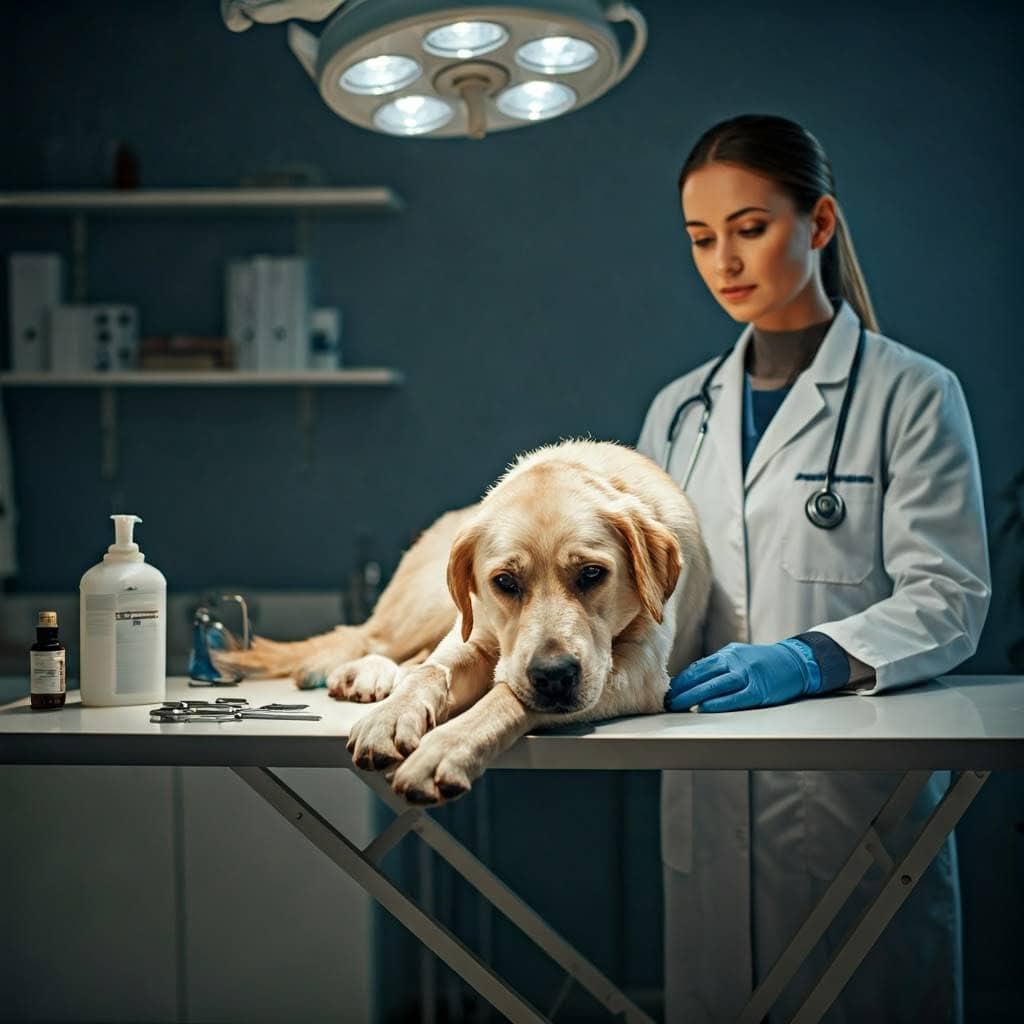
Like all surgical procedures, neutering carries certain risks. The anesthesia used during surgery can be risky in itself, especially in older or sick dogs. Additionally, postoperative complications such as infections, bleeding, or slow healing may occur. Therefore, it is important that the surgery is performed by a reliable veterinarian who thoroughly examines the dog before the procedure.
How to Prepare for Surgery?
1.Veterinary Consultation: Before the surgery, consult your veterinarian to assess the dog's health status. This may include blood tests and other diagnostic tests to rule out possible risk factors.
2.Diet and Exercise: The dog should not be fed the day before surgery to avoid vomiting during anesthesia. Drinking water is usually allowed, but this should also be discussed with the veterinarian.
3.Aftercare: Prepare a comfortable place at home where the dog can rest peacefully after surgery. It is important to monitor the cleanliness of the operated area and follow the veterinarian’s instructions regarding wound care and pain management.
Summary
Neutering can be beneficial for many dogs, but before making the decision, all possible risks and benefits must be considered. It is important to be well informed and to make the best decision for your dog’s health and well-being together with your veterinarian.