This article deals with breed selection. Which breed should we choose, and how should we decide? Many questions arise before such an important and decisive decision among people, families, and buyers. Many factors must be considered when choosing a breed. Let's start at the beginning:
Choose a breed that suits our lifestyle
We must take into account how much time we can spend with the puppy daily, how much time we can dedicate to caring for the puppy. A puppy needs daily care, nurturing, and training; we must be able to decide how much time we will dedicate to it each day and accordingly choose the breed.
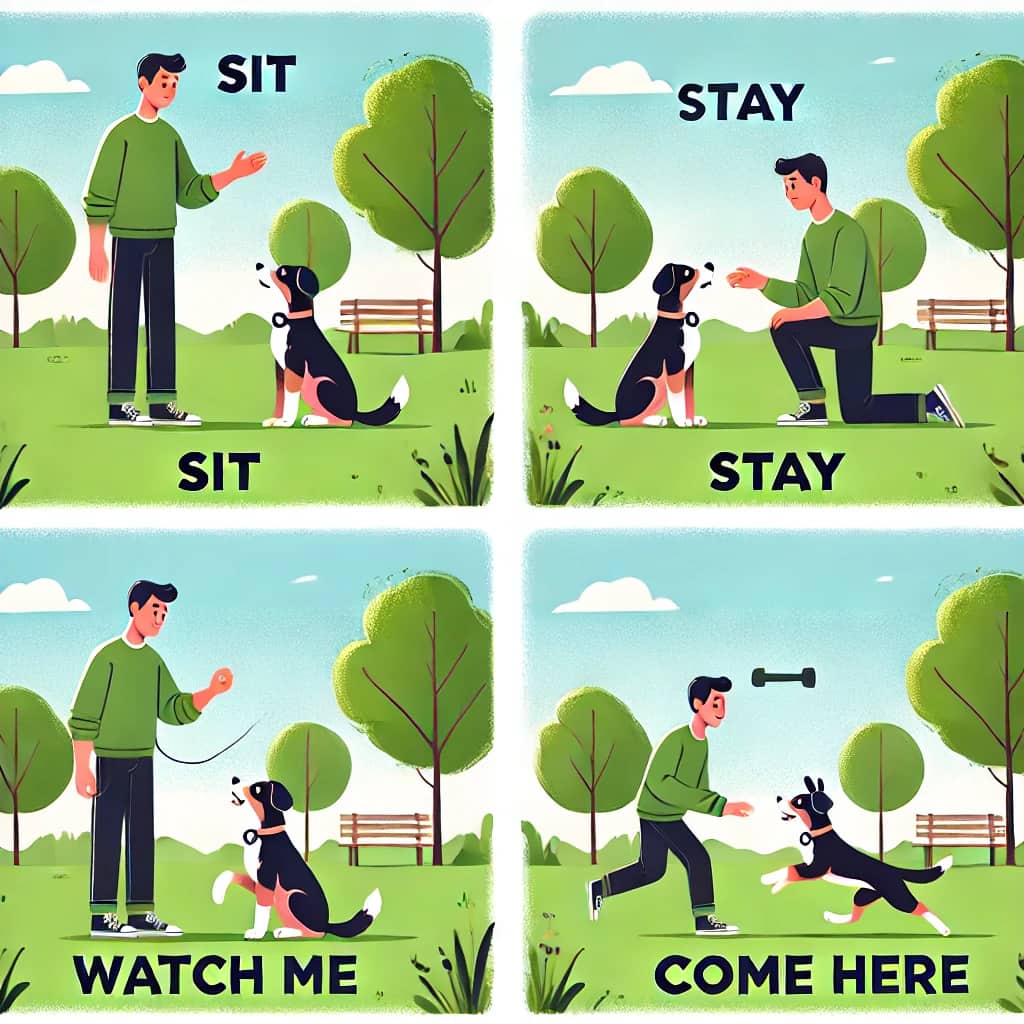
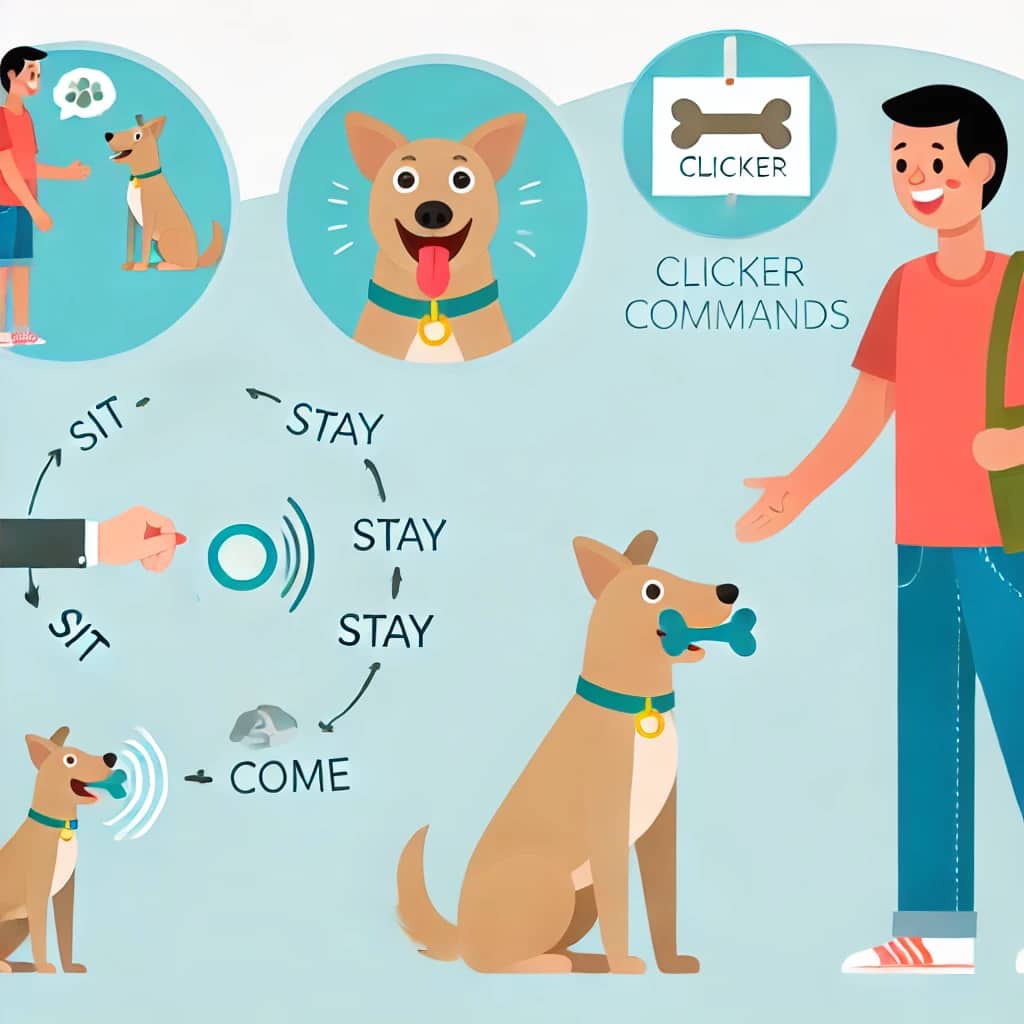
The dog must be fed, watered, walked, and cared for daily; some breeds need to be trained in obedience and taken to dog school periodically, all of which requires a lot of time over several months. A puppy requires continuous attention until it is 1 year old, needs to be raised and trained, and should not be allowed everything; it must know its place in the family hierarchy. We can train it with positive reinforcement. This way, we can achieve living every day with a happy and balanced dog!
Temperament is important
Temperament also counts a lot. Should we choose an active dog that is constantly moving or one that is content with just a short daily walk, calm and resting all day?
We must consider our life rhythm; a person living a calm lifestyle should not choose an active dog, because the end result will be that they won’t be able to manage the dog, the dog will become uncontrollable, and may even take over dominance from the human. The opposite is also true: someone who leads an active life should not choose a dog with a calm temperament.
We must consider our living space when choosing
Where do we live? In a house with a garden where the dog can run around well or in a block apartment in a housing estate where the dog's opportunities for movement are much smaller? If we live in a house with a garden, we can take on a dog with greater exercise needs; if in an apartment on an upper floor of a block, it’s definitely better to get a smaller and less active dog.
Size also matters a lot
Small, medium, or large dog? This also depends on our living space. Naturally, a large dog is not recommended for an apartment on an upper floor, as it would not feel comfortable in a smaller living space.
Long-haired, short-haired, or hairless?
The next aspect to consider is the coat length. Do we want a short-haired, long-haired, or hairless breed? We must decide if, in case of choosing a long-haired breed, we can properly and regularly care for and maintain our dog's coat. We should only choose a long-haired dog if we can commit to the associated grooming, brushing, trimming, and clipping required by the breed's coat.
Male or female?
The eternal question: should we choose a male or a female? Which is more sympathetic? Female dogs are more compliant, have a kinder nature, are less stubborn, easier to handle, and bond better with humans. Male dogs are generally larger than their female counterparts, can be more dominant and aggressive, and care must be taken that they don’t take over dominance from their owners. Often, neutering can solve this problem because neutering reduces aggression. If we choose our dog only as a pet and not for breeding or showing purposes, it is definitely worth neutering after the age of 1, in both males and females.
A dog is a serious responsibility!
An important consideration if we decide to buy a puppy is whether the family can handle the puppy or if it might become a burden after some time? This is a main and very important point! We should think this through before choosing and making a decision. Buying a puppy is a serious moral and financial responsibility as well.
Can they handle the high purchase price (often more than 100,000 HUF or even several times that)? In a responsibly thinking kennel, puppies are delivered to new families all registered, chipped, vaccinated, and dewormed several times. The price of such a puppy poses a significant burden on families planning to buy, and every interested buyer must be aware of this.
We also need to consider whether we can afford the expenses related to the puppy, feeding, vitamins, vaccination, veterinary costs… etc. Our puppy develops the most in the first year, so our most important task in the first year is to ensure that our puppy gets all the essential nutrients needed for proper development. Primarily, feeding with high-quality puppy dog food, vitamins, regular vaccinations, dewormings quarterly. All of these require significant financial investment! Can we afford all this?
Do not buy a puppy without a pedigree!
Many prospective buyers think that if the puppy does not come with a pedigree certificate, then the purchase price of the puppy can be "much cheaper." This is certainly not true! The pedigree certificate itself is not expensive (between 5000 HUF and 10,000 HUF), it is the healthy and quality bloodline (from parents, grandparents) puppy that needs to be paid for. The breeder has many years of hard work behind this, which also involved considerable expenses over the years. Therefore, the higher purchase price is not related to the pedigree certificate.
A responsible breeder does not sell dogs without a pedigree and chip!
We must also know that a responsibly thinking breeder never sells their puppies without a pedigree and chip, so pay attention to this when buying. If a puppy is offered for sale without a pedigree and chip, we can know that the person is not a "real" breeder, but rather a puppy mill.
Many ask me why the pedigree certificate is important since they want the dog as a pet and not for breeding. Many think that the vaccination book alone is enough for the puppy, as it also contains its name and some of its data. The official "health book" certifies (from birth to purchase and throughout its life) whether the puppy has received the legally required mandatory dewormings and vaccinations, which is essential for health protection. The vaccination book is not intended to certify origin.
Only and exclusively the pedigree certificate is the sole document with which the owner can prove ownership of the dog. At the time of purchase, the breeder hands over the puppy’s pedigree certificate to the buyer along with the completed and signed form required for ownership transfer. The pedigree certificate and the ownership transfer document must be submitted or personally taken by the new owner to the Hungarian National Association of Dog Breeders, where, based on the presented documents, the puppy’s ownership will be transferred to the new owner’s name. The pedigree certificate proves that we are the owners of the puppy. The vaccination book is not intended to certify origin.
Why is the pedigree important?
The pedigree certificate is the dog’s birth registry extract and identity document at the same time. It contains all important information about the dog. Its birth date, where and to whom it was born, what registration number it was assigned, and its unique identifier, the chip number. The latter is particularly important if the dog is lost for any reason. In addition, the pedigree contains the data of the dog’s parents and ancestors back to 4 generations, meaning the names of parents, grandparents, great-grandparents, great-great-grandparents, important show results, health screening results, and pedigree numbers.
The existence of a pedigree, chip, and vaccinations is very important, so pay attention to these when buying!
If we do not have enough funds to buy a pedigreed puppy, then…
… we can do two things: save for it (put aside a smaller amount every month) or adopt a dog from a shelter or breed rescue organization.
Don’t buy cheap dogs! Do not buy from puppy mills!
If you do not have enough funds to buy a quality puppy, do not ever buy a "cheap" dog (just because you can afford it), do not support puppy mills and thereby the puppy trade; rather adopt. Numerous dogs are waiting for a new family at various animal protection organizations’ shelters and breed rescues. By adopting from such an organization, you can give a dog a chance for a better life, especially one disappointed by people and waiting for a new family. Do not support irresponsible puppy mills by buying a dog from them!
Please share this post with your friends and other dog lovers as it may be useful to them too! Thank you! 🙂
.
More useful and valuable articles for dog lovers can be found on the author's official website.
Visit Ildikó Vámosi dog article writer, author's official website:
Http://ildikovamosi.hu/
🙂 Thank you if you honor me with your visit! 🙂