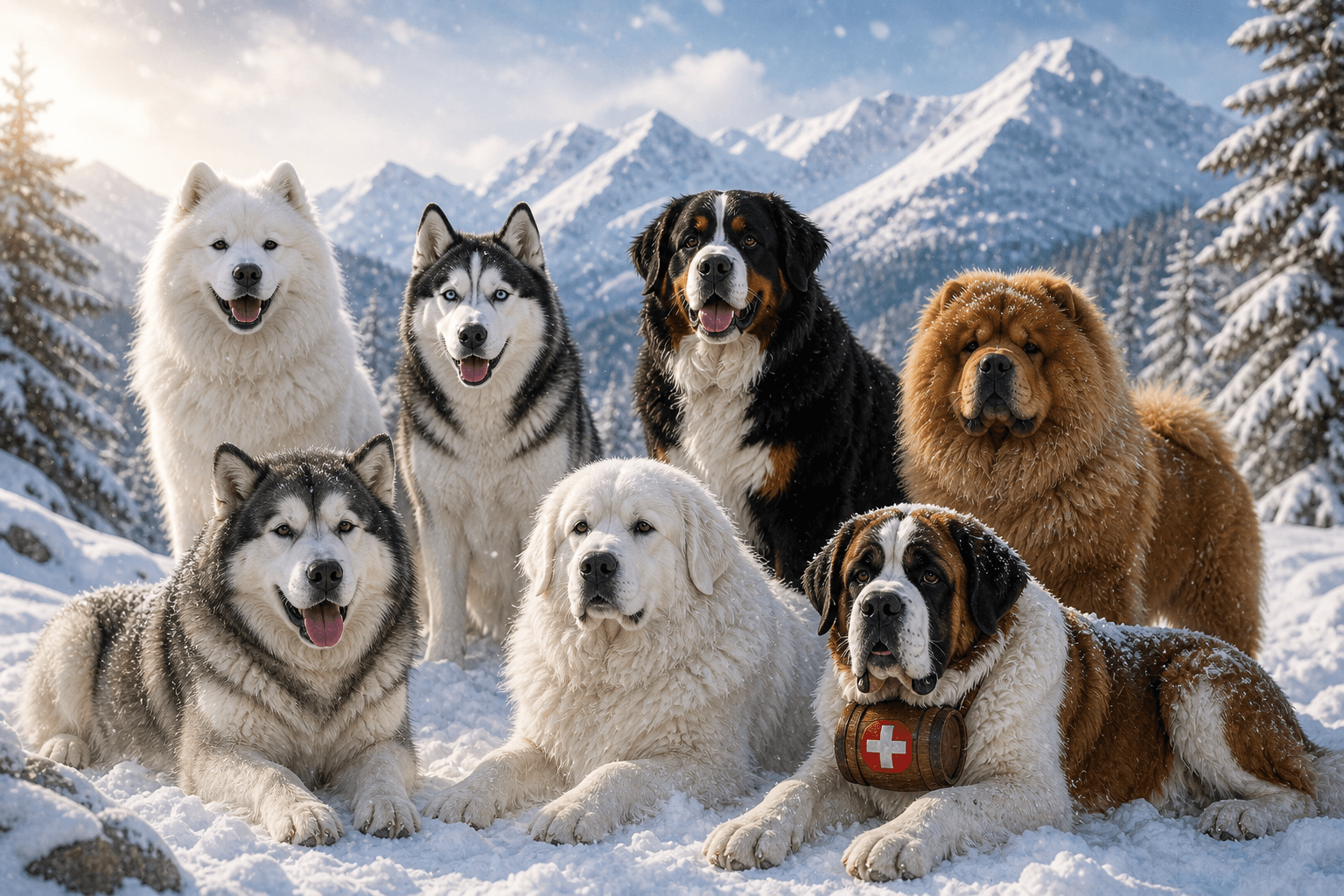
Vannak bizonyos típusú kutyák, akik kellő mennyiségű és hosszúságú, vastag szőrzettel rendelkeznek, függetlenül attól, hogy két hüvelyk vagy két láb méretűek. Mivel jól alkalmazkodnak a téli időjáráshoz, ezen fajták kiváló társai lehetnek azon embereknek, családoknak, akik a tél szerelmesei és szívesen töltik idejüket odakint a hideg, téli időjárásban, akik szeretnek a hidegben túrázni vagy kutyájukkal hancúrozni a hóban.
Mindegyik kutyafajta erős, kitartó, nagy állóképességű, erőteljes testfelépítésű, vastag, dupla szőrzetű. Jellemzően nagy „hótalpas” típusú mancsokkal és vastag talppárnákkal rendelkeznek, akik a különösen kemény időjárási körülmények között is képesek dolgozni.
A hideg, téli hónapok által inspirálva, bemutatjuk azokat a fajtákat, akik úgy tűnik, hogy a hóba születtek.
Hóimádó kutyafajták
Szamojéd:

Sarkvidéki fehér bundájával és meleg mosolyával, a szamojéd a télies időjárásra épült. A legenda úgy tartja, hogy a Szamojéd emberek és kutyáik más törzsek által űzve Északról vándoroltak fel egészen a világ széléig, ahol egy hatalmas földterületen már csak a jég és hó uralkodott. Valójában ez nem csak egy történet, a Szamojéd a való életben is bebizonyította, hogy képes kezelni a hideget. A modern időkben a fajta részt vett sarkvidéki és Antarktiszi expedíciókban is.
Szibériai Husky:
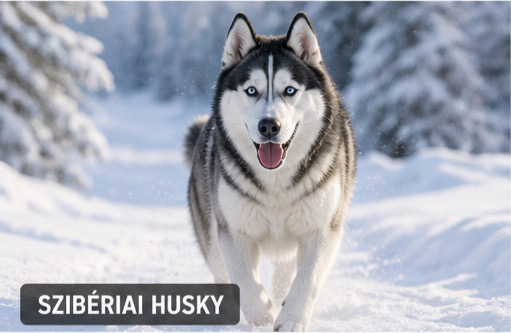
Eredetileg Északkelet-Ázsiában a Chukchi törzsek tenyésztették őket, mint szánhúzó kutyákat. A Szibériai Husky fajta 1925-ben vált híressé, amikor gyors iramban átszelték a fagyos alaszkai vadont, így szállítva az életmentő diftéria szérumot Nome városába. Bizonyos, hogy szinte mindenki hallott a fajta leghíresebb kutyájáról, Baltoról.
Berni Pásztorkutya:
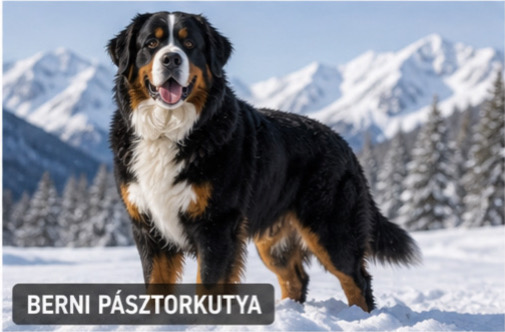
A nagy Berni Pásztorkutya Svájc havas városából, Bernből, a svájci Alpok közeléből származik. A Berni Pásztorkutya a gazdálkodók munkáját segítette, szekereket húzott, valamint haszonállatokat hajtott ki a mezőkre és a piacokra, illetve házőrzőkként is szolgáltak. A fajta a masztiff típusú kutyákból származik, melyek 2000 évvel ezelőtt a Római seregekkel érkeztek Svájcba.
Chow-Chow:
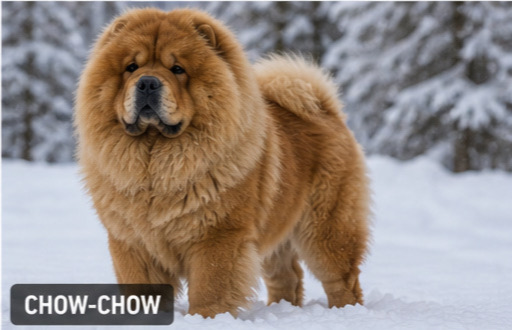
A méltóságteljes chow-chow olyan, mint egy oroszlán és egy medve keveréke. Akár a medvéknek, a chow-chow-knak is 44 foguk van, míg a többi fajta kutyának csak 42. Egyik legismertebb jellegzetességük a kékes-lilás nyelvük, amely a kínaiak szerint segített elijeszteni a gonosz szellemeket. Dupla szőrzettel rendelkeznek, mely télen fűt, nyáron hűt. Évszakhoz kötve vedlenek, ezért rendszeres fésülést, szőrzetápolást igényelnek. A fajta Kína hideg északi régióiból származik és univerzális kutyaként használták, többek között vadászatra, terelésre, szekerek húzására és házőrzésre is képes volt. Európában való megjelenése az 1700-as évek végére tehető. További információk a chow-chow fajtáról megtekinthetők>>.
Alaszkai Malamut:
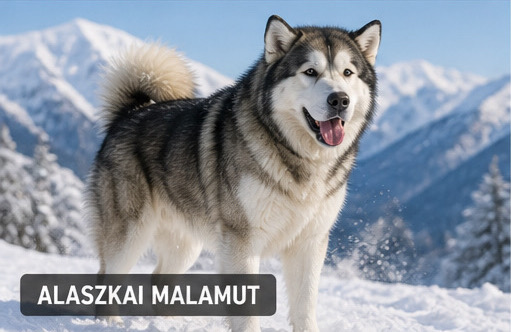
Nevét az ősi Mahlemutról kapta, ami egy Inuit törzs Alaszkában. Az Alaszkai Malamutot kifejezetten a zord éghajlaton leginkább használható szánhúzásra tenyésztették ki. A fajta valószínűleg a legrégebbi és egyértelműen a legnagyobb a sarkvidéki szánhúzó kutyák közül.
Nagy Pireneusi Hegyikutya:
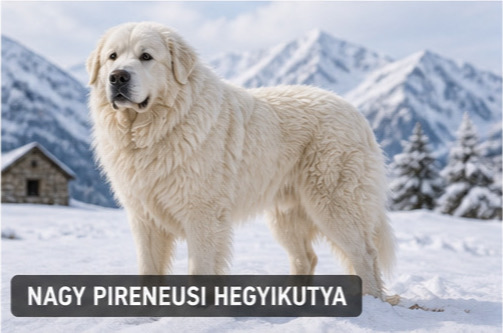
A Francia és a Spanyol Pireneusok hegyei között őshonos a hófehér Nagy Pireneusi. Ez a hosszú családfával rendelkező, nyájat őrző fajta erős és bátor. Az állatállomány terelése helyett feladata, hogy a farkasoktól és más ragadozóktól megvédje azokat. Nem csoda, hogy a tömött és dús bundájú Nagy Pireneusi ennyire szeret a téli időjárásban hűsölni.
Szent Bernáthegyi:
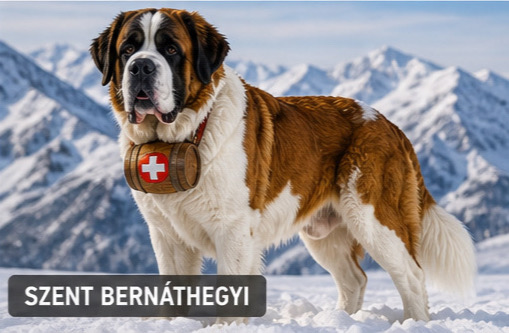
Ha hosszú utazás tervezel a havas hegyekbe, biztos lehetsz benne, hogy találkozol legalább egy Szent Bernáthegyivel. Ezt az óriás fajtát az 1700-as évek közepén a svájci szerzetesek használták a „Hospice Du Grand Saint Bernard” hegyi lejtőn, hogy a havas Alpokban segítsen megtalálni az elveszett utazókat. Minden idők legnagyobb hírű Szent Bernáthegyi kutyája Barry volt, aki 1800 és 1812 között több mint 40 eltűnt embert talált meg a svájci Alpokban.
Kérlek, oszd meg ezt a bejegyzést barátaiddal és más kutyabarátokkal is, mert számukra is hasznos lehet! Köszönjük!
.
További hasznos és értékes cikkek a kutyák szerelmeseinek a szerző hivatalos honlapján tekinthetők meg.
Keresd Vámosi Ildikó kutyás cikkíró, szerző hivatalos honlapját:
Http://ildikovamosi.hu/
🙂 Köszönöm, ha megtisztelsz a látogatásoddal! 🙂