„A kutyák igazából embernek képzelik magukat, valószínűleg egy gyereknek.”
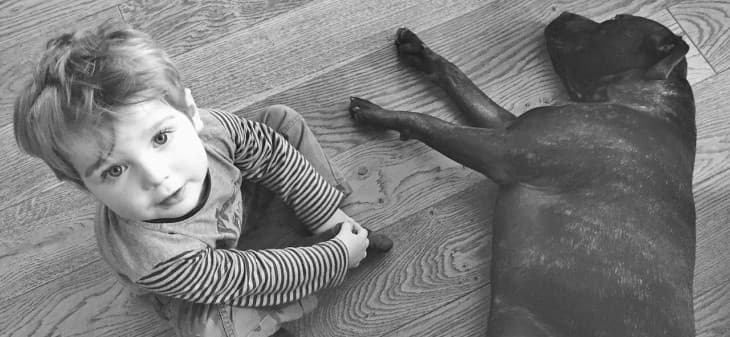
A világszerte elismert etológus kutatónk, Csányi Vilmos idézett gondolatából következtethetünk, miért is értik meg annyira jól egymást a kutyák és a gyermekek. Sokszor mondjuk, hogy a kutya az ember leghűségesebb és legjobb barátja, de talán helyesebb azt mondani, hogy a kutya a gyermek legjobb barátja (természetesen, ha mindkettő megfelelően van nevelve).
Sokunkat kötnek kedves gyermekkori emlékek a család kutyájához vagy macskájához (ha szüleid a kisállatok szerelmesei, vagy azok voltak, akkor bizonyára mindkettőhöz), akikkel együtt nőttünk fel. A kutyák átlagosan 10-15 évig élnek és egész életükben szeretni fognak minket, ha száz évig élnének, száz évig szeretnének. Ha életük ezer évig tartana, ezer évig lennénk barátok. Minden körülmények között számíthatunk rájuk, mert a kutya az egyetlen olyan élőlény, mely bármit is csinálunk, az örökkévalóságig szeretni fog.
Egy tavaly készült országos felmérés eredményéből kiderült, hogy Magyarországon a háztartások több mint felében tartanak valamilyen kisállatot. A macskák a legnépszerűbb házi kedvencek, rögtön utánuk pár százalékkal lemaradva a kutyák következnek. Azon szerencsések, akik kutyákkal együtt nőttek fel, igazán fantasztikus emlékeket őrizhetnek gyermekkorukból a legjobb barátjukkal töltött időkről. Játék az udvaron, együtt alvás, lustálkodás az ágyban, párnák között, készülődés az első óvodai, majd iskolai jelmezes farsangra, természetesen együtt a kutyával – nehéz olyan gyermekkori pillanatra találni, amikor szeretett állatbarátunk nem volt a közelünkben.
Ha jelenleg még nincs kutyád, de hamarosan szeretnél egyet a családodba fogadni, biztos lehetsz benne, hogy fantasztikus hatással lesz minden családtagodra, de a gyermeked életére főképpen. Személyes véleményem, hogy minden szülőnek vagy leendő szülőnek tudnia kell – akkor is, ha még jelenleg nincs gyermeke – azokról a pozitív hatásokról, melyeket a kutyák gyakorolnak a gyermekekre.
Az utrechti Egyetem kutatópszichológusai, Nienke Endenburg és Ben Baarda által végzett tudományos kutatások gyűjteményében körvonalazódott, hogy a családi kutya pozitívan hat a gyermek érzelmi intelligenciájára. Más kutatások azt mutatják, hogy a gyermek egészségére szintén pozitívan hatnak a háziállatok. További kutatási eredmények igazolják, hogy azon gyermekeknél, akik beszélnek is kedvenceikhez, azáltal, hogy kedvesen dicsérik vagy parancsokat adnak nekik, vagy csak úgy beszélnek hozzájuk, javulnak a kognitív képességek. Simogatni egy kutyát bizonyítottan stressz oldó hatást vált ki mindkét félből, mivel csökkenti a kortizol szintet mind a gyermek, mind a kutya szervezetében. Szintén kutatásokkal igazolták, hogy a gyermekek stressz-szintje csökken, amikor hangosan olvasnak/felolvasnak a kutyának. Egy háziállattal játszani pedig már magában is boldogság, emeli a szervezetben a szerotonin és a dopamin szintet, mely megnyugtatja az elmét és jó hangulatot teremt.
Nézzük most át részletesen, milyen további pozitív hatásai vannak a kutya és a gyermek harmonikus kapcsolatának.
Gyermekek és kutyák: 10 csodálatos hatás
1. A gyermekek egy önzetlenül szerető társ mellett nőhetnek fel

Egy munkában eltöltött fárasztó nap után, amikor hazaérsz, a kutyák boldogok, hogy láthatnak és mindig szeretettel közelednek feléd. Szeretetük önzetlen, feltétel nélküli. A kutyák ideális bizalmasok és mindenre hajlandó játszótársak, ami azt jelenti, a gyermeknek nem is lehetne jobb barátja, mint a család kutyája. Ki ne szeretne egy ilyen baráttal az oldalán felnőni?
2. Azok a gyermekek, akik háziállatokkal az oldalukon nőnek fel, felelősséget tanulnak
Miután a kutya mindennapi elkötelezettséget és gondozást igényel, nagyszerű módja annak, hogy a gyermek megtanulja, fontos a megbízhatóság és a felelősség. Fontos tényező: ne hagyjuk, hogy a gyermek elfelejtse – a szerető állattárs igényeit figyelembe véve – a kutya körüli napi teendőket elvégezni.
Ha gyermekünknél ellenállást vagy lustaságot tapasztalunk, emlékeztessük rá, hogy a kutyáról való gondoskodás nem csak felelősség, de megtiszteltetés is egyben, amely sok munkát és türelmet igényel. Emlékeztessük, hogy nem lesz méltó a kutya barátságára, ha nem végzi el a rábízott feladatokat.
3. A kutya segítségével a gyermekek elsajátítják a szociális készségeket
Aki kutya mellett nő fel, megtanul olyan szociális készségeket, mint az impulzus kontroll, mellyel együtt az önbecsülés is nő. Amely gyermek, kutya mellett nő fel, sokkal barátságosabb lesz, elvégre, ha sétálni viszi a szeretett kutyát, nagyon valószínű, hogy más emberekkel és kutyákkal is fog találkozni. Néhány pillanat erejéig megosztani a kutyát másokkal, nagylelkűségre és türelemre tanít.
4. A családi kedvenc erősíti a testvérek közötti köteléket
Egy kutya a ház körül sokszor olyan, mintha egy másik gyermek lenne. Ez egyben – a közös szereteten keresztül – segíthet a testvéreknek, a fivéreknek és a nővéreknek, hogy közelebb kerülhessenek egymáshoz és egyben csökkenti a testvérek egymás iránti féltékenységét és a rivalizálását is. Miközben megosztják egymással a kutyasétáltatást és a kutyával való játékot az udvaron, az utána való takarítási folyamatokat, mindez a testvéreket sokkal közelebb hozza egymáshoz.
5. Kisbabák, akik kutyák mellett élnek, kevesebbet betegek
Egy 2012-ben – Finnországban, a Kuopio-i Egyetem kórházában végzett vizsgálatok eredményeiből – készült tanulmány rámutat, hogy azon csecsemőknél, akik életük első évet kutyák mellett töltötték, kevésbé valószínűek a légúti fertőzések, mint azoknál a kisbabáknál, akiknek családjában nincs kutya. A kutatók az eredmények alapján azt gondolták, hogy a kutyák valahogyan szennyeződéseket (enyhe mennyiségű baktériumokkal) hoznak a házba, ezzel növelve a csecsemők immunrendszerének működését, hogy felnőve a már megerősödött szervezet ellent álljon a betegségeknek.
6. Azok a gyermekek, akik kutyák mellett nevelkednek, ritkábban szenvednek allergiától és asztmától
Az első és legfontosabb, hogy azok a gyermekek, akik háziállatok (kutyák és macskák) mellett nőnek fel, sokkal ritkábban szenvednek allergiától és asztmától. Amerikai tudósok kutatási eredményei szerint szerte a világban azon gyermekeknél, akik kutyákkal nőnek fel 50%-al kisebb valószínűséggel alakul ki az asztma vagy az allergia, mint azon gyermekeknél, akik kutya nélkül nőnek fel. Ez azért van, mert a gyermek, a kutya környezetében sokkal több allergénnek van kitéve, és ez által sokkal erősebb immunrendszere fog kialakulni.
7. A kutyák csodákra képesek az autista gyermekeknél
A montreali Egyetem kutatási eredményeire alapozott tanulmányából kiderül, hogy az autista gyermekeknél a stressz hormonok szintje drámaian csökken, ha egy speciálisan képzett segítő kutyával élnek együtt. Az elmúlt években sok ország tudósai egymástól függetlenül végeztek kutatásokat ebben a témában és bár még mindig vannak nyitott kérdések, de egy dologban mindannyian egyetértenek: hogy az „állati terápia” vagyis egy autista gyermeknek egy saját speciálisan képzett segítő kutya mellett élni hihetetlen módon tud segíteni. Tapasztalatok szerint, az autista gyermekeknél, illetve más spektrum zavarokkal vagy ADHD (figyelemzavaros hiperaktivitás) szindrómával küzdő gyermekeknél vérnyomás csökkenést tapasztalnak, valamint jobb kognitív és kommunikációs készséget, ha a gyermek képes részt venni a terápiás kutya programokban.
8. A kutyák segítenek a fiatal olvasóknak a bizalom kiépítésében
Vannak gyermekek, akik más emberek társaságában sokszor feszélyezve olvasnak hangosan. Azáltal, hogy kutyájuk társaságában vannak, nem szoronganak, mert valójában a szeretett kutyának olvasnak. Mivel a kutya boldog lesz, ha a gyermek mellett lehet, a gyermeknél az ebből eredő érzés, a bizalom csodákat fog művelni az olvasási képességével. Azon gyermekek, akik a saját kutyájuknak olvasnak, felfedezik az olvasás örömét és sikerként élik meg azt. Ilyen eseteknél a kutatók azt feltételezik, ez lehet az eredménye, hogy a kutya jelenlétében csökken a stressz.
9. A gyermekek több időt töltenek a szabadban, többet mozognak, mely hosszú távon egészségesebb
Már kisgyermekkortól kezdődően a gyermekek gyakrabban tartózkodnak a lakásban, mint kellene, de szükségük lenne a friss levegőre és vele együtt a mozgásra. A kutyával való foglalkozás nagyszerű lehetőség a szabad levegőn eltöltött hasznos időtöltésre. A legtöbb kutya szeret a szabadban sétálni, játszani, új trükköket tanulni vagy labdázni az udvaron, főképp, ha szeretett kis gazdijával együtt teheti azt meg. Mindezen aktív tevékenységek magukkal hozzák gyermekeinknél az egészségesebb életmódot.
10. A gyermekek a kutyákkal együtt még aranyosabbak
A fentebb felsorolt pontokban mind a nagy előnyöket mutattuk meg, de nem hagyhatjuk figyelmen kívül, hogy a gyermek és a kutya milyen aranyosak együtt. Készülj fel rá, hogy gyermeked és a kutyád együtt sok-sok móka, kedves mosolyok és jóízű nevetés állandó forrása lesz.
Néhány utolsó gondolat
Igazán csodálatos, hogy gyermekeinkre milyen sok pozitív hatásuk van ezeknek az imádnivaló lényeknek, akiket úgy nevezünk, hogy kutyák.
Ha nem vagy biztos abban, milyen típusú kutyát válassz, olvasd el a gyermekek számára ajánlott kutyafajtákról szóló című cikkünk I. és II. részét, melyben bemutatjuk azon fajtákat, akik nagyszerű társai lehetnek a gyermekeinknek. Egyes fajták kisebbek, mások nagyobbak, számításba kell venni a temperamentumot és egyéb fontos jellemzőket is, mielőtt úgy döntesz, hogy gyermeked állattársául kutyát választasz.
Kérlek, oszd meg ezt a cikket a barátaiddal, gyermeket és kutyát is nevelő családokkal és más kutyabarátokkal is, mert számukra is hasznos lehet! Köszönjük!
.
További hasznos és értékes cikkek a kutyák szerelmeseinek a szerző hivatalos honlapján tekinthetők meg.
Keresd Vámosi Ildikó kutyás cikkíró, szerző hivatalos honlapját:
Http://ildikovamosi.hu/
🙂 Köszönöm, ha megtisztelsz a látogatásoddal! 🙂